

B3 research notes · Digital twins
A digital twin becomes useful when measurements, models and operating knowledge support a clear engineering question. For a building operator, the practical value lies in understanding where a problem may occur, which evidence supports the diagnosis and what should be checked next.
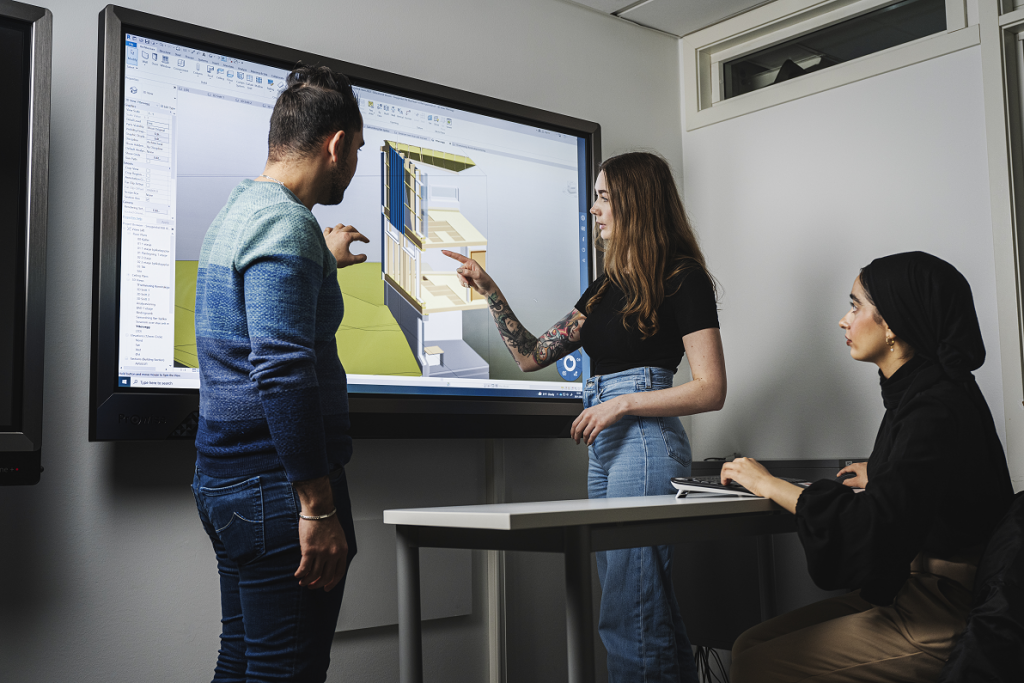
Connect measurements with context
BIM and digital twin interfaces can connect an operational signal with a component, location or operating condition. This context makes diagnostic information easier to discuss with the people responsible for maintaining a building.
The study by Haneen Rebhi Yousef Zabadi, Fitsum Asrat Zemedkun, Haidar Hosamo and Dimitrios Kraniotis investigates the integration of digital twins and machine learning with APAR method rules for predictive maintenance in non-residential buildings.
Keep the decision chain visible
Data quality, operating conditions and the interpretation of model outputs remain central. A useful workflow explains which measurements inform a diagnosis and what additional engineering checks are needed before a maintenance intervention.
The work also illustrates how a master’s project can develop into a research publication and contribute to a continuing building-performance research agenda.