The Visual Monitor of Social Resilience
A participatory installation on the future of education
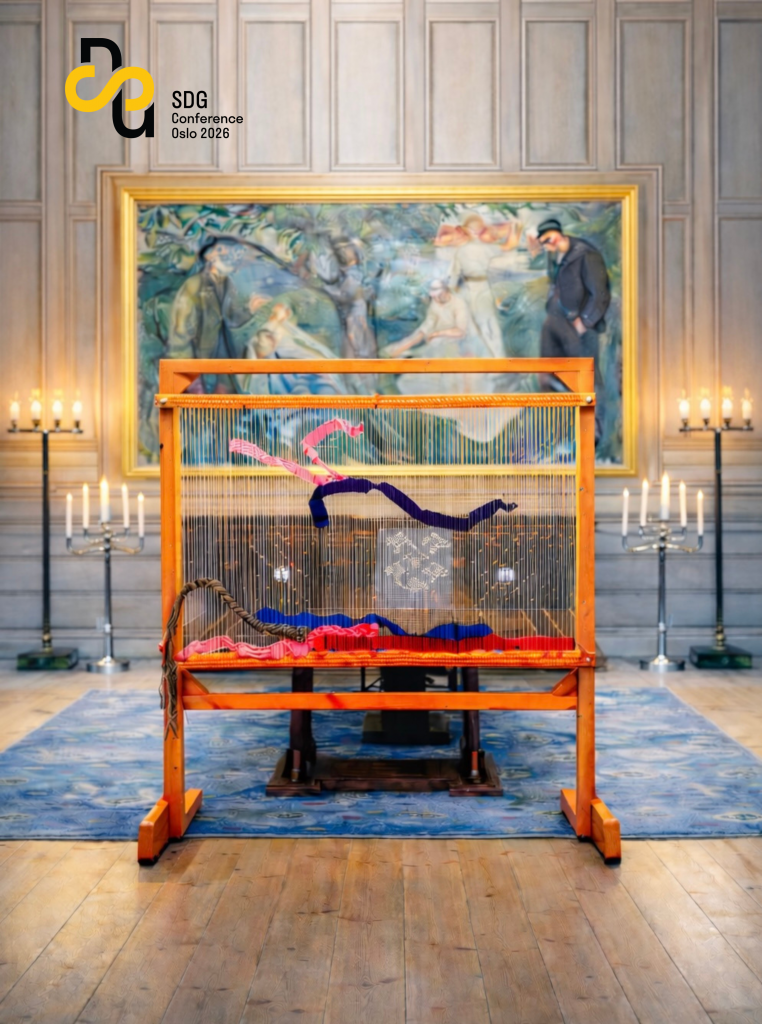
Day 1 location: Oslo City Hall (Munchrommet)
Day 2 location: Deichman Bjørvika
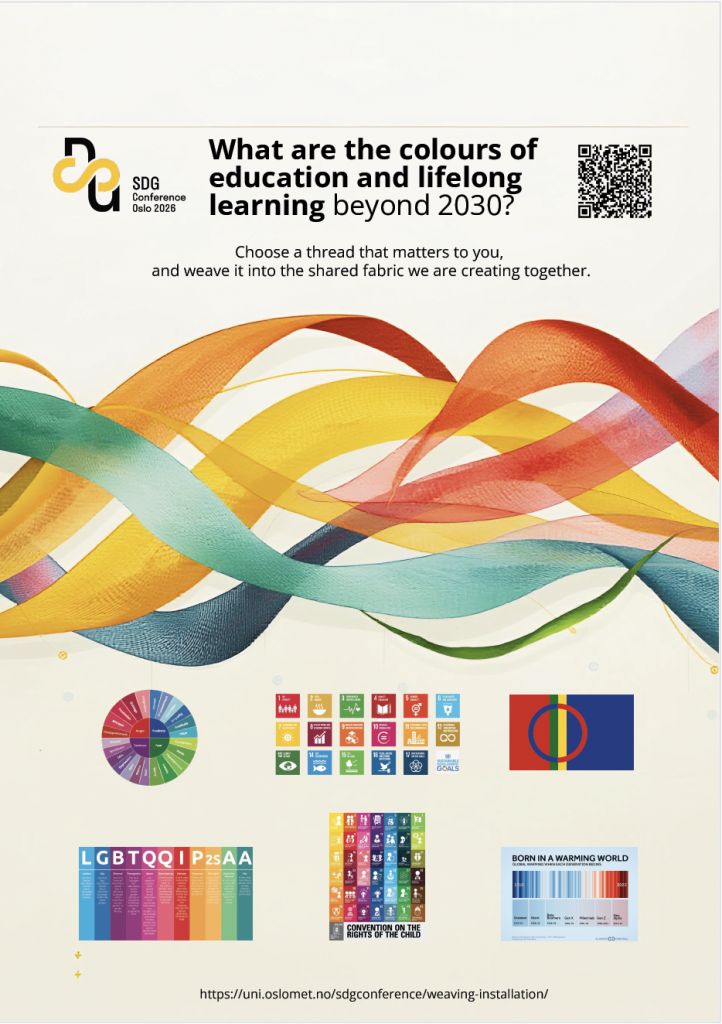
In a fragmented world, we invite you to see education not as an isolated goal (SDG 4), but as a critical infrastructure that connects health, climate stability, justice, and fundamental human rights. The Weaving Frame project poses a key question for the 2030 horizon and beyond:
What are the colours of education and lifelong learning beyond 2030?
The installation is built on a clear distinction between structure and content, serving as a metaphor for the relationship between governance and society:
- THE WARP (Fixed Vertical Threads)
As you approach the frame, you will notice the vertical threads: rigid, tense, and already in place. These threads represent the State and its Institutions. They form the invisible yet essential skeleton of society — laws, international treaties, and public policies that carry collective weight. Without this structure, the fabric would collapse. - THE WEFT (Horizontal, Mobile Threads)
The coloured threads in the baskets represent the human variable: citizens, emotions, identities, and the crises people live through. Your role, together with that of other participants, is to weave these lived realities through the rigid threads of institutional structures.
Each thread is grounded in one of six global monitoring systems. When a participant selects a thread, they introduce a statistical or
psychological data point into the structure of the state:
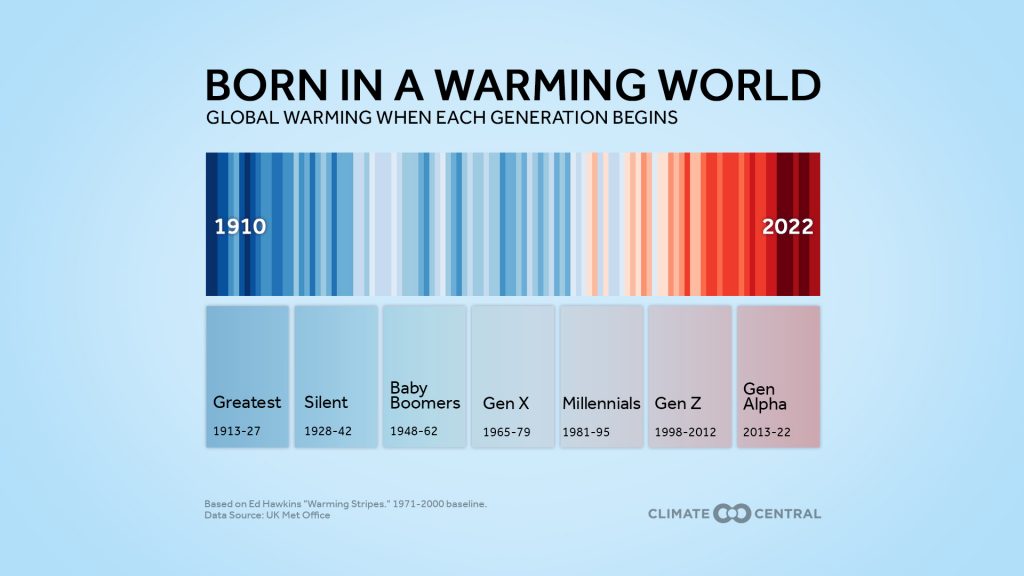
- Climate Indicators
Threads ranging from blue to deep red and black are based on Professor Ed Hawkins’ Warming Stripes and IPCC projections for 2050. A dark red or black thread is not decorative, it is a warning signal, pointing to extreme warming scenarios that current policies are meant to prevent.
- Children’s Rights
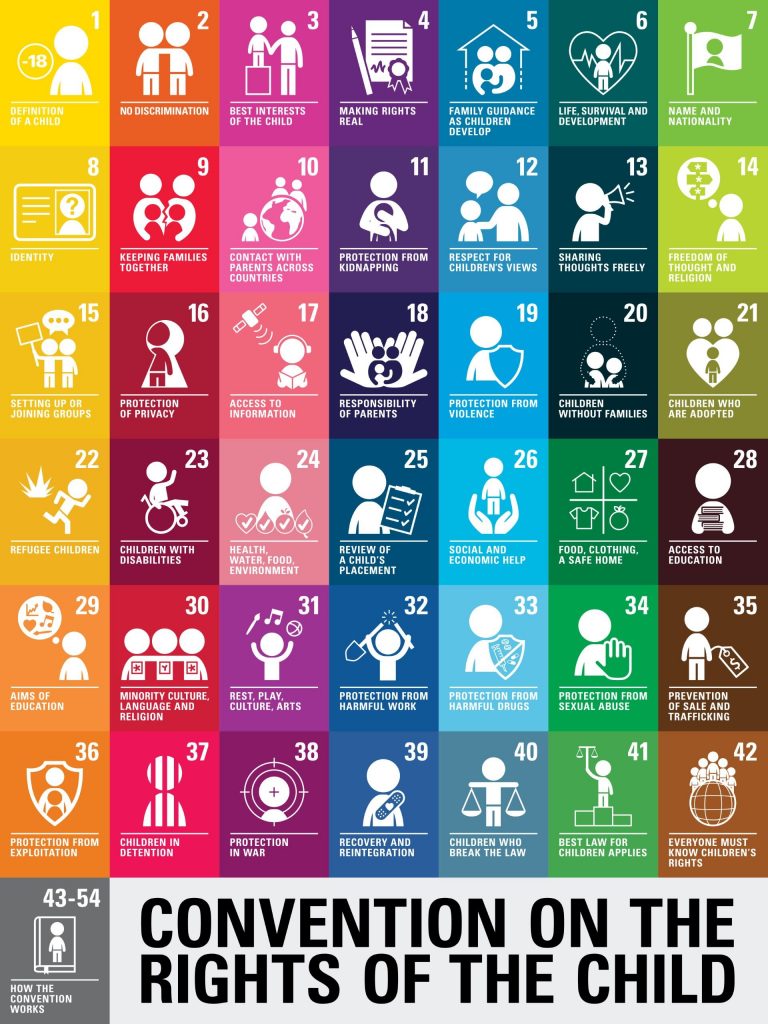
Colours and icons drawn from the UN Convention on the Rights of the Child. These threads represent the legal obligation of states to protect the most vulnerable voices, ensuring access to education, protection from violence, and safe environments.
- LGBTQ+ Spectrum & Identity
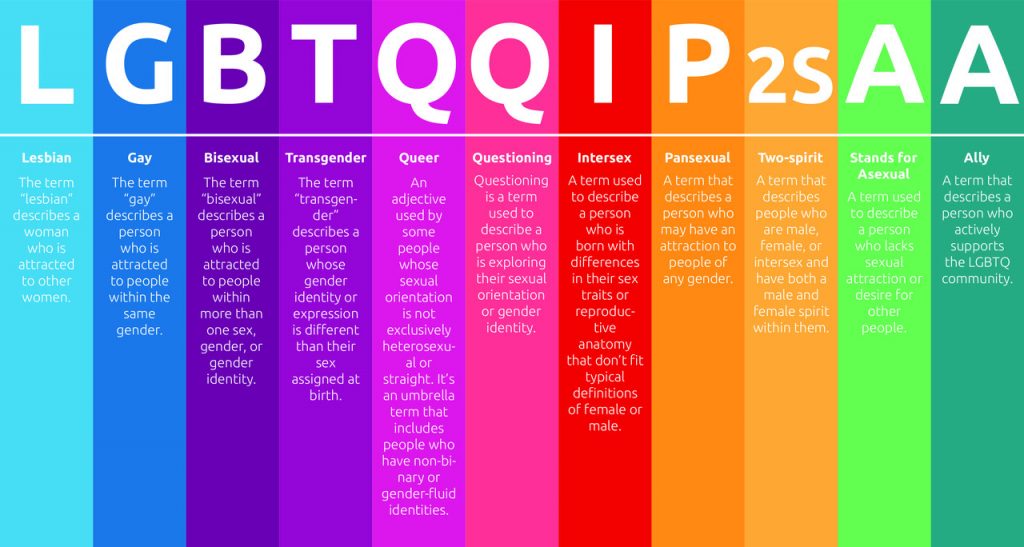
Rainbow colours, together with newer stripes representing trans visibility and racial inclusion. Their presence in the weave reflects levels of social cohesion and calls for anti-discrimination policies that leave no one behind.
- Sustainable Development Goals (SDGs)
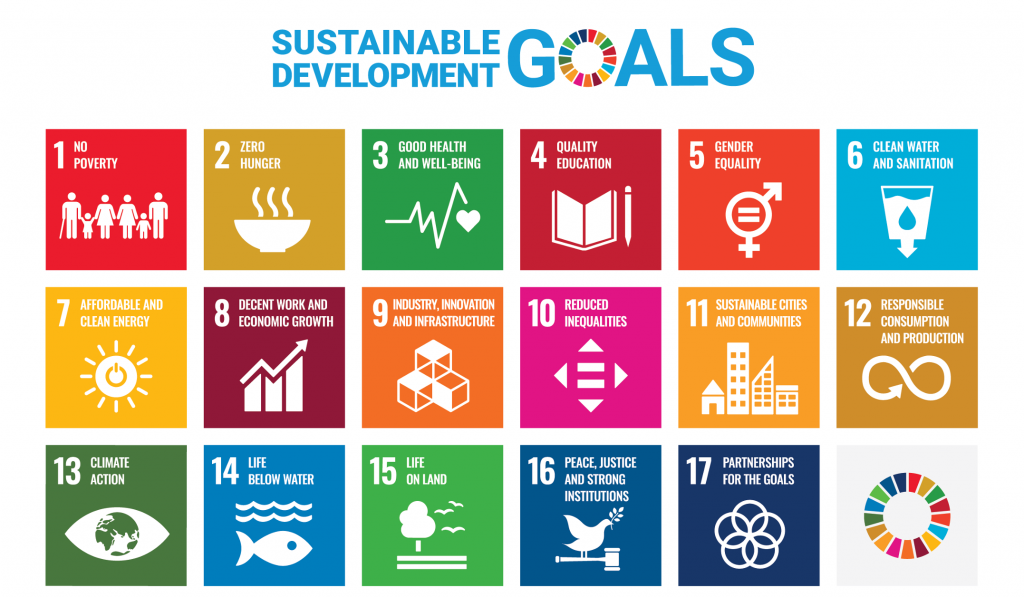
The 17 official colours of the 2030 Agenda. The SDGs are a shared international framework used by governments, institutions, and organisations to plan, monitor, and evaluate sustainable development policies.
- Sámi and Indigenous Communities
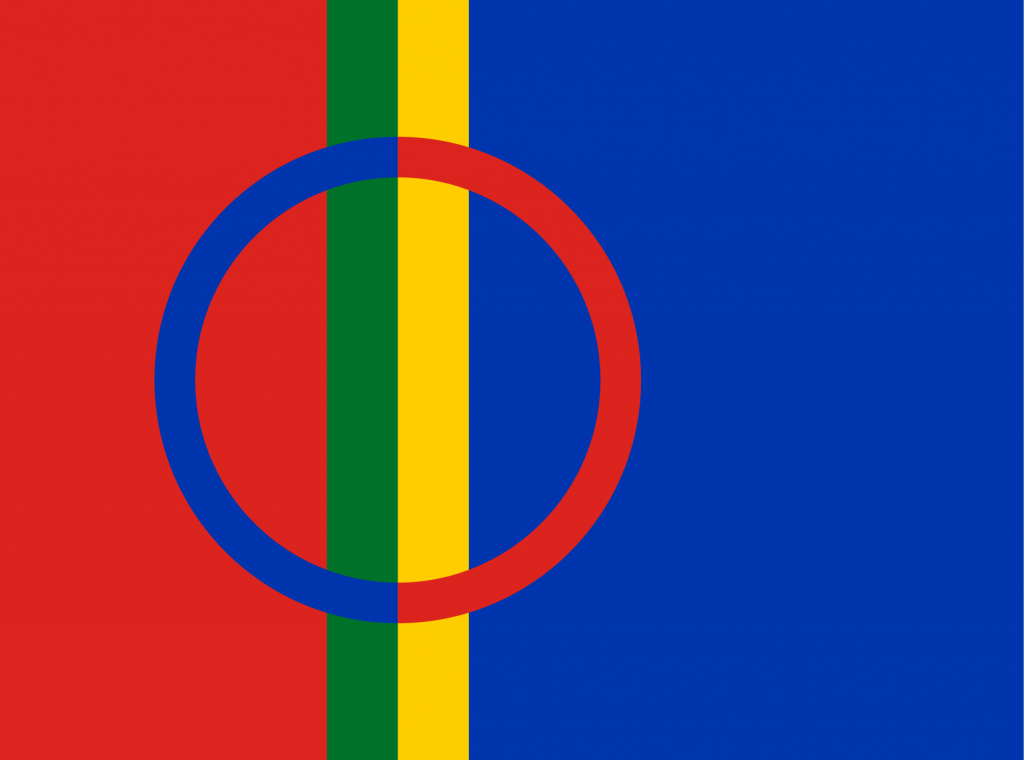
This category represents holders of historical rights. Within the project, these threads symbolise ancestral knowledge of the environment and territorial rights. Their presence affirms that no valid educational or political framework can ignore the voices of those who have stewarded natural resources for generations.
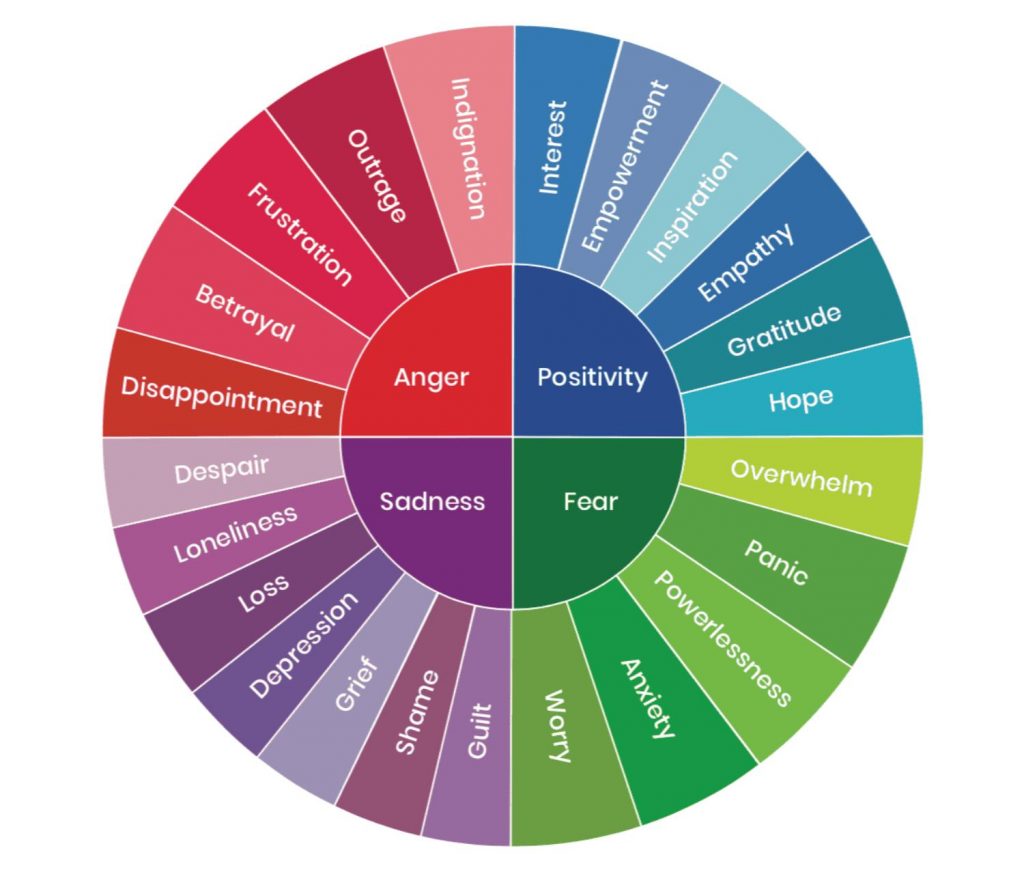
- The Climate Emotions Wheel
A psychological spectrum (green–anxiety, red–anger, blue–hope). These threads represent qualitative data on population mental health. Ignoring eco-anxiety leads to civic disengagement; acknowledging it helps build resilience.
We invite you to take part
- Observe the systems presented and select the thread that matters most to you today.
- Weave it into the structure, alongside threads added by students and activists.
- Reflect: Is the institutional structure (the warp) flexible enough to support the complexity of this emerging social fabric?