
Oslo City Hall Monday February 2

Ammal Ahmed Haj Mohamed (Master of Ceremonies) works at PEN Norway, where she leads the dialogue initiative aimed at young people in Norway and is responsible for the organization’s international work on amplifying young voices. She previously served as an advisor at the Directorate of Integration and Diversity (IMDi), and led the diversity, inclusion, and belonging initiative at Sentralen cultural arena, as well as leader of Norwegian People’s Aid Solidarity Youth.
She is a member of the Norwegian UNESCO Commission and currently serves on the boards of Norwegian People’s Aid, The Future in Our Hands, the Norwegian Chamber Orchestra, and JM Norway.
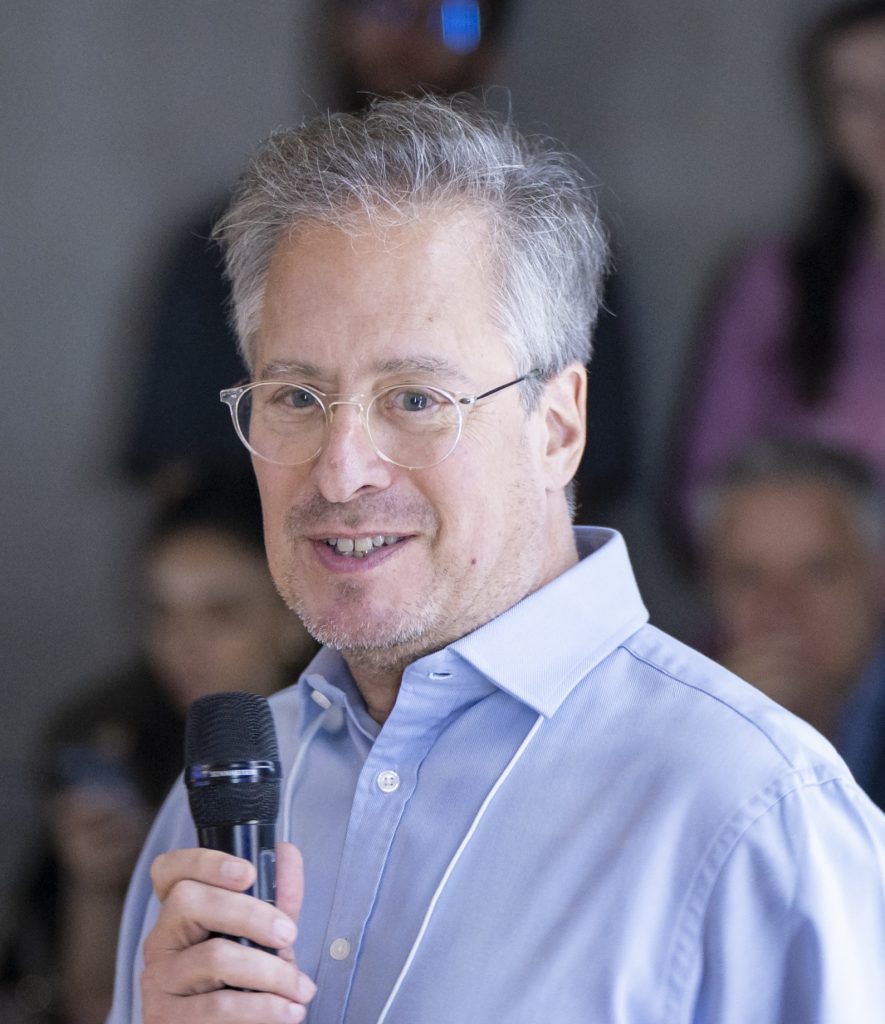
Riel Miller is Senior Fellow at the University of Witwatersrand and NIFU, and a leading authority on Futures Literacy and strategic foresight. He has previously served as Head of Foresight at UNESCO and led the Futures Literacy team in the Social and Human Sciences Sector. Miller holds a PhD in Economics from The New School for Social Research (1987). His career spans senior roles at the OECD, the Ontario Government, and as founder of the foresight consultancy xperidox. He has been involved in designing and implementing hundreds of participatory foresight projects worldwide since the late 1980s. His research and practice focus on anticipation systems, collective intelligence, and the transformation of governance and education. Miller has held advisory and teaching positions at universities in Europe, Africa, and North America.

Thais Alfaro Sandoval is Deputy Leader of the Norwegian Students’ and Academics’ International Assistance Fund (SAIH), a solidarity organization by and for students and academics. She was active in the student movement in Nicaragua, where she focused on university autonomy, and democratic governance. Thais came to Norway through the Students at Risk programme and holds a Master’s degree in Global Development Studies from the Norwegian University of Life Sciences (NMBU). As an exiled human rights defender, she has been engaged in student-led resistance efforts, advocating for academic freedom and the right to education in repressive contexts.
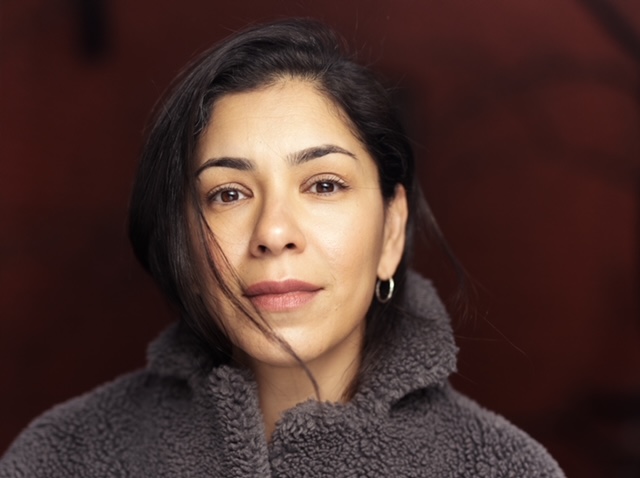
Ayesha Wolasmal is an author and multidisciplinary practitioner with a background in diplomacy, development, journalism and community engagement. She has worked with government and non-governmental organizations, including the Red Cross and the United Nations, and currently serves as an independent consultant focusing on health diplomacy and access. Photo: Agnete Brun

Karen Mundy is a Professor of Educational Leadership and Policy at the Ontario Institute for Studies in Education, University of Toronto. Professor Mundy’s award-winning research is focused on the work of international organizations and transnational actors in education, and on educational reform and educational leadership in the global south. She has served as President of the Comparative Education Society (2014-2015) and as Chief Technical Officer of the Global Partnership for Education (2014-2018). She was a member of the UNESCO International Commission on the Futures of Education, and contributed to the commission’s report “Re-imagining our futures together: Towards a new social contract for education”. Her early career was spent as a teacher, researcher and consultant in East and Southern Africa.
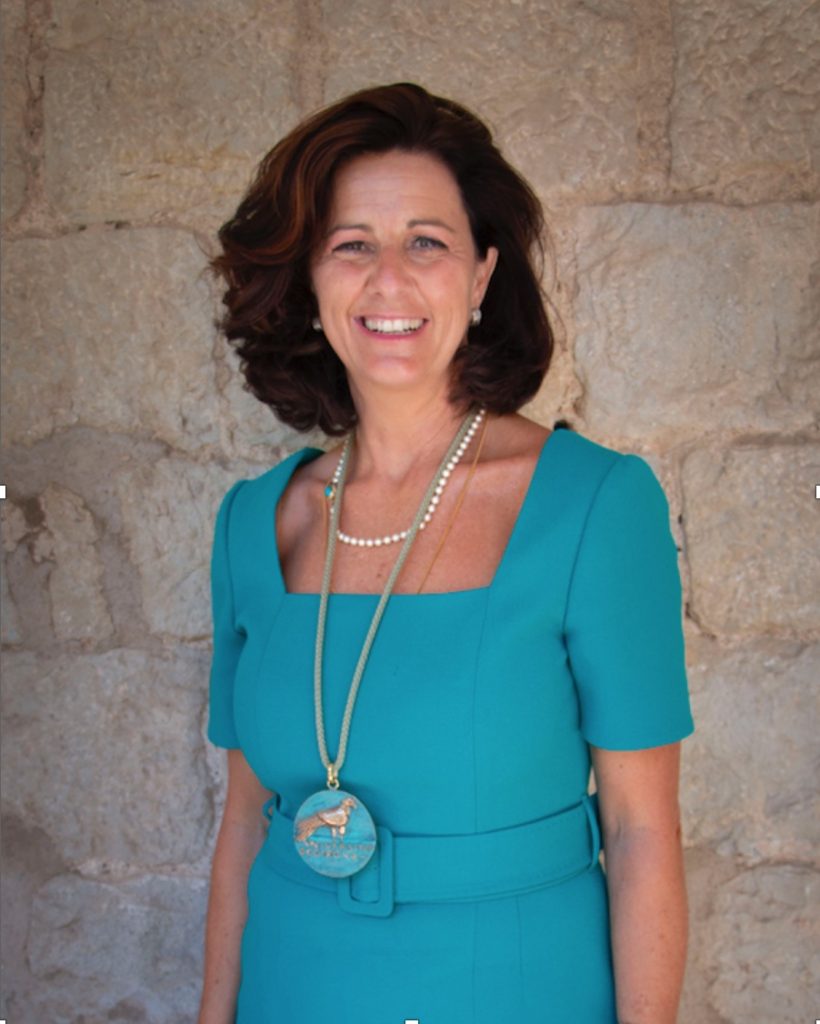
Professor Daniella Tilbury is a globally recognised higher-education leader, policy expert, and changemaker whose career has focused on enabling systemic transformation across universities and higher-education systems worldwide. Drawing on extensive experience as a vice-chancellor, rector, dean, research director, and international adviser, she has led major higher-education programmes, whole-institution transformation initiatives, and evidence-based policy and research projects shaping practice across more than 40 countries. She was the inaugural Rector and CEO of the University of Gibraltar and has held senior academic leadership roles in Australia, the UK, and Hong Kong, including serving as the UK’s first Dean of Sustainability. Tilbury holds a PhD from the University of Cambridge (1993), the first globally to address sustainability in higher education. Her research and leadership have shaped policy and practice in over 40 countries, and she has chaired UN committees and led UNESCO initiatives on education for sustainable development. She currently represents the UK Government at UNECE and is an Honorary Fellow of St Catharine’s College, Cambridge. NB! Daniella Tilbury was unfortunately not able to travel to Oslo due to unforseen circumstances.
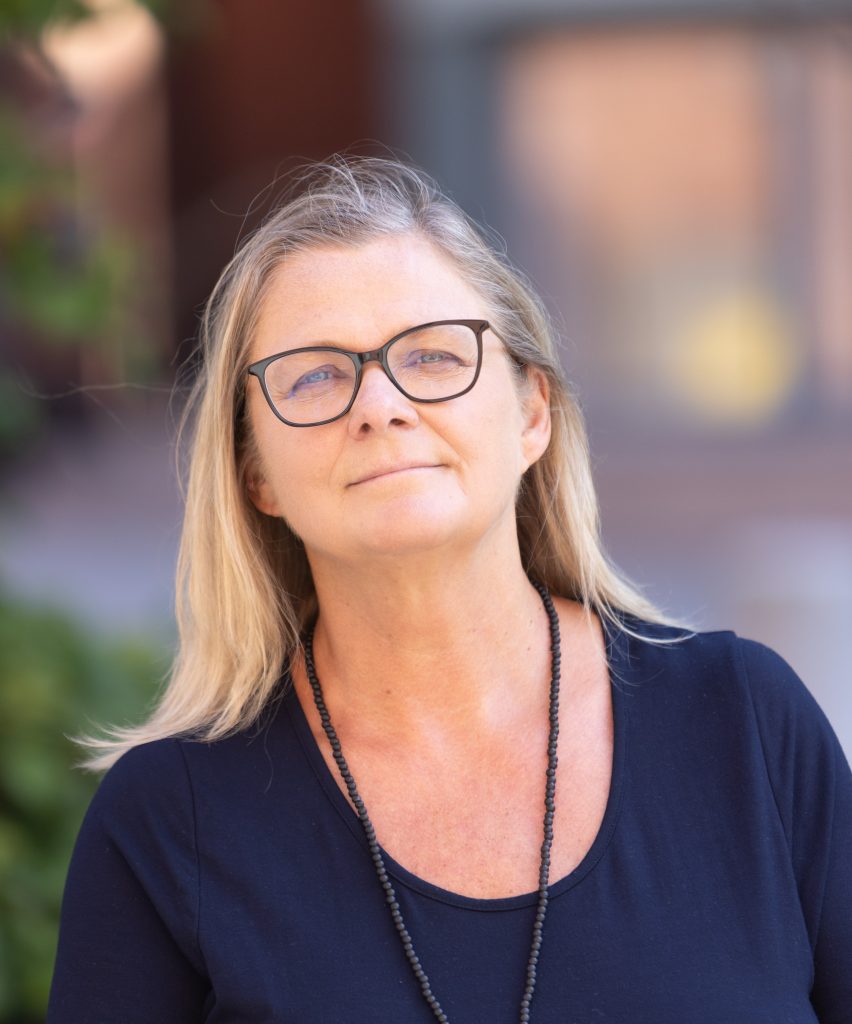
Halla B. Holmarsdottir is Professor of Comparative and International Education at Oslo Metropolitan University and President of the Comparative and International Education Society (CIES). A former Vice-Dean of Research at OsloMet’s Faculty of Education and International Studies, her work examines how education, technology, and social inclusion intersect in the everyday lives of children and young people, with emphasis on equity, democratic participation, and the policy–practice gap. She has coordinated international research projects and supported emerging scholars, using ethnographic and mixed-methods approaches to address complex educational challenges. Halla currently serves on the Horizon Europe project STRIDE – Strategies for achieving equity and inclusion in education, training and learning in democratic Europe (2023–2027) and was the Scientific Coordinator for DigiGen, a major Horizon 2020 project on technological transformations and the digital generation. Her recent publications and editorships explore digital well-being, parental mediation, and competencies for inclusive, sustainable futures.
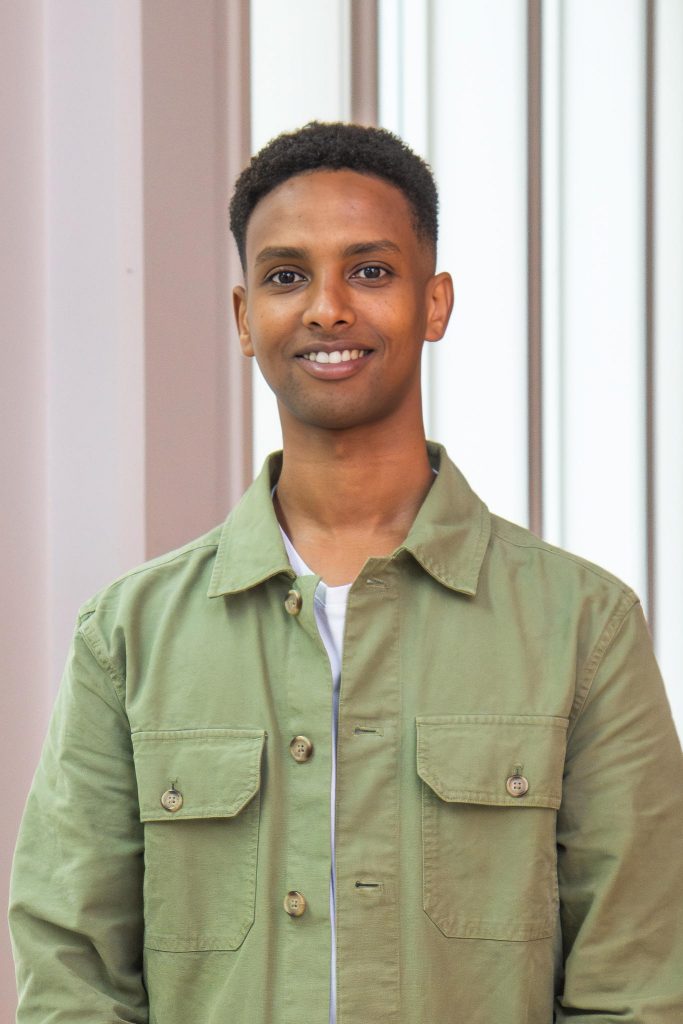
Abdinor Mahamed works within HR and organizational development at the Norwegian Olympic and Paralympic Committee and Confederation of Sports (NIF). He holds a bachelor’s degree in HR, organizational psychology and leadership, and is currently completing a master’s degree in leadership. Alongside his professional role, Abdinor has extensive experience working with young leaders through mentoring programmes, leadership training and community-based initiatives. His work is grounded in values of equity, participation and human development, with a particular interest in how organizations and local communities can contribute to sustainable social change.

Nadia Raphael Rathje has worked with education for sustainable development for many years. She was a co-founder and principal at Den Grønne Friskole in Copenhagen, a school built on the ambition to develop pedagogical and didactic approaches that support the green transition. Today, she is a researcher in the field and has completed a PhD on green school development, with a particular focus on whole-school approaches. This approach emphasizes collaboration both within and beyond the educational institution, enabling students to gain hands-on experience and a deeper understanding of sustainability.
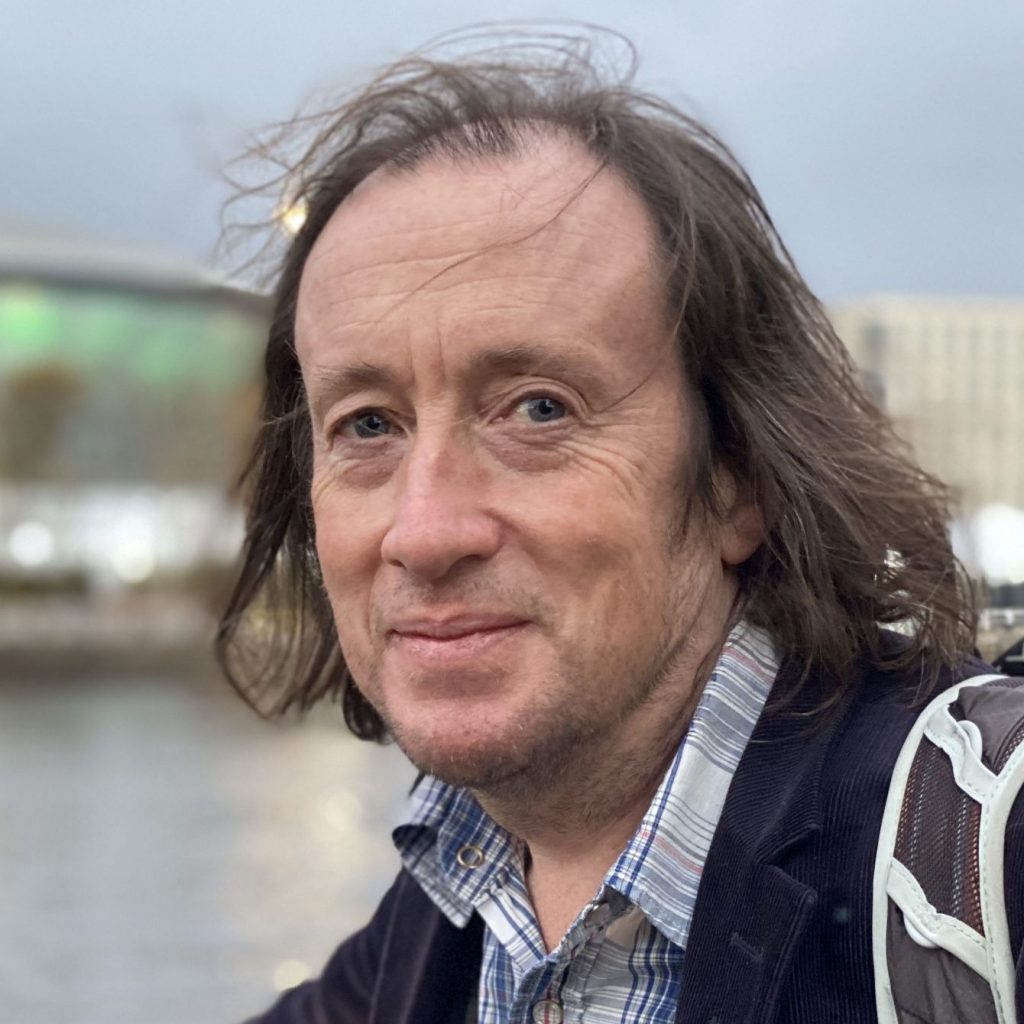
Alasdair Skelton is Professor of Geochemistry and Petrology at Stockholm University. His published works are on geology, earthquakes, volcanism, tsunamis, climate of the past and the ongoing climate crisis. He has educated tens of thousands of students at all levels from kindergarten to university, as well as a wide range of public audiences, about geology and climate. He is co-founder of the civil society organisation Researcher’s Desk. He is author of Our Time – Finding Hope in A Climate Crisis (2026). Photo: Caroline Falkman
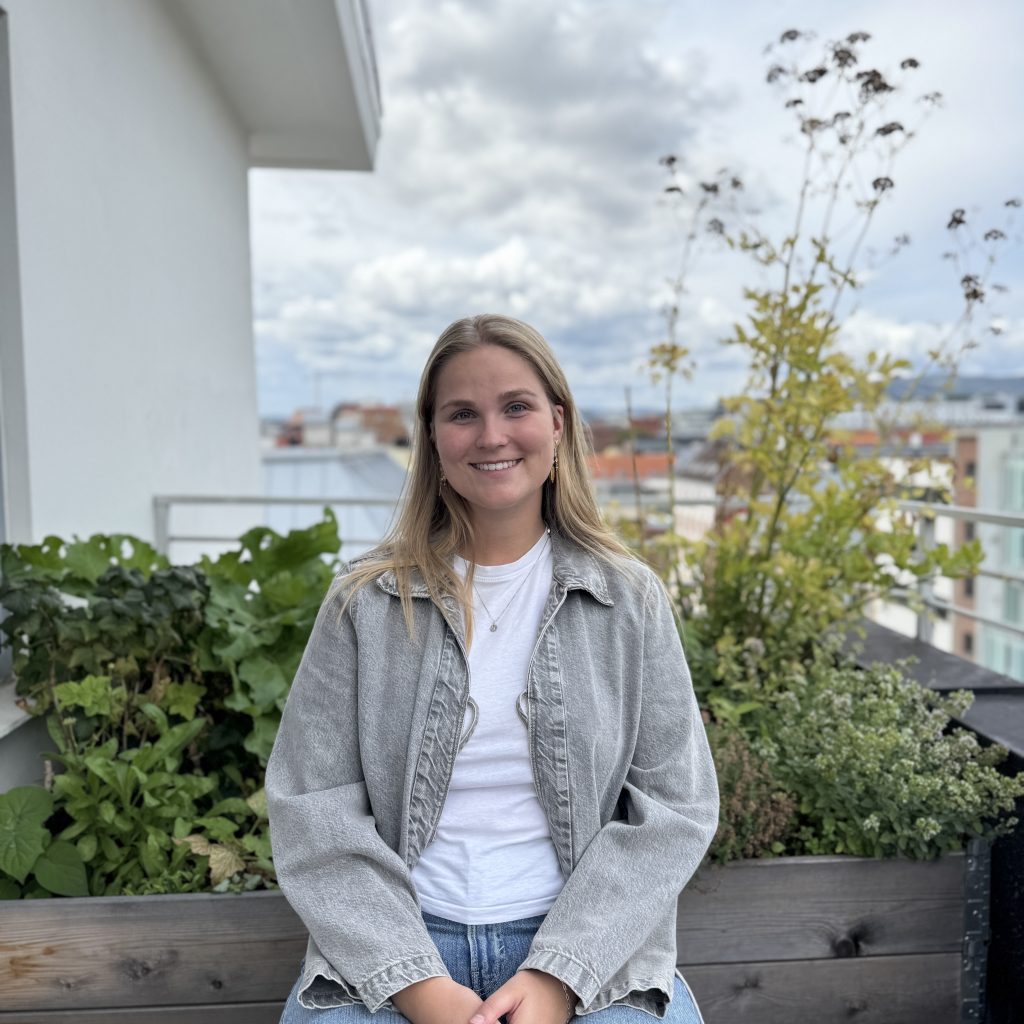
Henriette Reierson Johnstone is the President of the Norwegian Students’ and Academics’ International Assistance Fund – SAIH. Prior to this, she was the Vice President for two years. Her academic background is in international development studies, where she had a particular focus on the anti-gender movement. Her areas of interest are interconnected with SAIHs motto “Education for Liberation”, how higher education is crucial for ensuring democratic, equitable societies and the importance of challenging hegemonic ways of viewing knowledge and its production.

Noah Sobe is the Chief of the Section for Higher Education at UNESCO, where he leads initiatives aimed at promoting quality, accessible, and inclusive higher education globally. His previous research and teaching as a Professor of Modern European History at Loyola University Chicago explored the ways in which education systems evolve and interact across different cultural and historical contexts, shaping his expertise in the intersection of education, history, and culture. Dr. Sobe is also the past president of the Comparative and International Education Society (CIES), where he contributed to shaping the future of education policy and research at a global level. His academic background, combined with his leadership roles, has made Dr. Sobe a key figure in global education, with a particular focus on international collaboration, educational reform, and the emotional and cultural dimensions of schooling.

Arjen Wals is a Professor of Transformative Learning for Socio-Ecological Sustainability at Wageningen University where he also holds the UNESCO Chair of Social Learning and Sustainable Development. He obtained his PhD from the University of Michigan (1991). Wals also holds an Honorary Doctorate from the University of Gothenburg. Much of his research focusses on the development of Whole Institution Approaches to sustainability. Nationally and internationally, he has been and continues to be a persistent advocate for education, learning and capacity-building for sustainability, nature-connectedness and global citizenship in all levels of education.

Monica Rolfsen is Pro-Rector of Social Responsibility and Outreach at the Norwegian University of Science and Technology (NTNU). She has previously been Dean at the Faculty of Economics and Head of the Department of Industrial Economics and Technology Management at NTNU. Rolfsen holds a Master of Science in Engineering from NTH/NTNU (1989), and a PhD from the same institution in 1993. She has been Professor of Organization and Work Science since 2015. Her research field is particularly focused on organization and management, organizational development, Lean management and the Norwegian model. Rolfsen has been a senior researcher at SINTEF and a visiting fellow at Cornell University.
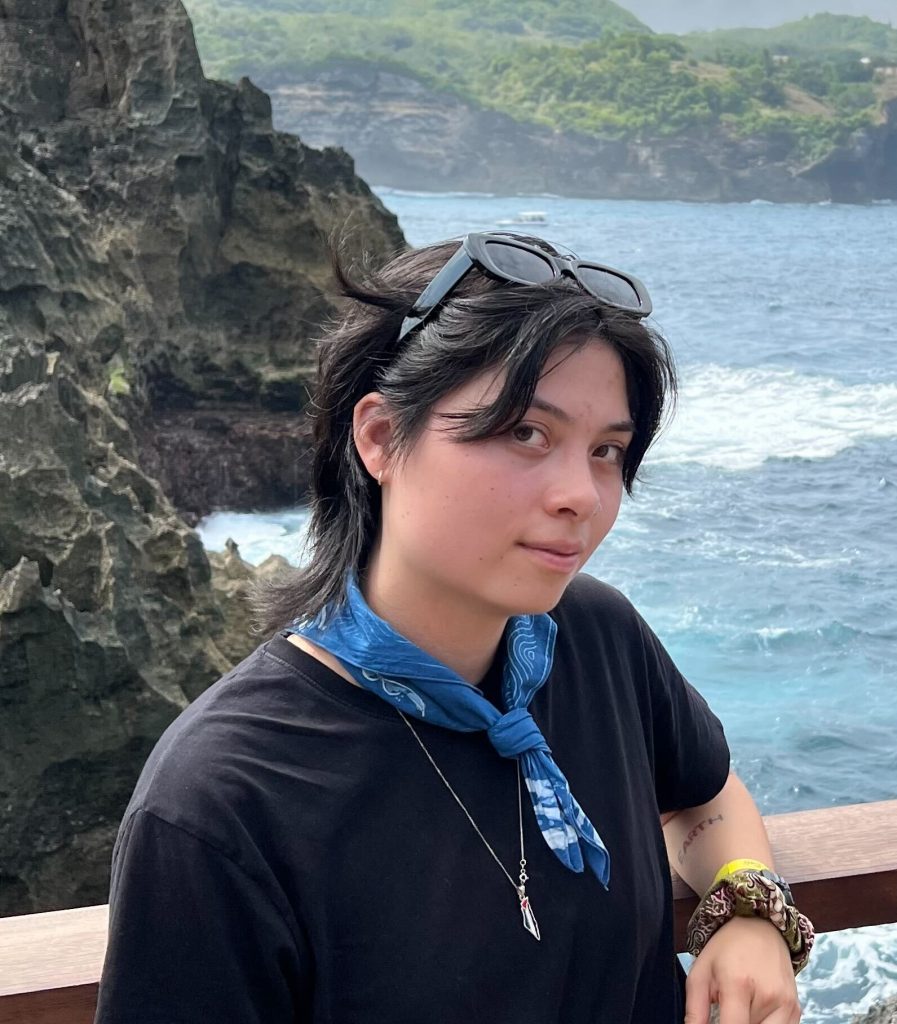
Cinta Asmara Hondsmerk is a climate justice and student organizer, facilitator and speaker. Since the age of 13, they’ve organized with both grassroots activism and NGOs to promote and educate on topics such as climate justice, equity and decoloniality. Recognized as one of 30 youth leaders by Dagens Næringsliv and D2 in 2022, they focus on the importance of inclusion within the democratic spaces of society and burn-out within the activist community. Cinta is studying the Master programme Art and Society at OsloMet to further explore the intersections of creativity, collaboration and engagement, and how this may lead to more regenerative and action-oriented movements.
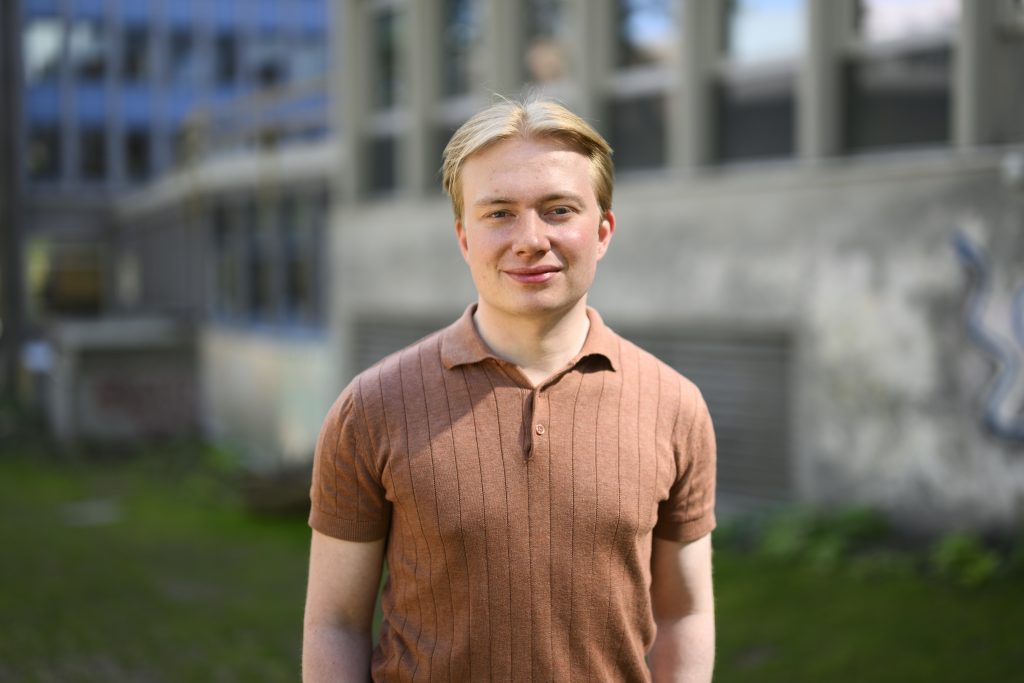
Sigve Næss Røtvold is the President of the National Union of Students in Norway, NSO. Prior to this, he was the Officer of Welfare and Equality Affairs in NSO and Officer of Academic Affairs in the Student Parliament of the University of Oslo. His academic background is a Master’s in Teacher Education at the University of Oslo, with a focus on History and German. His main area of interests are student welfare and equity in higher education, securing students’ equal right and opportunity to pursue higher education for all. Photo: Skjalg Bøhmer Vold
Deichman Bjørvika Tuesday February 3
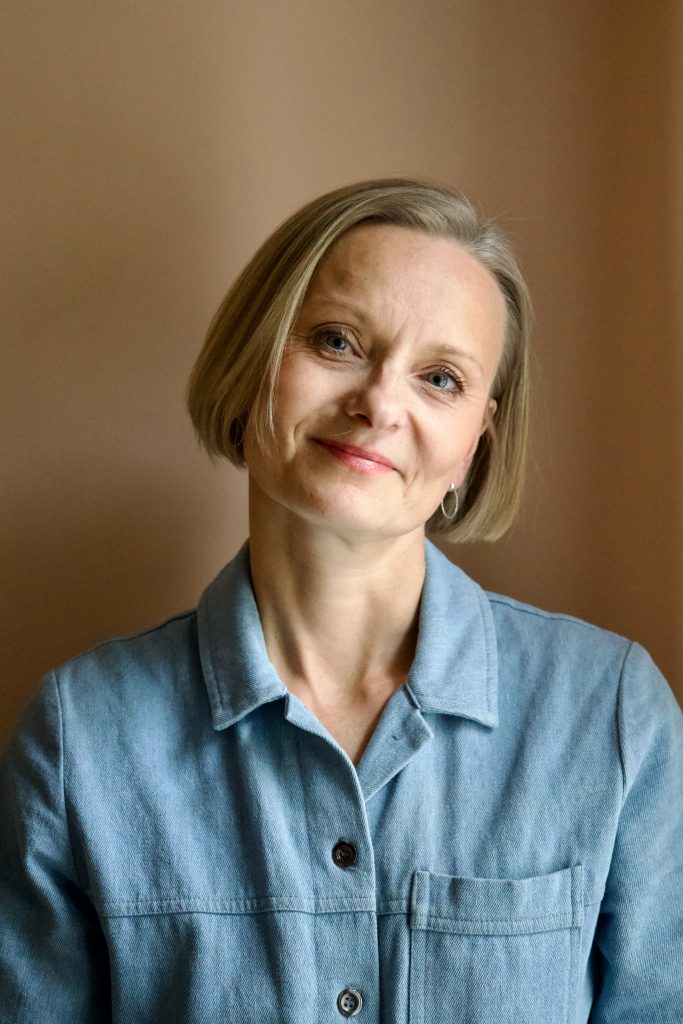
Minttu Jaakkola is the co-founder & Executive Director of Puistokatu 4 (House of Hope and Science) in Helsinki, Finland. She is a curiosity-driven changemaker, building bridges between scientific disciplines, sectors and people. Since earning her PhD in 2002, she has worked first in academia and later in foundations to foster dialogue and collaborative knowledge and action for a sustainable future. With a background in ecology and a focus on the social evolution of ants, her worldview is rooted in mutual respect and cooperation across all individuals, regardless of the species. What motivates her most is witnessing moments of shared understanding, which she believes hold the key to transformative change.
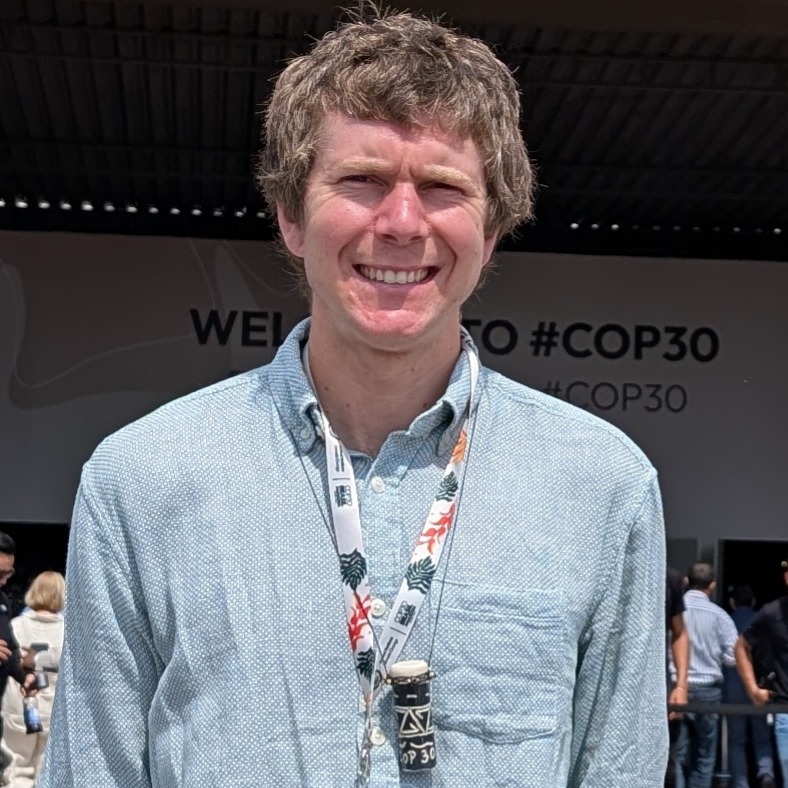
Darren Axe is membership and engagement manager at Students Organizing for Sustainability International (SOS International). Darren is a systems-thinking educator and International Mountain Leader. He convenes the SOS International global network of student and youth organizations working on transforming higher education for climate and social justice. This includes youth advocacy in global education policy-setting spaces and engaging governmental and non-governmental actors in strategic dialogue. On the ground, Darren delivers training, capacity building and promotes collaborative community structures of governance and project delivery within higher education institutions.
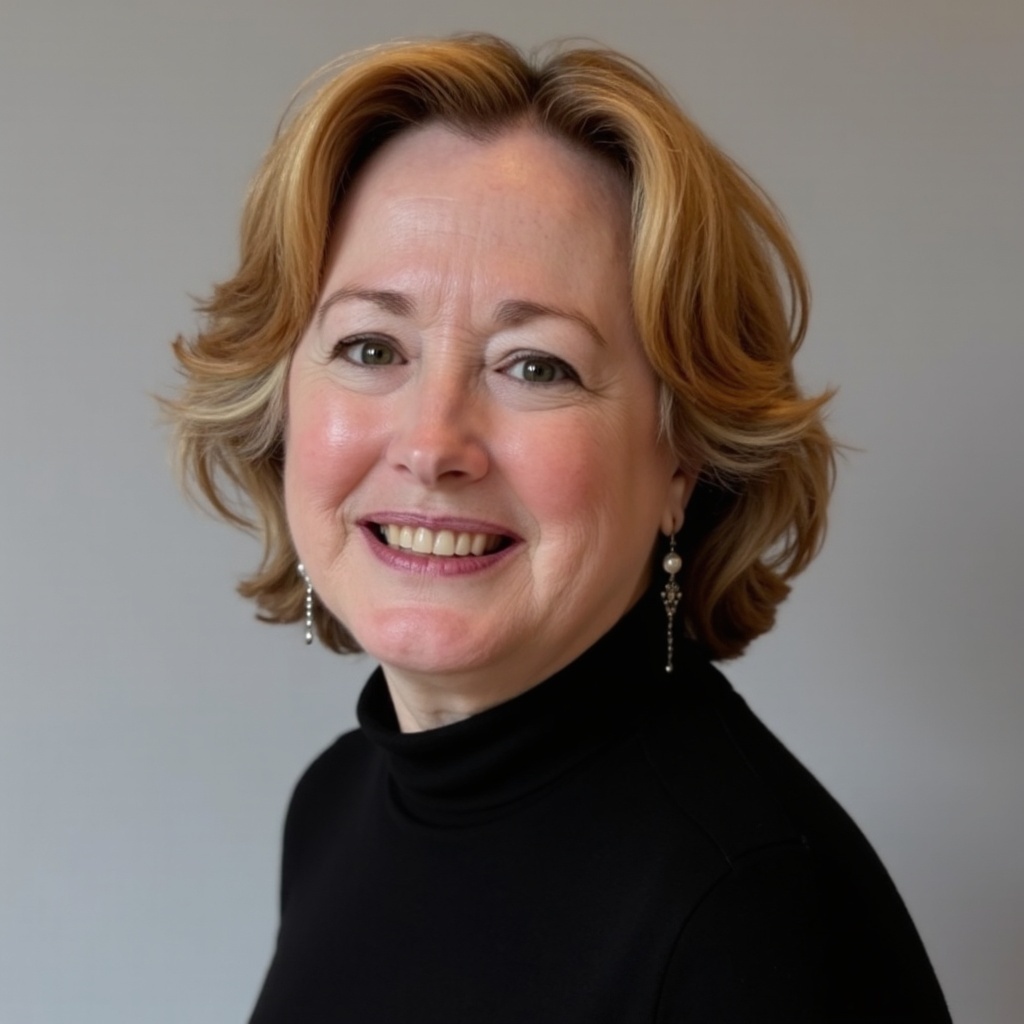
Professor Barbara Wasson is director of the Centre for the Science of Learning & Technology (SLATE), University of Bergen, and the co-director of the national AI Centre for the Empowerment of Human Learning (AI LEARN). Wasson is a member of the Norweigan Ministry of Education’s expert commission on AI in Higher Education, and a member of the Council of Europe expert group on AI and Education, and CDPPE Sub-Group on Higher Education Policy. She teaches the popular data literacy course Fantasic data for students and staff at UiB and in the continuing education programme.
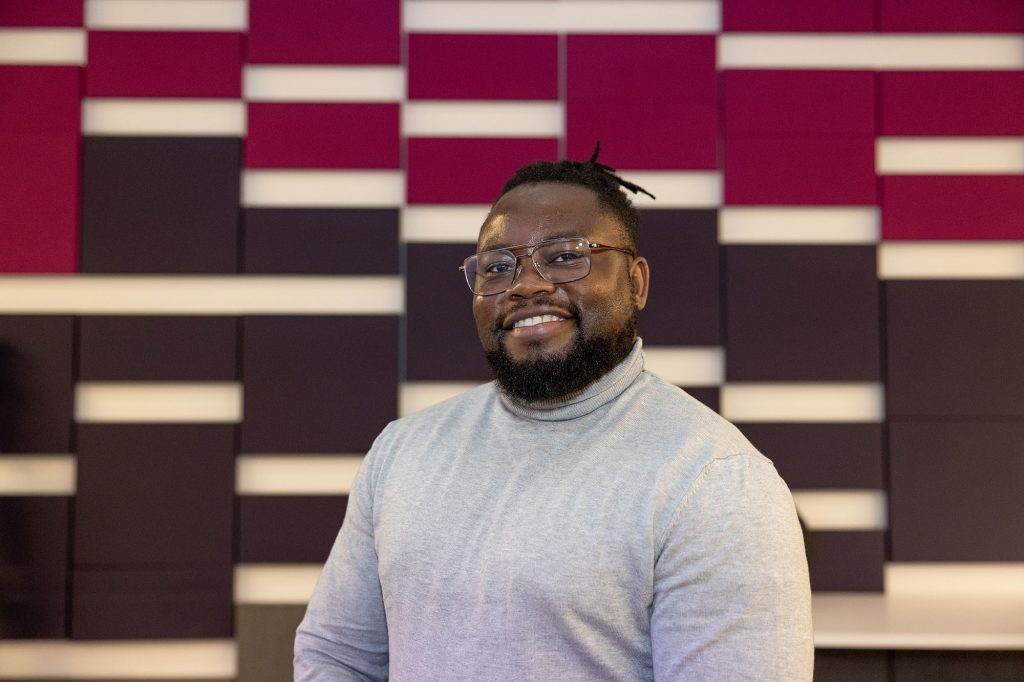
Adio-Adet Dinika is a decolonial scholar and AI Researcher at the Distributed AI Research Institute (DAIR), where he is part of the core team for the Data Workers’ Inquiry project spanning nine countries across five continents. He holds a PhD in Political Science from the Bremen International Graduate School of Social Sciences. His research centers worker and community knowledge in AI governance, examining digital colonialism, platform labor, and algorithmic harm. Photo: Maryse Boyce

Alexander Refsum Jensenius is a music researcher and research musician. He is Professor of music technology at the University of Oslo, where he is also Director of RITMO Centre for Interdisciplinary Studies in Rhythm, Time and Motion and the fourMs Lab. He is now also in the process of establishing MishMash Centre for AI and Creativity, a large consortium comprising 200+ researchers across Norway, in collaboration with both public and private institutions. He received a multi-disciplinary bachelor’s degree in music and mathematics and a master’s in musicology from the University of Oslo. He then completed a master’s in applied information technology at the Chalmers University of Technology before pursuing a PhD in music technology at the University of Oslo.
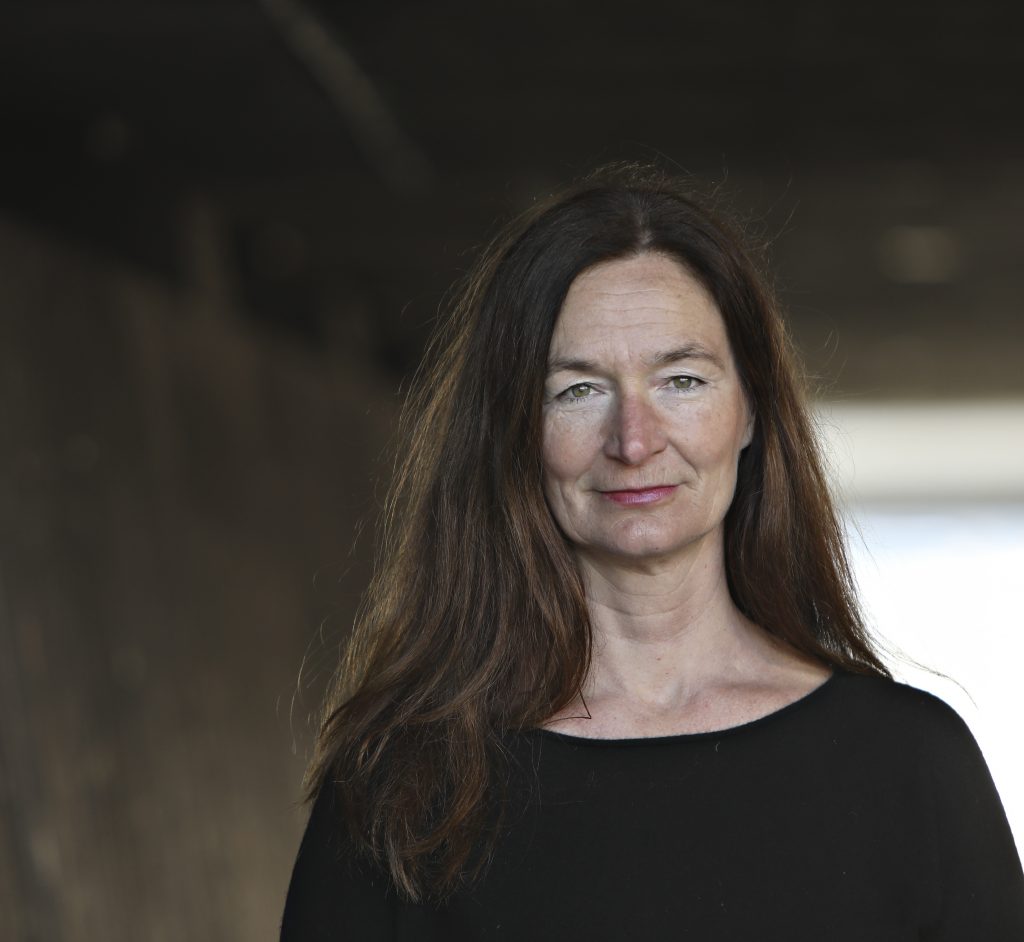
Anne Beate Hovind is a Norwegian urban developer, curator, and cultural producer with an international profile in art in public space. With more than twenty years’ experience across art, architecture, and civic infrastructure, she specializes in large-scale, site-specific projects rooted in place, time, and community. She is producer and curator of Future Library (2014–2114) by Katie Paterson and Losæter / Flatbread Society by Futurefarmers, both noted for long-term thinking and sustainability. Hovind serves on the boards of Sparebankstiftelsen DNB and Flytårnet Fornebu, and is Associate Professor at OsloMet, working with aesthetics and public space through research, teaching, and international collaboration in practice.
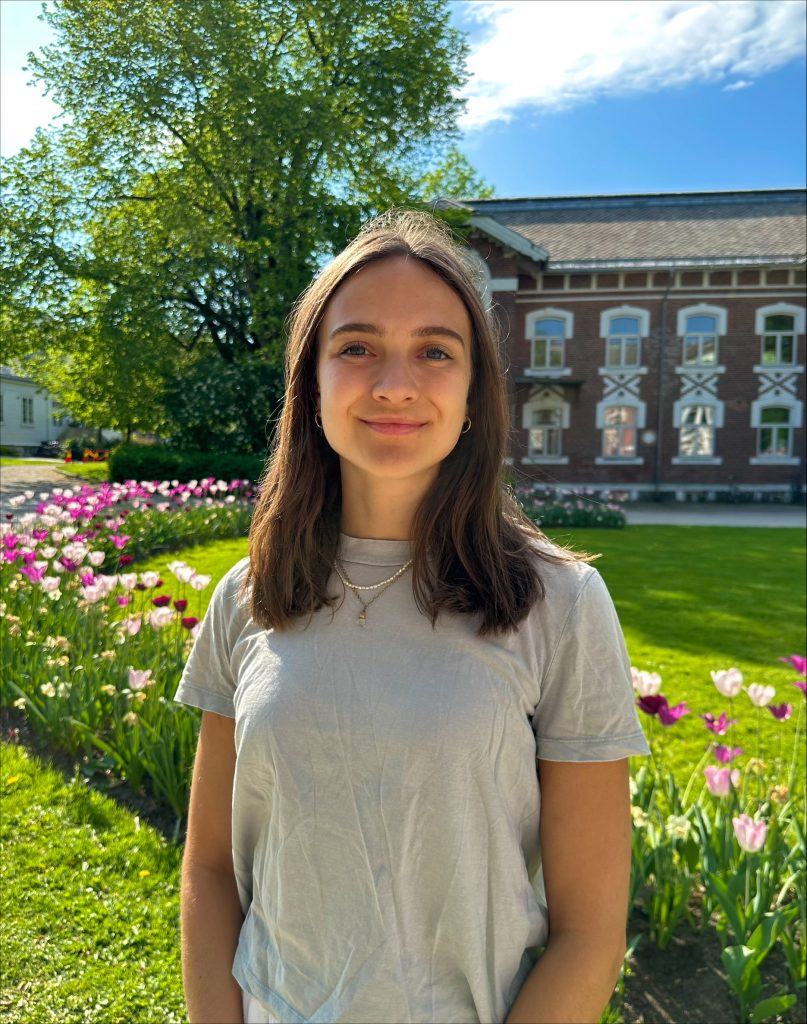
Ingeli Mortensen is a master’s student at NMBU with a strong interest in environmental sustainability and systems change. She holds a Bachelor’s degree and is currently pursuing a Master’s degree in Renewable Energy. She has been deeply engaged in sustainability work on campus. She worked in the student bord as a Sustainability Officer, where she led the Sustainability Committee and coordinated Green Week, NMBU’s annual sustainability festival. In addition, she is a Project Manager for Students in Research, working to connect students with research projects and strengthen student involvement in sustainability-related research
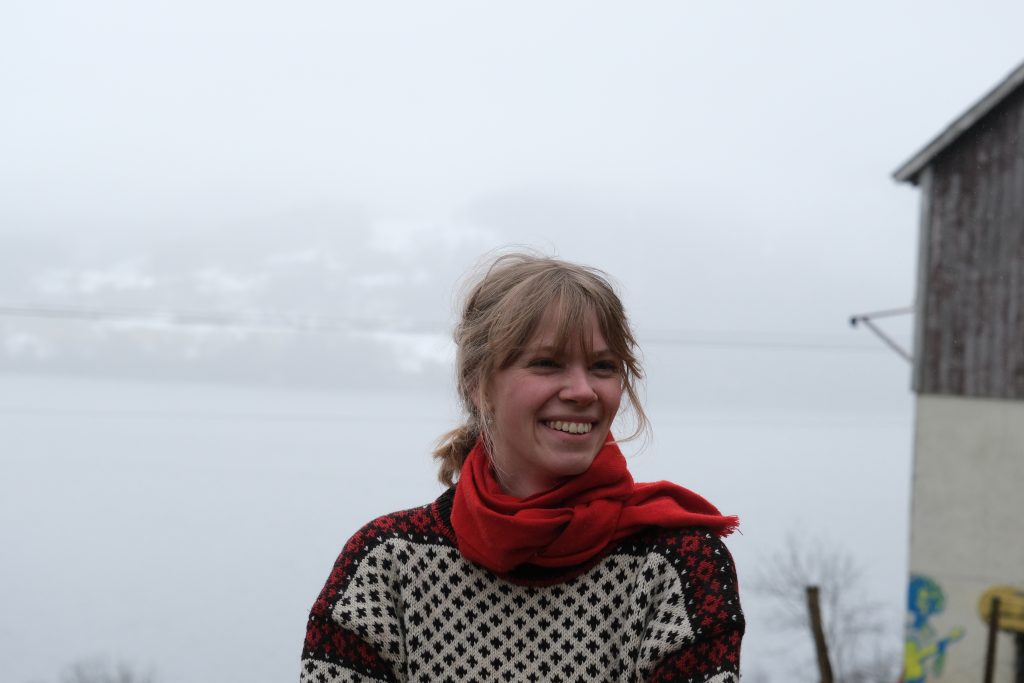
Julia Giæver is an Economy student at the University of Oslo. She holds a bachelor’s degree in political science, and have spent the past years working for the Norwegian Socialist Left Party. Julia is deeply engaged in the fight to stop Norwegian oil exploration, and limiting oil companies’ influence over the Norwegian Society. This fall, she was one of the students starting the Green Student Movement – a movement aiming to mobilize students towards climate action, and cutting ties between oil companies and Norwegian students.
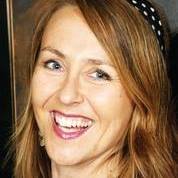
Mariann Youmans is a Norwegian author, youth professional, and Head of Deichman Young (Deichman UNG), a part of Oslo’s large public platform dedicated to people’s culture, participation, and democratic engagement. She has authored 14 books and holds degrees from the University of Oslo, NTNU, and UCLA. Her expertise lies in youth participation, children’s rights, and civic activism, with a focus on participatory methodologies, amplifying marginalized voices, and redistributing power through youth-led, co-created work in cultural and democratic institutions. Youmans has served as a member of Norway’s official delegation to the United Nations Special Session on Children and as a member of the interim board of the Forum for the Convention on the Rights of the Child.
We are also thrilled to welcome rector Solve Sæbø (NMBU) and pro-rector for social impact and collaboration Carl Christian Thodesen (OsloMet), Trine Johansen Meza (Kristiania University College of Applied Sciences), pro-rector Research and Development Ketil Eiane (Nord University), leader of NSO Sigve Næss Røtvold, member of Parliament in The Standing Comittee on Energy and the Environment Frøya Skjold Sjursæther (Green Party), Fanny Blindern Myhre (Green Office UiO), Katrina Hjermann (Green Office NTNU), Sustainability Pilot Hedda Olsen (UiB), Victoria Skogsletten Dalen, Christian Landbo Olesen and Yosef Ihdego (Student Parliament OsloMet), and the youth at Deichman Uråd.