Engaging Children with Scoliosis in Co-Designing Digital Health Solutions

At Design for Health, we believe that meaningful innovation starts with listening to the people who will ultimately use the solutions we create. One of the most rewarding aspects of research is the opportunity to engage directly with children, families, and stakeholders whose lived experiences bring essential perspectives to the research process.
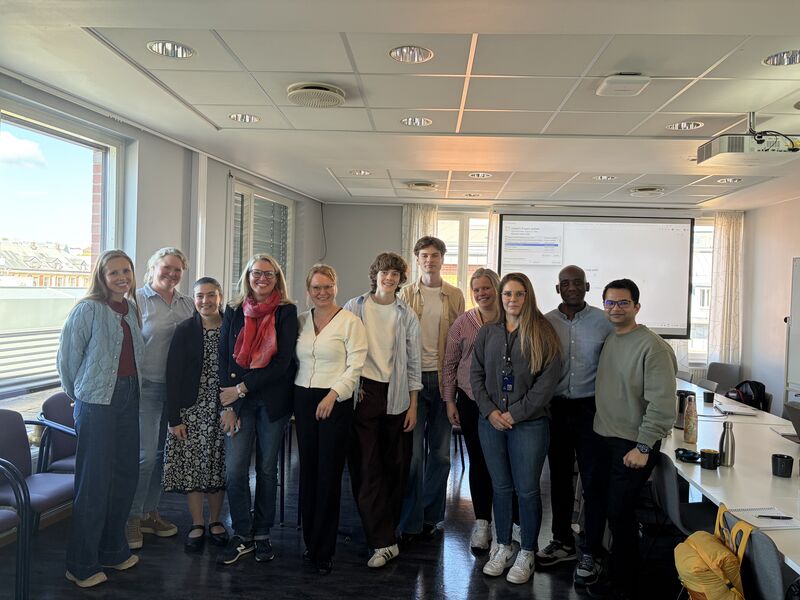
Recently, the group participated in a co-design workshop with children living with scoliosis as part of ongoing research exploring innovative digital solutions to support children and adolescents with scoliosis. The workshop provided a valuable opportunity to learn directly from children and their families about their experiences, challenges, and priorities.
The conversations revealed insights that cannot be captured through literature alone. Participants shared perspectives on daily life with scoliosis, discussed current support needs, and contributed ideas for future digital tools and services. These contributions will help ensure that future solutions are not only innovative, but also relevant, meaningful, and truly user-centred.
Co-design is a fundamental part of the project, allowing future users to actively shape the development process from the earliest stages. By involving children and families throughout the research journey, the team aims to develop solutions that reflect real-world needs and create tangible value for those living with scoliosis.
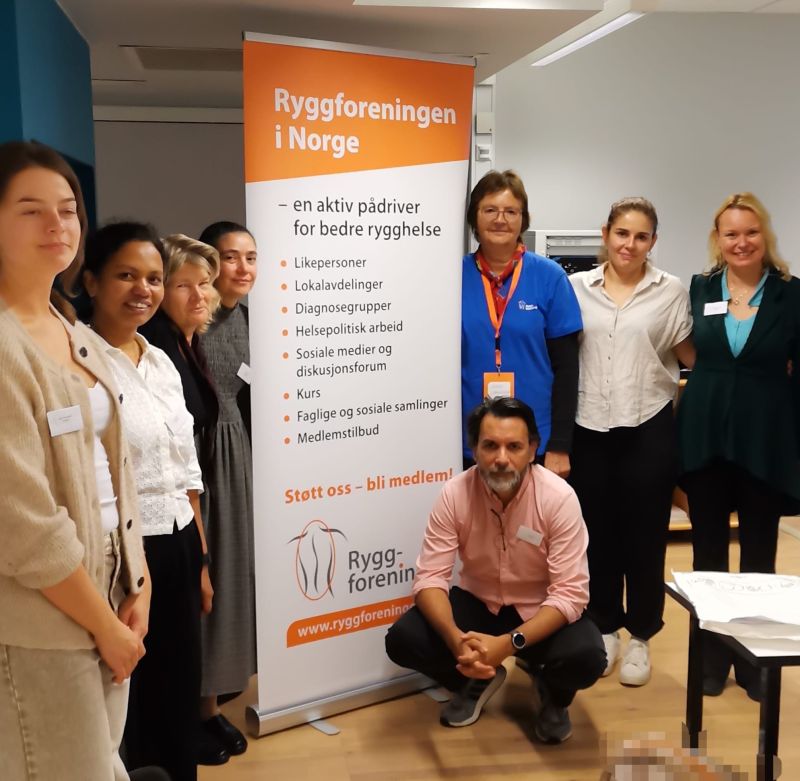
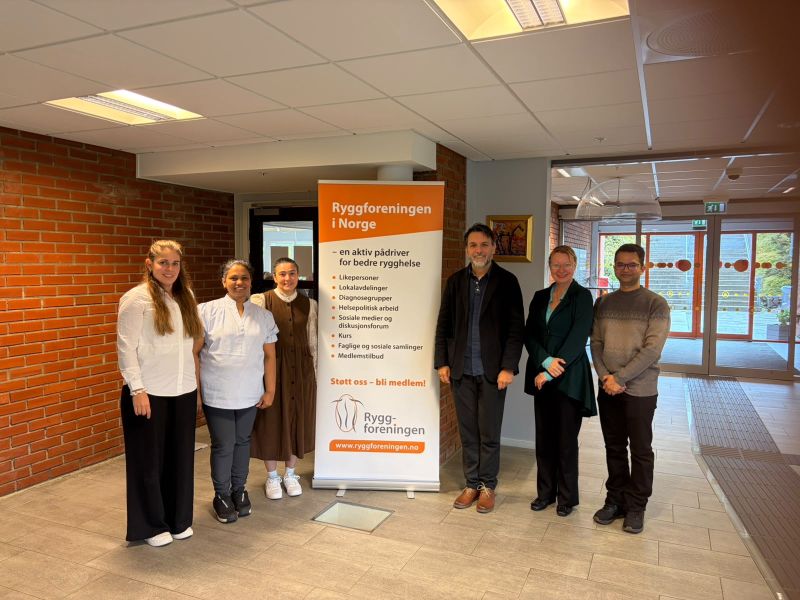
A special thank you goes to Ryggforeningen i Norge for providing the opportunity to engage with children and families during both the 2025 and 2026 annual meetings. Their collaboration and continued support have been invaluable in enabling meaningful user involvement and ensuring that the voices of children and families remain central to the research.
As the project moves forward, the insights shared by participants will play an important role in shaping the next generation of digital health solutions for children and adolescents living with scoliosis. Their contributions are helping create research that is grounded in lived experience and focused on improving everyday life for young people and their families.