Engaging Children with Scoliosis in Co-Designing Digital Health Solutions

At Design for Health, we believe that meaningful innovation starts with listening to the people who will ultimately use the solutions we create. One of the most rewarding aspects of research is the opportunity to engage directly with children, families, and stakeholders whose lived experiences bring essential perspectives to the research process.

Recently, the group participated in a co-design workshop with children living with scoliosis as part of ongoing research exploring innovative digital solutions to support children and adolescents with scoliosis. The workshop provided a valuable opportunity to learn directly from children and their families about their experiences, challenges, and priorities.

The conversations revealed insights that cannot be captured through literature alone. Participants shared perspectives on daily life with scoliosis, discussed current support needs, and contributed ideas for future digital tools and services. These contributions will help ensure that future solutions are not only innovative, but also relevant, meaningful, and truly user-centred.

Co-design is a fundamental part of the project, allowing future users to actively shape the development process from the earliest stages. By involving children and families throughout the research journey, the team aims to develop solutions that reflect real-world needs and create tangible value for those living with scoliosis.

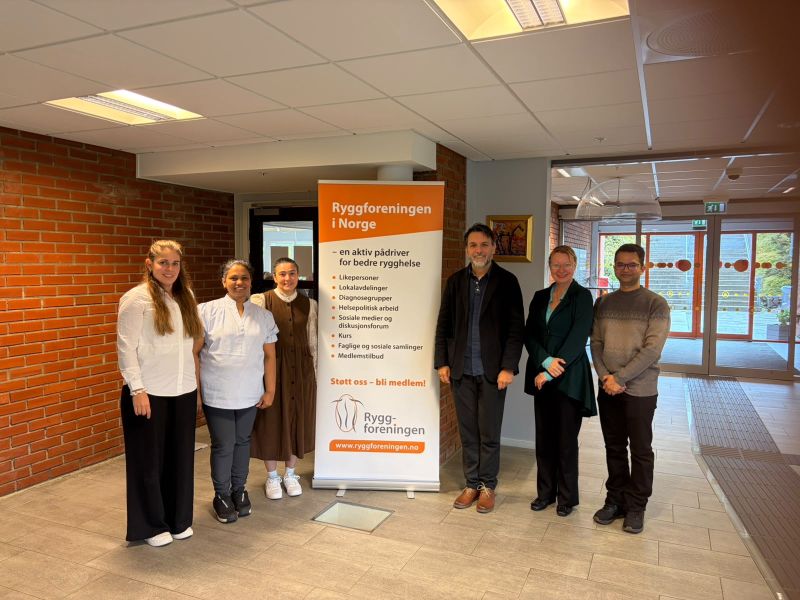
A special thank you goes to Ryggforeningen i Norge for providing the opportunity to engage with children and families during both the 2025 and 2026 annual meetings. Their collaboration and continued support have been invaluable in enabling meaningful user involvement and ensuring that the voices of children and families remain central to the research.

As the project moves forward, the insights shared by participants will play an important role in shaping the next generation of digital health solutions for children and adolescents living with scoliosis. Their contributions are helping create research that is grounded in lived experience and focused on improving everyday life for young people and their families.
Breaking the Wall of Rehabilitation Access: Kumar Sourav Moharana Heads to Falling Walls Lab Berlin

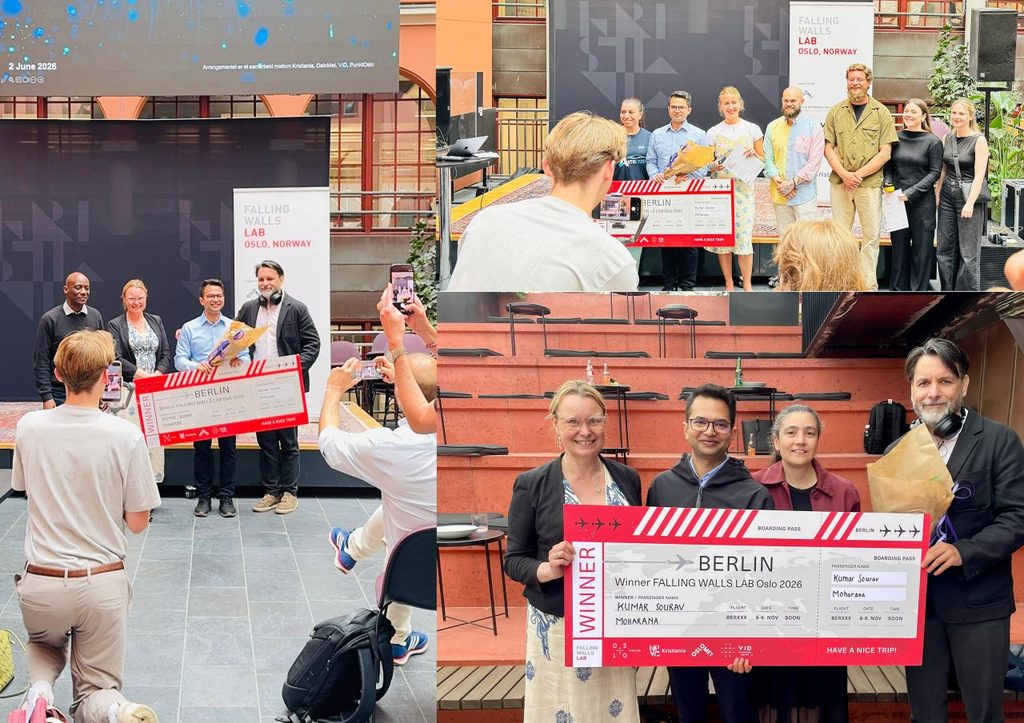
The Design for Health Research Group at OsloMet is delighted to celebrate and support Kumar Sourav Moharana, who will represent Oslo at the prestigious Falling Walls Lab Berlin on 6 November following his victory at the Falling Walls Lab Oslo competition on 2 June.

Kumar’s presentation, “Breaking the Wall of Rehabilitation Access,” explores how Virtual Reality (VR) and digital technologies can make rehabilitation more accessible, engaging, and effective for individuals who need it most. His work reflects an ongoing journey in product design and health innovation, investigating how emerging digital tools can help overcome barriers to rehabilitation and create new opportunities for patients, families, and healthcare providers.

What Is Falling Walls Lab?

Falling Walls Lab is an international forum and initiative of the Falling Walls Foundation, a non-profit organization based in Berlin, Germany. Inspired by the peaceful fall of the Berlin Wall in 1989, the foundation brings together researchers, innovators, entrepreneurs, and change-makers from around the world to address global challenges through a simple but powerful question:

«Which are the next walls to fall?»

The platform connects science, business, and society, providing emerging researchers and innovators with an opportunity to present breakthrough ideas capable of transforming the future.

From Oslo to Berlin

Winning the Oslo competition has given Kumar the opportunity to present his ideas on an international stage alongside some of the world’s most promising innovators. His project highlights the potential of VR-enabled rehabilitation to improve access to care and support more personalized rehabilitation experiences.

A Community Supporting Innovation

The Design for Health Research Group is proud to support Kumar’s journey and to see research and design-driven solutions gaining recognition beyond Norway.

We would also like to acknowledge the organizers of Falling Walls Lab Oslo, including OsloMet – Oslo Metropolitan University and the Department of Product Design, for fostering an environment where purpose-driven research, experimentation, and innovation can flourish.

Special thanks also go to Punkt Oslo, Kristiania University of Applied Sciences, and VID Specialized University for contributing to such an inspiring platform for emerging researchers and innovators.

Wishing Kumar the Best in Berlin

As Kumar prepares to present “Breaking the Wall of Rehabilitation Access” in Berlin this November, we are excited to follow his journey and celebrate this remarkable achievement.

On behalf of the Design for Health Research Group, we congratulate Kumar on this well-deserved success and wish him every success at Falling Walls Lab Berlin.

Good luck, Kumar. We are proud to see your vision for more accessible rehabilitation reaching an international audience and inspiring conversations about the future of health and care services.

Co-Designing the Future of Pediatric Rehabilitation: Highlights from the AdaptEx Workshop

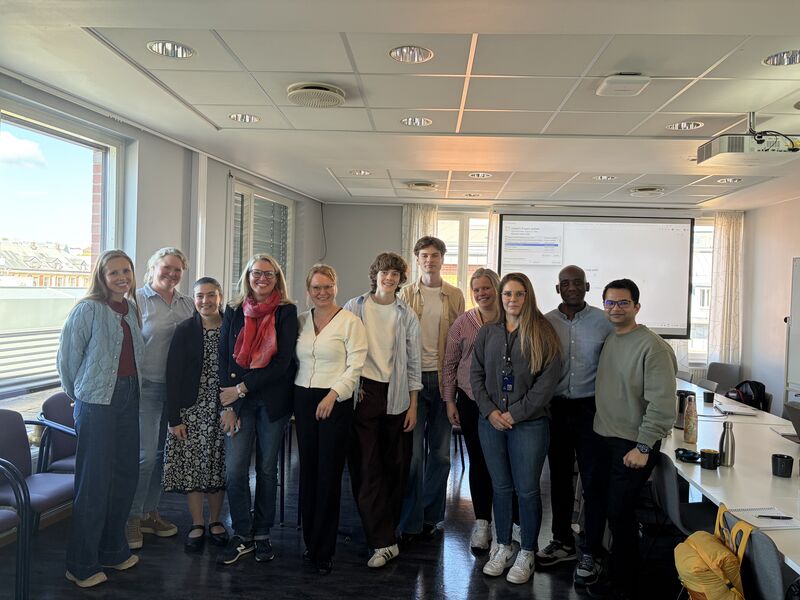
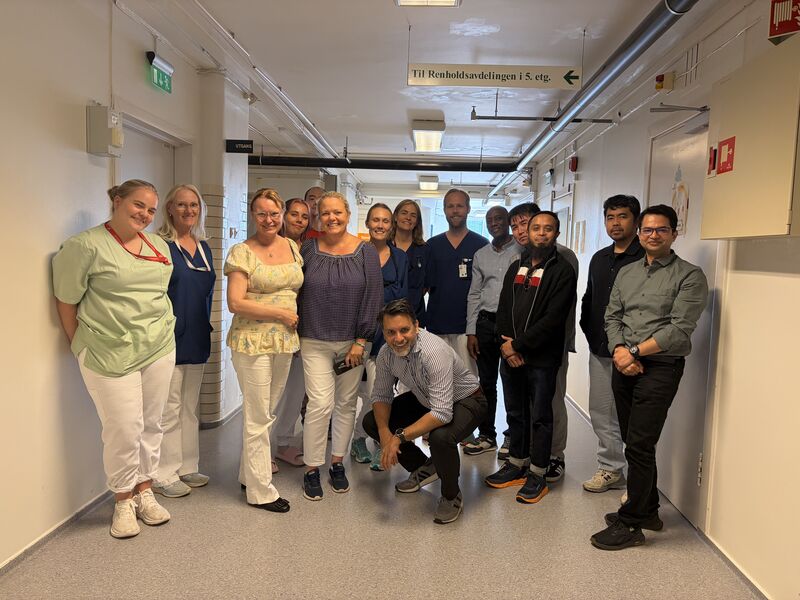
On tUesday, Speteber 1st Design for Health research group at OsloMet had the pleasure of bringing together researchers, designers, and clinicians for an engaging and productive AdaptEx co-design workshop. The workshop united the OsloMet Design for Health team, led by Nenad Pavel and Trust Saidi, with dedicated clinicians from the Oslo Municipality Aker Hospital team around a shared vision: improving rehabilitation outcomes for children with brain injuries through innovative digital solutions.

Designing for Recovery Beyond the Hospital

At the heart of the AdaptEx project is an ambitious and meaningful goal: the development of a digital dashboard that supports home-based rehabilitation for children with brain injury. By combining clinical expertise with human-centered design approaches, we are working to create tools that make rehabilitation more engaging for children, more empowering for families, and more informative for healthcare professionals.

Home rehabilitation presents unique challenges and opportunities. Through collaborative design processes, we aim to ensure that digital solutions are grounded in the real needs and experiences of children, caregivers, and clinicians alike.

The Value of Co-Design

The workshop provided a valuable space for participants to share experiences, identify challenges, and generate ideas for future development. The clinical insights, empathy, and creativity contributed by participants helped shape a deeper understanding of how digital technologies can support rehabilitation journeys beyond traditional healthcare settings.

The discussion highlighted the importance of designing solutions that are not only technologically robust but also meaningful, accessible, and responsive to the everyday realities of families navigating recovery at home.

A Strong and Growing Collaboration

We would like to extend our sincere thanks to everyone who participated and contributed to making the workshop such a success. Special thanks go to Ingvild Rosseland, Åse Bergheim, and their outstanding colleagues from Oslo Municipality for their continued commitment to this collaboration and for the productive partnership we have developed over the years.

Supporting Future Health and Care Services

The AdaptEx project directly aligns with OsloMet’s thematic research area Future Health and Care Services, which promotes innovative, collaborative, and technology-enabled approaches to healthcare. By bringing together expertise across disciplines and sectors, we are working toward solutions that improve care delivery and support better health outcomes where they matter most: in people’s everyday lives.

We look forward to the next stages of the project and to continuing this exciting collaboration as we co-design the future of pediatric rehabilitation.

Inspiring Perspectives on the Future of Safe and Sustainable Health Systems

The Design for Health research group at OsloMet was delighted to welcome Associate Professor Eva Turk for an inspiring guest lecture titled “Safe and Sustainable Health Systems for the Future.” The event was hosted through OsloMet’s thematic research area Future Health and Care Services, bringing together researchers, students, and collaborators from multiple disciplines to explore the challenges and opportunities shaping tomorrow’s healthcare systems.

Eva Turk is an internationally recognized expert in Health Technology Assessment (HTA), digital health, and health policy. She serves as Senior Researcher and Program Lead at the St. Pölten University of Applied Sciences in Austria and holds associate professorships in Slovenia. Throughout her career, she has built an impressive portfolio spanning government, academia, and industry across Austria, Slovenia, and Norway. In addition to her academic leadership, she is actively engaged in global health initiatives through organizations including HTAi, WHO Europe, Women in Global Health, and the Norwegian Red Cross.

Drawing on her extensive international experience, Eva shared valuable insights into how healthcare systems can become safer, more resilient, and more sustainable in the face of evolving societal and technological challenges.

Key Themes from the Lecture

Evidence-Based Innovation

Eva highlighted the importance of bridging established HTA frameworks with the realities of implementing digital health solutions in practice. She emphasized how evidence-based approaches can support meaningful innovation while ensuring quality, safety, and long-term value for patients and healthcare providers.

Building Resilient Health Systems

A central message of the lecture was the need for healthcare systems that are inclusive, community-centered, and capable of adapting to future challenges. Eva underscored the importance of designing solutions that leave no one behind and strengthen resilience at both the system and community levels.

Cross-Sector Collaboration

The lecture also explored the critical role of collaboration across research, policy, industry, and healthcare practice. Eva demonstrated how multidisciplinary partnerships can accelerate innovation and support the development of healthcare solutions that are both effective and sustainable.

Strengthening International Collaboration

For the Design for Health research group, the visit was particularly meaningful as it builds on ongoing research collaborations and the development of joint project proposals with Eva and her international network. Opportunities to engage with leading global experts enrich our research environment and inspire new perspectives on how design, research, and digital innovation can contribute to improved health and care services.

We extend our sincere thanks to Eva Turk for sharing her expertise and inspiring our OsloMet community. Her visit encouraged all of us to reflect on how research-driven innovation and collaborative approaches can help create safer, more sustainable healthcare systems for future generations.

We look forward to continuing our collaboration and exploring new opportunities together in the years ahead.

Congratulations on your dissertation Mahmoud Mohamed

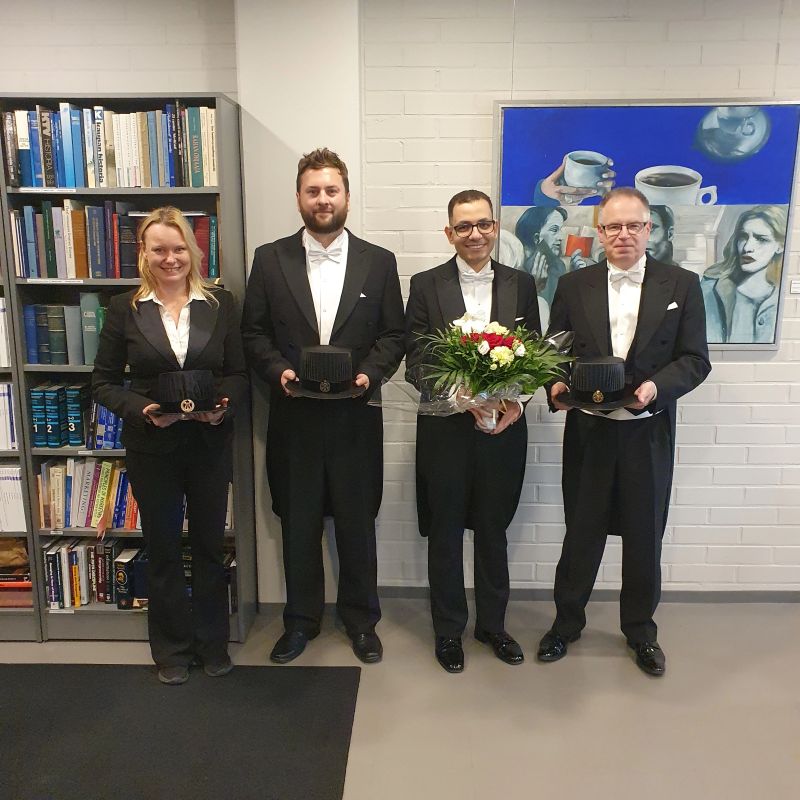
Congratulations to PhD student Mahmoud Mohamed from the Martti Ahtisaari Institute on successfully defending his doctoral thesis on Digital Platform Entry into Healthcare! This milestone highlights Mahmoud’s dedication and groundbreaking research in a field that is shaping the future of healthcare innovation. A special thank you goes to Professor Dominic Chalmers for serving as the opponent and providing valuable insights during the defense, as well as to Professor Petri Ahokangas, the main supervisor, for his unwavering guidance and support throughout this journey. This achievement is a testament to the power of collaboration and academic excellence—well done, Mahmoud!

Ryggforeningen & Design for Health organize a workshop on Skolisetreff 2025

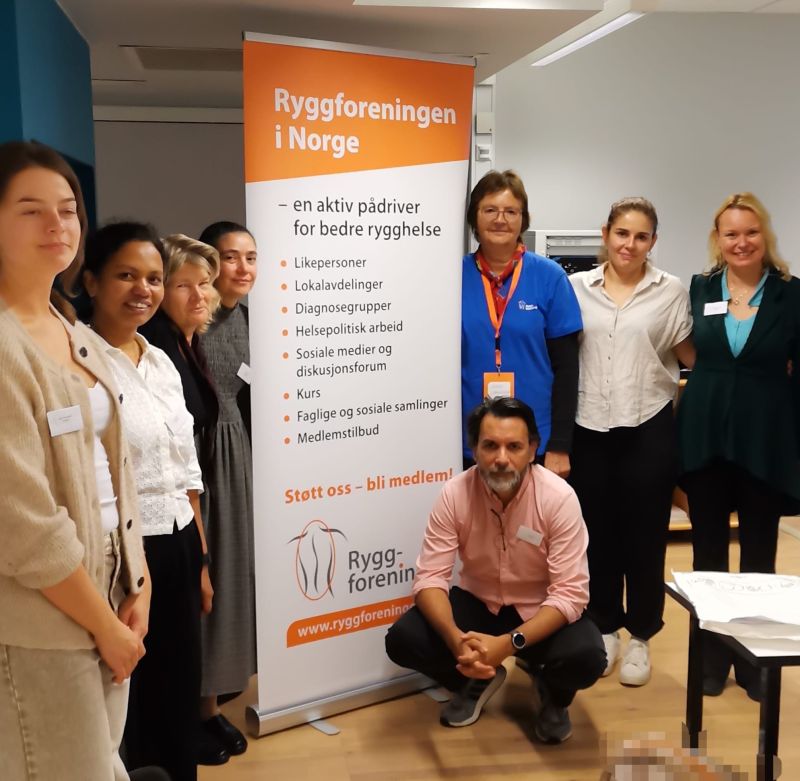
The Skoliosetreff 2025 was an inspiring and unforgettable weekend held from September 12-14 at the Hurdal Syn- og Mestringssenter, bringing together children with scoliosis and their families for connection, learning, and empowerment. Organized by the skoliosegruppa in collaboration with Ryggforeningen i Norge, this event provided a unique platform for our Design for Health research team at OsloMet to host an engaging workshop exploring innovative future solutions for scoliosis care. Heartfelt thanks go to Mette Fløystad Kvammen and Olaug Jørg from Ryggforeningen for their incredible support, as well as A/Prof Nenad Pavel for his expert facilitation. We are also immensely grateful to our dedicated PhD students, Kamila Sykorova and Anna Matthew, and Prof. Parisa Gazerani, whose thoughtful planning made this workshop a success, along with our talented design students who added their creative touch. Most importantly, we extend our deepest gratitude to the children and their families for their enthusiasm and invaluable input — your voices and perspectives drive our mission to create meaningful solutions for scoliosis patients everywhere!

Be part of the Design for Health team

Call for Expression of Interest to develop a joint application to the EU Marie Skłodowska-Curie Action European Postdoctoral Fellowship scheme

OsloMet invites interested researchers of any nationality, fulfilling the eligibility requirements for the fellowship, to express their interest in developing an application for a two-year project at OsloMet, funded by the Marie Skłodowska Curie European Postdoctoral Fellowship 2025 (Call: HORIZON-MSCA-2025-PF-01-01). 

Read more and apply here >>

Research Group Presents VR HAB project at Researcher’s Night Lillestrøm

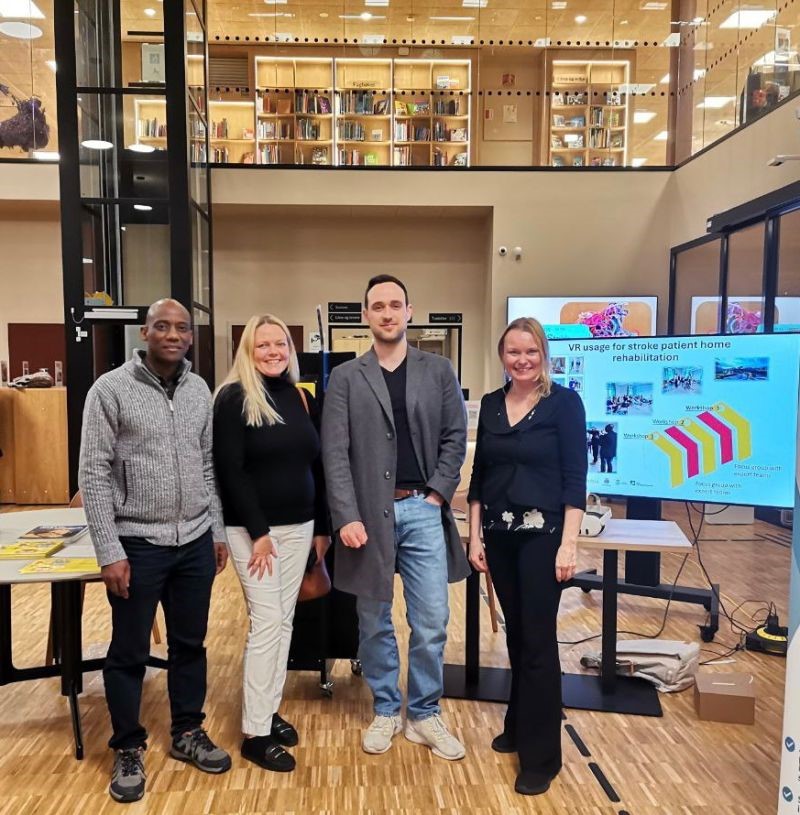
We want to take a moment to express our gratitude for the phenomenal opportunity to showcase our work on VR-Hab, a project focused on the needs and opportunities of VR-based home rehabilitation for stroke patients. This presentation was a collaborative effort between A/Prof Nenad Pavel, Post-doctoral dr Trust Saudi, doctoral student Ann Marie Hestetun-Mandrup, CTO Markus Haraldseid, CCO Elise Rimer from Fornix and the wonderful department head Ingvild Kristina Hurum Rosseland from Oslo Municipality and Åker hospital. You can find the details of our presentation here.

We want to extend a heartfelt thank you to our entire team for their relentless work and dedication. Special mention to Ingvild Kristina Hurum Rosseland, the department head at Oslo Municipality / Aker University Hospital, and her remarkable clinical team for their significant contributions to this project. Their expertise and hard work have been instrumental in driving this amazing project forward. We look forward to continuing our great work and making strides in the field of home rehabilitation.

Research Experience at UNESP Brazil: Bridging VR, Prosthesis Design, and Patient Participation

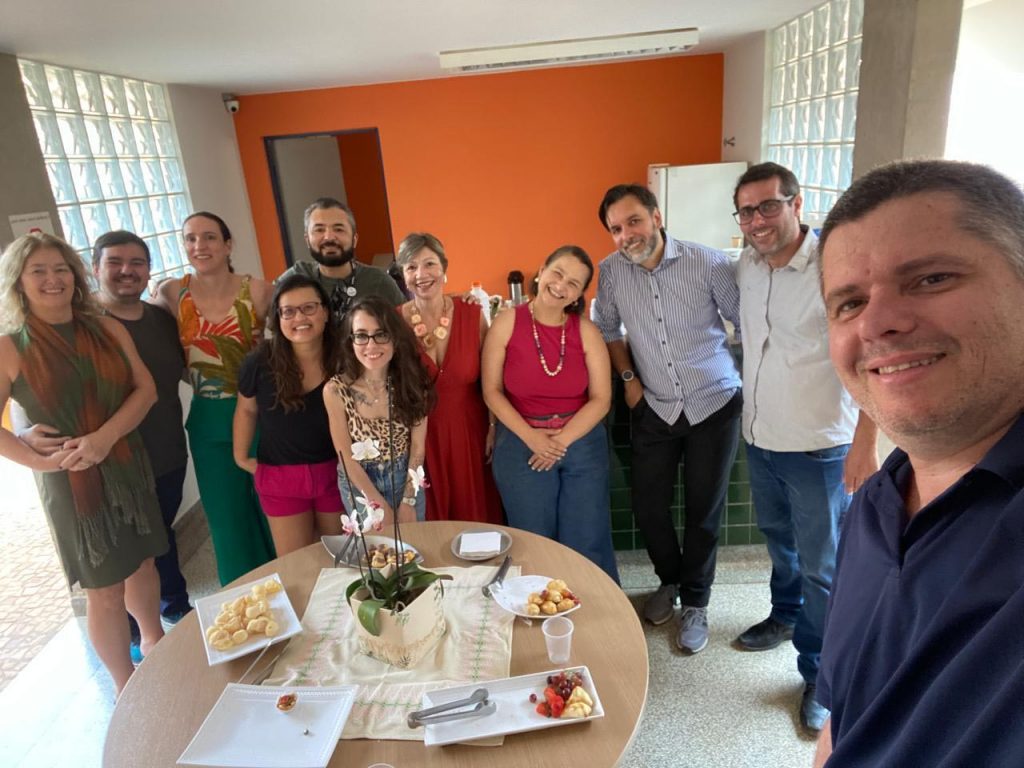
Recently, we had the incredible opportunity provided by CAPES to spend time researching at UNESP Brazil, Bauru, where they focused on developing research in Virtual Reality (VR) and arm prosthesis design. In addition to the research, we also had the privilege of imparting knowledge on design thinking, participatory design, and the critical role of patient involvement in the co-production of services. This hands-on experience, coupled with the chance to teach and learn, was a deeply enriching journey. We extend our heartfelt appreciation to our Brazilian colleagues for their invaluable contributions, engaging discussions, and wonderful cooperation that made this exchange a truly rewarding experience. We look forward to more such international collaborations that foster knowledge exchange and innovation in health design.

Exploring the Potential of VR in Cancer and Stroke Patient Care: A Collaborative Discussion at Singapore General Hospital

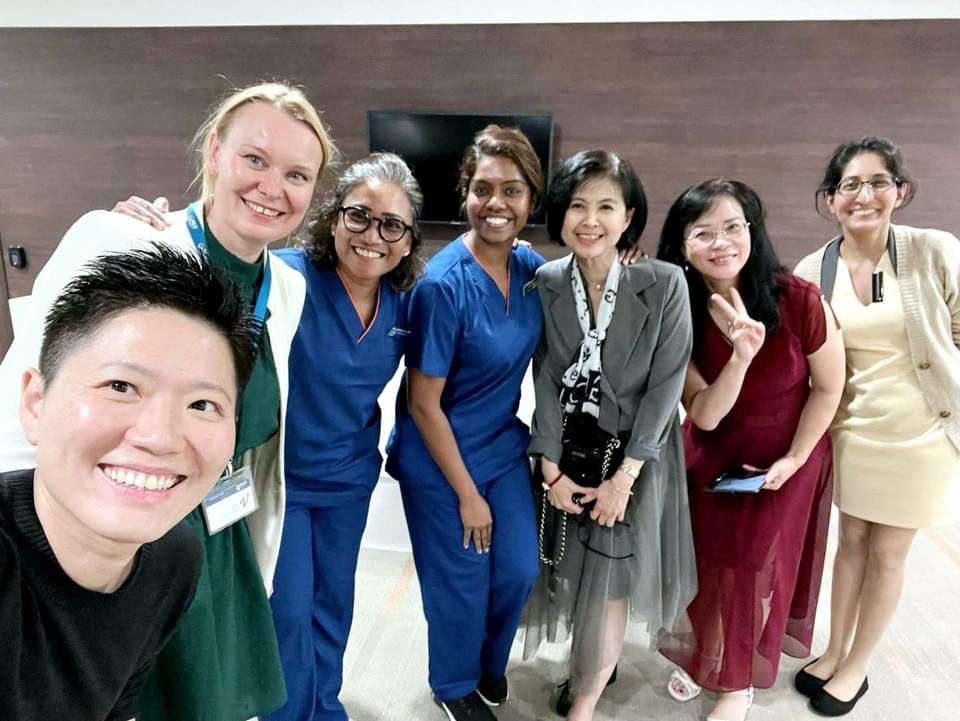
In a recent rendezvous, the Design for Health Research Group had a fruitful exchange with peers from the National University of Singapore (NUS) and Singapore Institute of Technology (SIT). The meeting, held at Singapore General Hospital, was teeming with thought-provoking conversations around a cutting-edge concept: leveraging Virtual Reality (VR) to transform care for cancer and stroke patients. We extend our heartfelt gratitude to everyone who joined this enlightening dialogue, contributing to a successful meeting that offered new insights and exciting possibilities in the realm of healthcare technology.