AdaptEd
Making adapted education available for children experiencing pain and fatigue due to rare diseases
- Nenad Pavel -Project leader
- Kumar Sourav Moharana – PhD candidate
- Minna Pikkarainen and Parisa Gazerani – Supervision
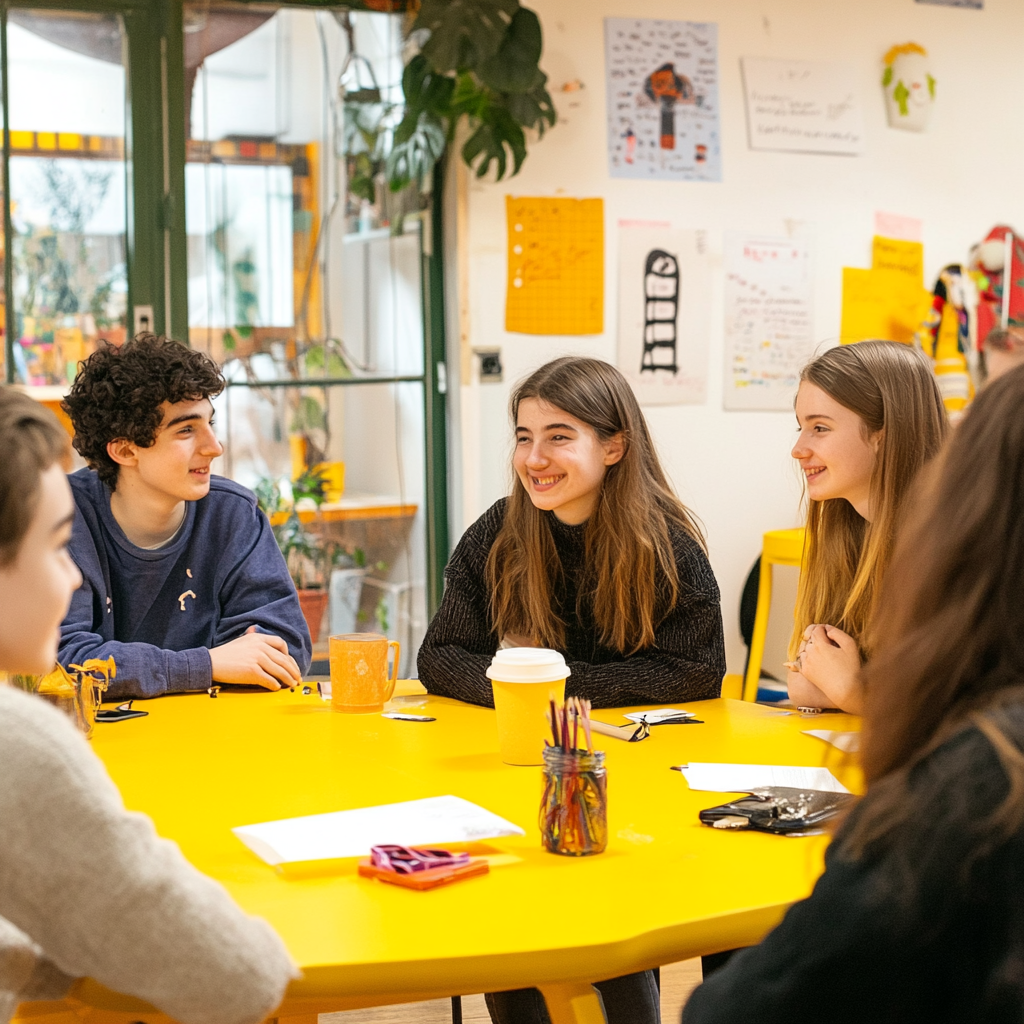
Current activities: Interviews with teachers.
Coming activities: Prototyping Workshops & Focus Groups
Duration: 2029
What is it about – Understanding Needs, Creating Personalized Support
Children with rare diagnoses often experience symptoms that are not visible to others, particularly pain and fatigue (extreme tiredness). These challenges can make it difficult to participate fully in school, learn effectively, and stay connected with friends. Schools, like parents and children, often find themselves in a challenging situation. Every child’s needs are unique, and it can be difficult to understand how pain and fatigue affect daily school life and what forms of support will be most helpful.
This project aims to develop a digital tool that helps children, parents, and schools work together to create and follow a personalized plan for school accommodations. The tool will make it easier for children to express their experiences, for families to communicate their needs, and for teachers to identify practical solutions that can be used in everyday school life.
The project is a collaboration between Design for Health and professionals from the National Centre for Rare Disorders, units at Sunnaas and Frambu.
Why is it important – Making adapted education available for children in need
Many children with rare conditions face challenges at school that are difficult for others to see. Pain and fatigue can affect concentration, participation, attendance, learning, and social life. Because these symptoms are often invisible, teachers and classmates may not fully understand their impact.
Families frequently report that schools have limited resources and knowledge about rare diagnoses, and that support arrangements can vary considerably between schools. Parents often describe a need for greater understanding, practical and personalized accommodations, and more consistent follow-up over time. Teachers are expected to meet highly individual needs but may lack the time, tools, and specialized knowledge required to do so effectively. School leaders must often balance the goal of personalized support with practical constraints such as budgets, staffing, and policy requirements.
Today, there are very few tools that help schools and families translate children’s experiences into concrete and manageable actions. By working together with children, parents, teachers, and healthcare professionals, we are developing a digital solution that makes school life more accessible, meaningful, and inclusive for children living with rare conditions, pain, and fatigue.
How can you contribute – let us know about your experience!
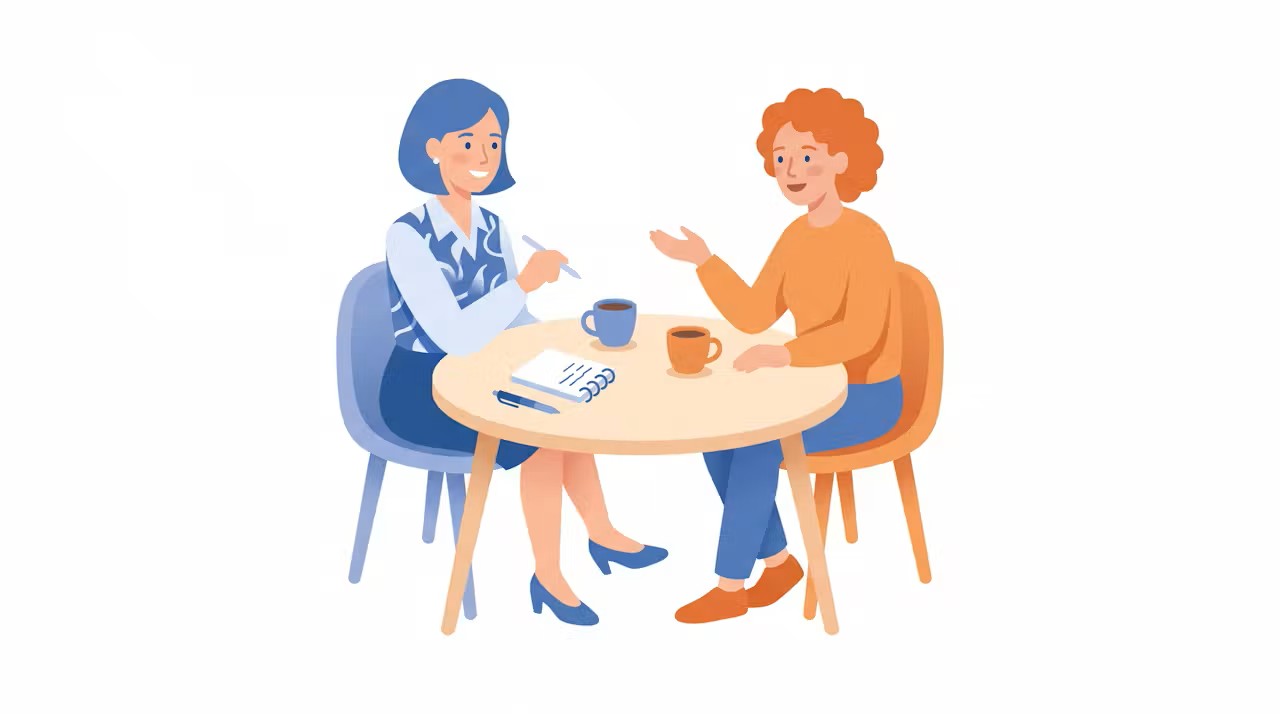
We are looking for teachers who have experience working with children aged 9-16 who live with a rare condition and experience pain and/or fatigue. We would like you to give us your insights in a 45-60 minutes semi structure interview in Norwegian or English.
In this research project, we aim to better understand teachers’ experiences of supporting and accommodating these students in everyday school life. We are particularly interested in learning about the factors that help or hinder students’ participation, learning, inclusion, and engagement at school, as well as teachers’ experiences with educational accommodations, communication, and collaboration with families and other professionals.
You do not need to be an expert in rare diagnoses to participate. We are interested in hearing from any teacher who has supported a student experiencing pain, fatigue, or other health-related challenges, regardless of the specific diagnosis.
The knowledge gained through this study will help us develop better tools and more inclusive approaches to supporting children with rare conditions in school.
Your experience in practice is very valuable because it uncovers:
- Practical experiences of supporting students with rare conditions, pain, and fatigue.
- Identifies factors that promote or hinder participation, learning, and inclusion in everyday school life.
- Contributes to knowledge that can help improve future school support and accommodations for these students.
What does participation involve?
- One individual semi-structured interview lasting approximately 45-60 minutes, conducted either online or in person, depending on what is most convenient for you.
- The interview will focus on your experiences of supporting students with rare conditions who experience pain and fatigue, including factors that help or hinder participation, learning, and inclusion at school.
- The interview will be audio-recorded to ensure accurate documentation.
- All information will be handled confidentially and in accordance with data protection procedures approved by SIKT (Norwegian Agency for Shared Services in Education and Research).
- Participation is voluntary, and you may withdraw from the study at any time without providing a reason.
How to partcipate?
Submit a no-obligation expression of interest through the university’s online form.
Submit a no-obligation expression of interest through the university’s online form.
Download and learn more about participation consent. The form can be signed later.
Take contact with:
Nenad Pavel nenad.pavel@oslomet.no mobile: 45 27 0158
Kumar Sourav Moharana kumoh0830@oslomet.no mobile: 46 39 74 21