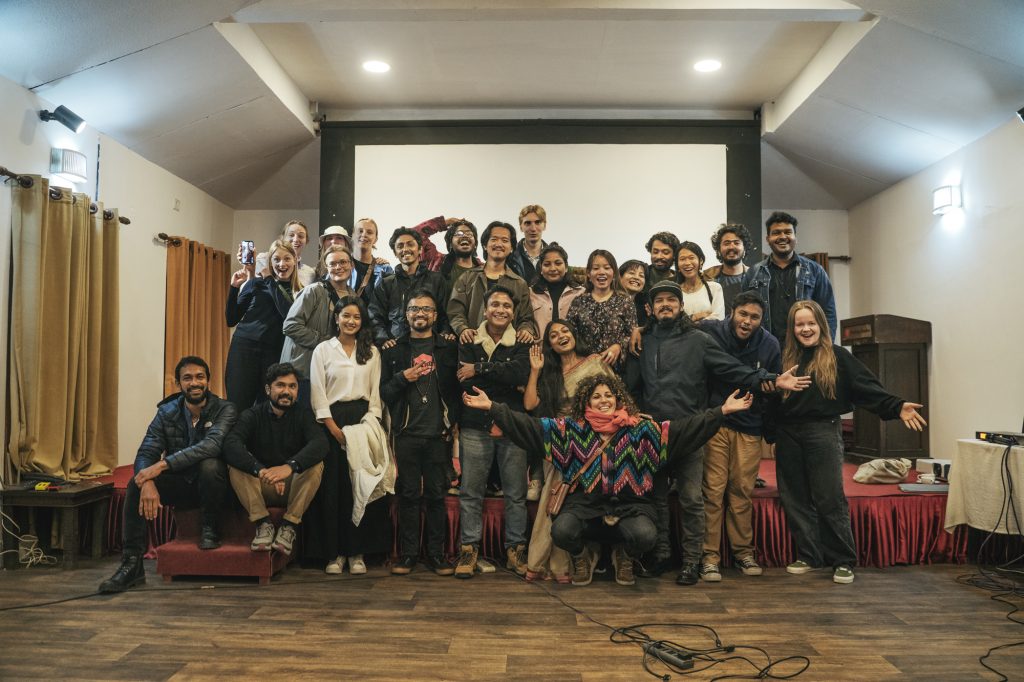
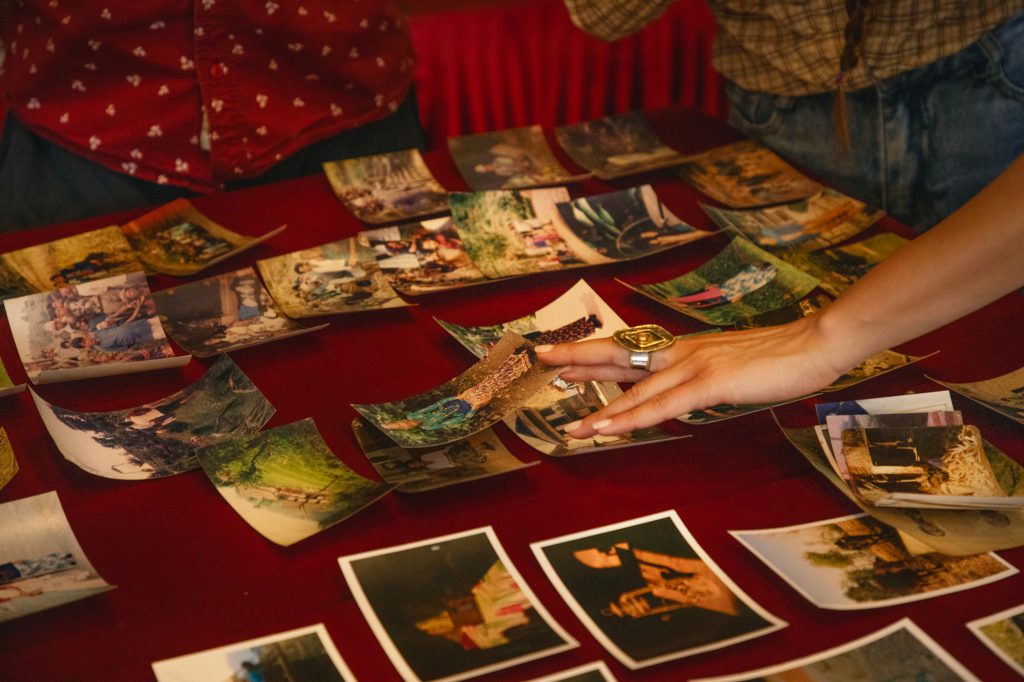
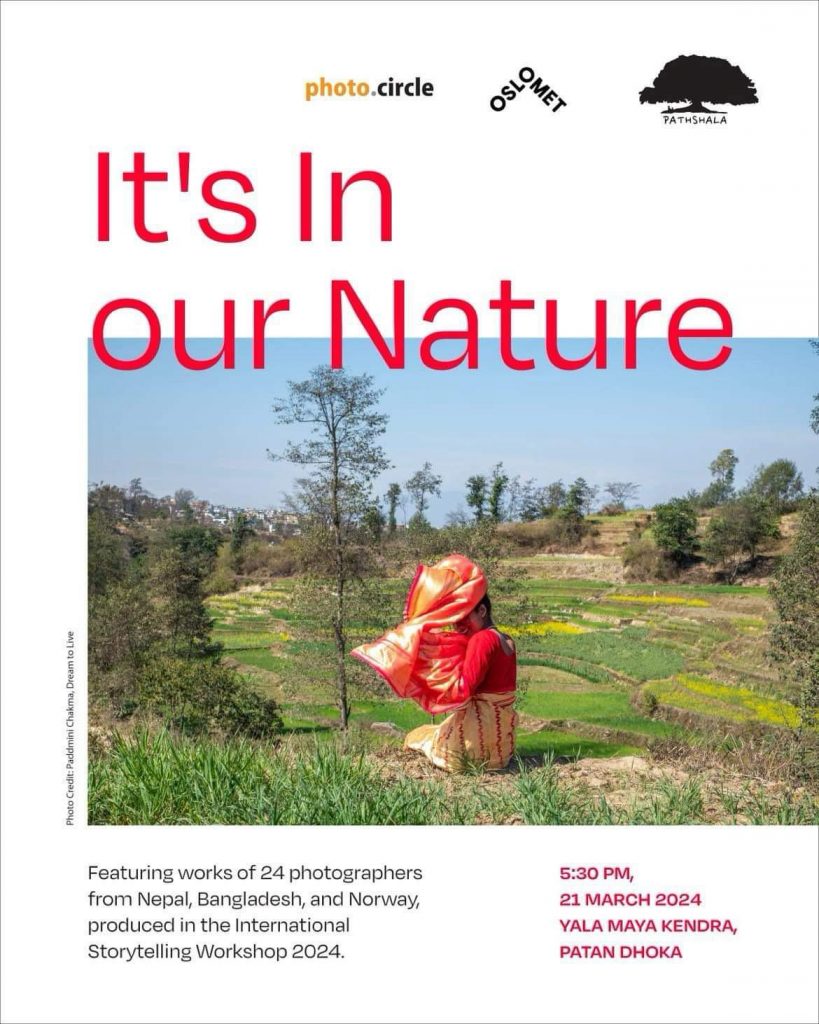
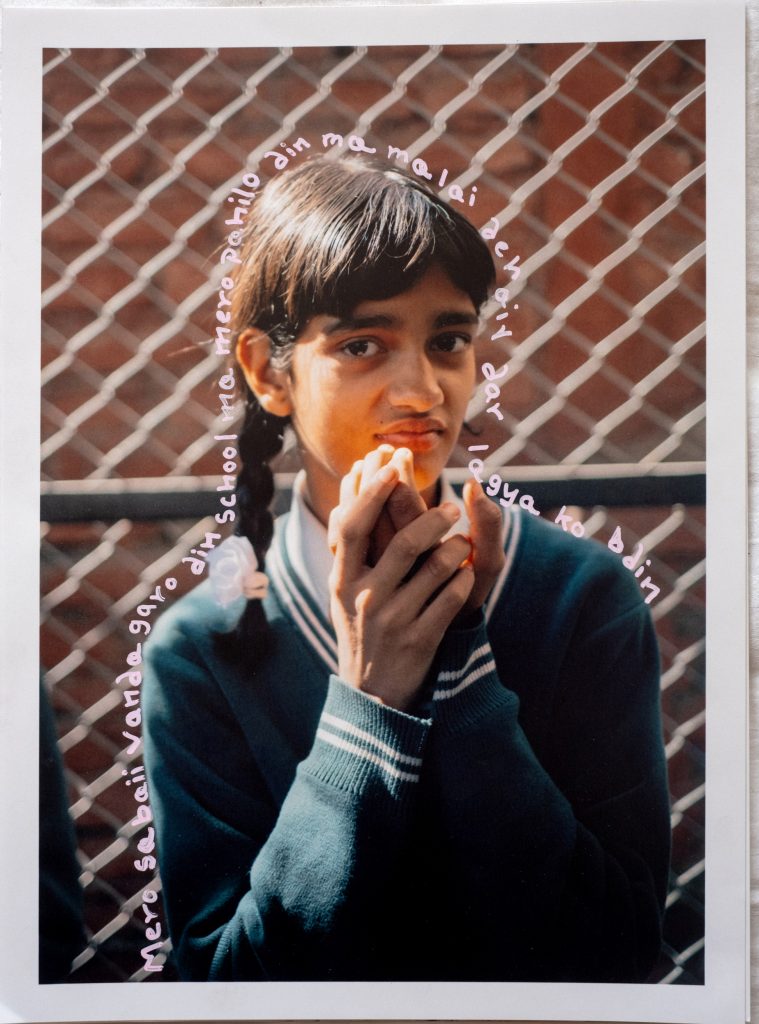
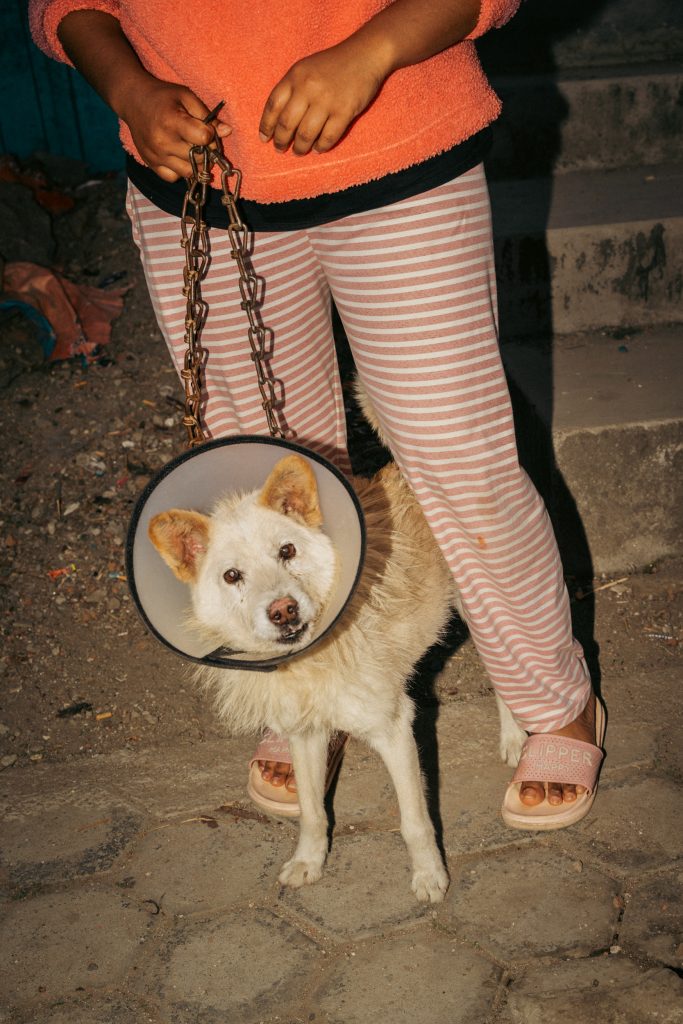
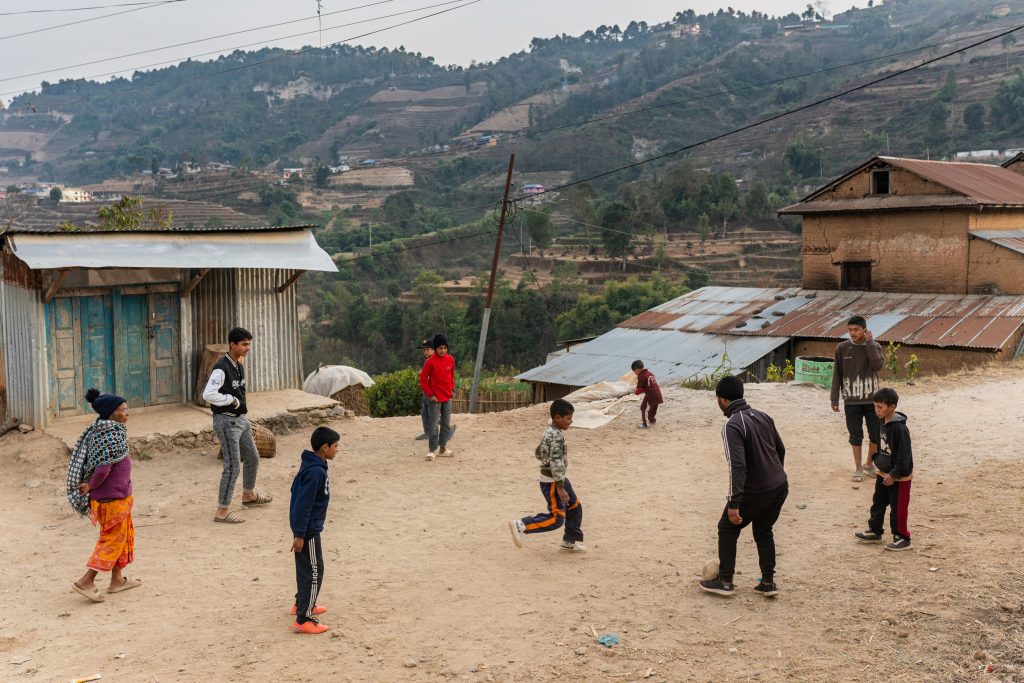
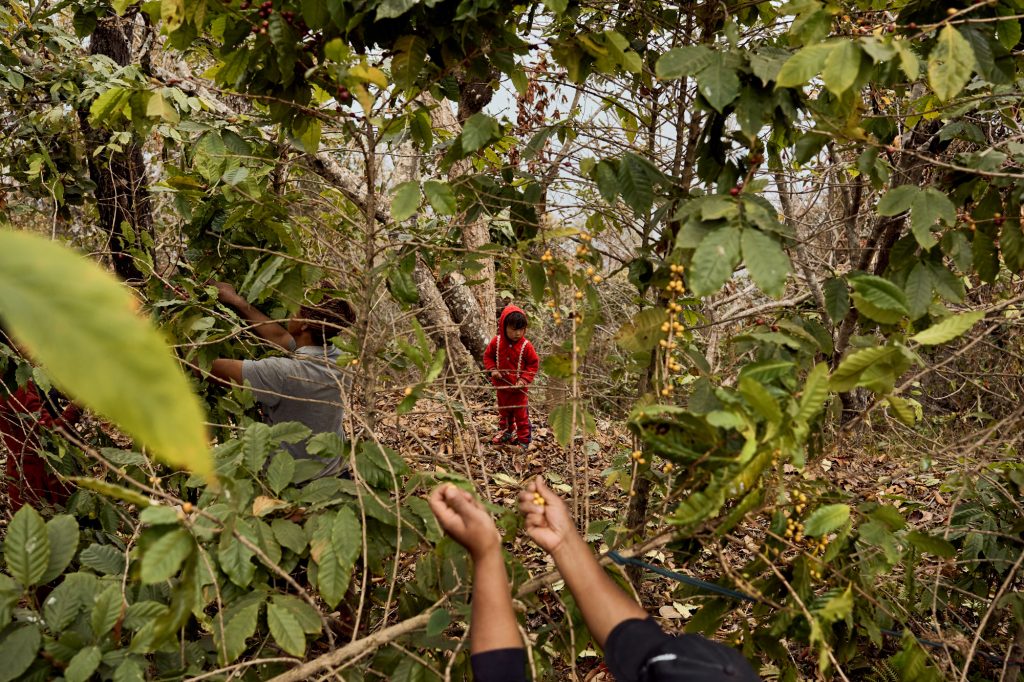
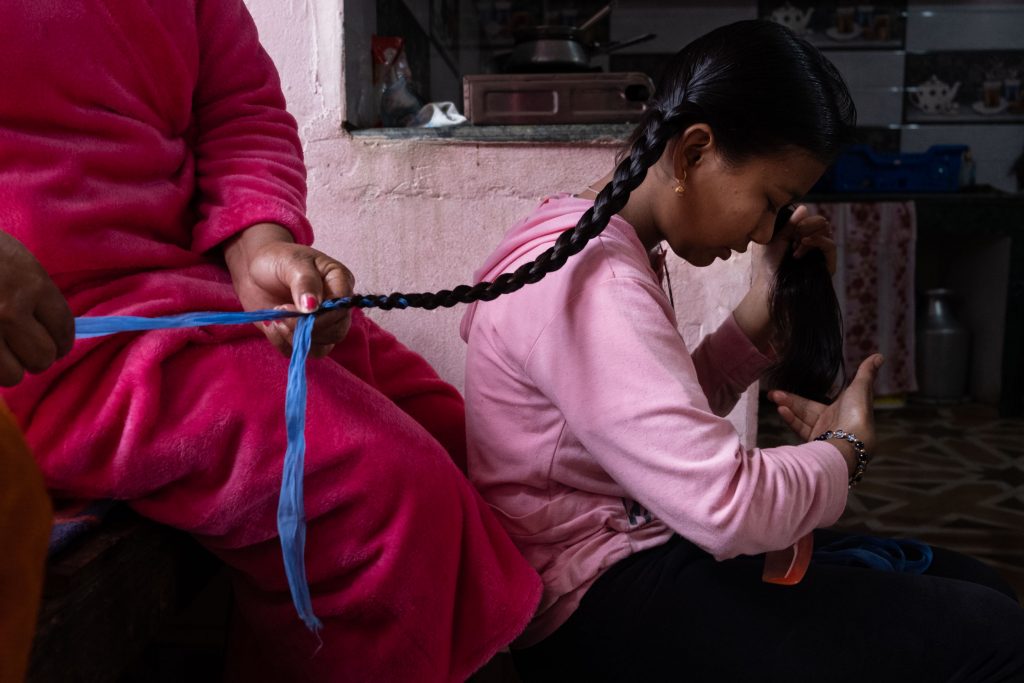
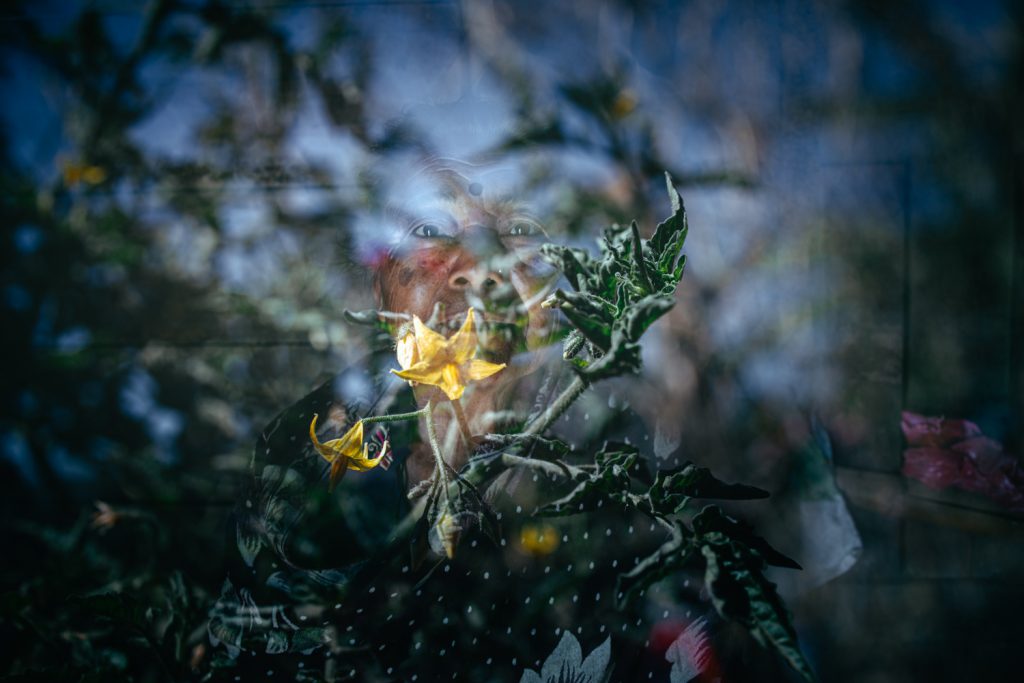
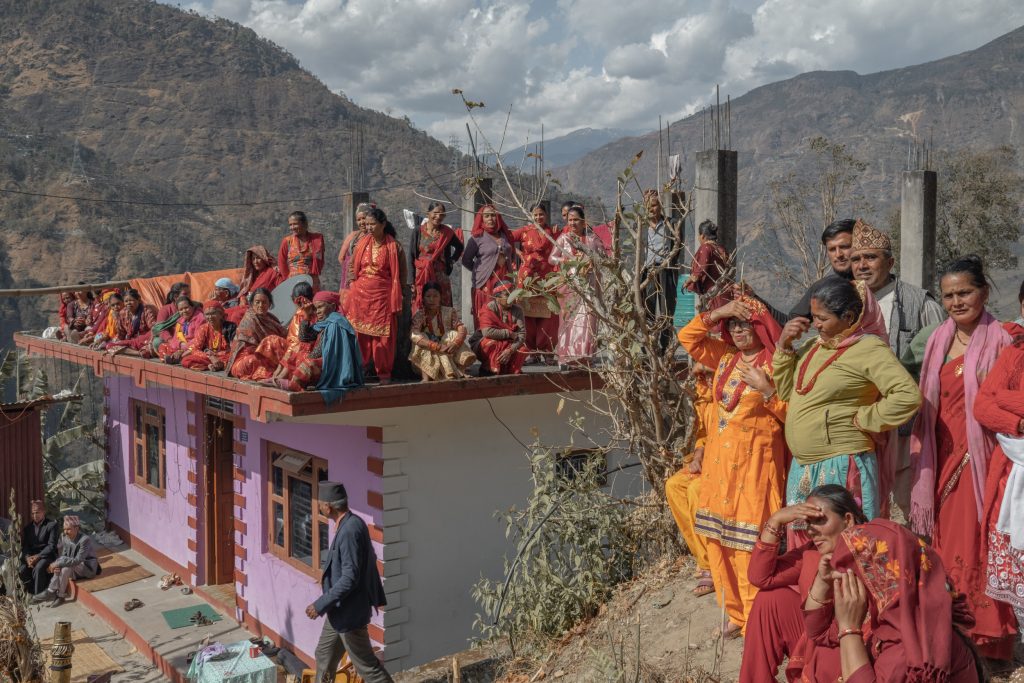
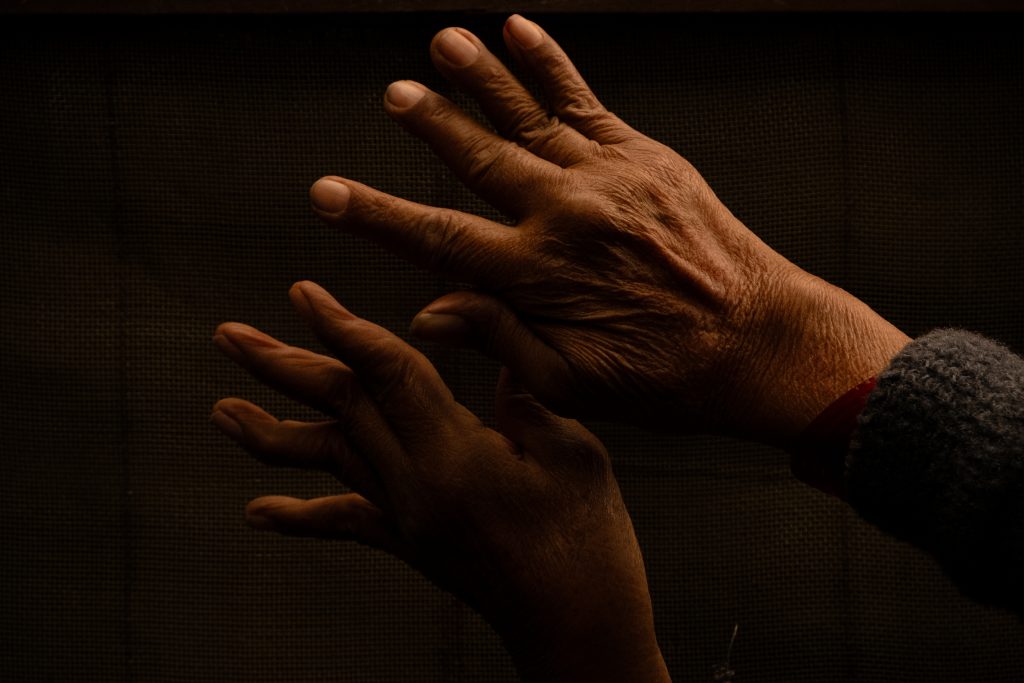
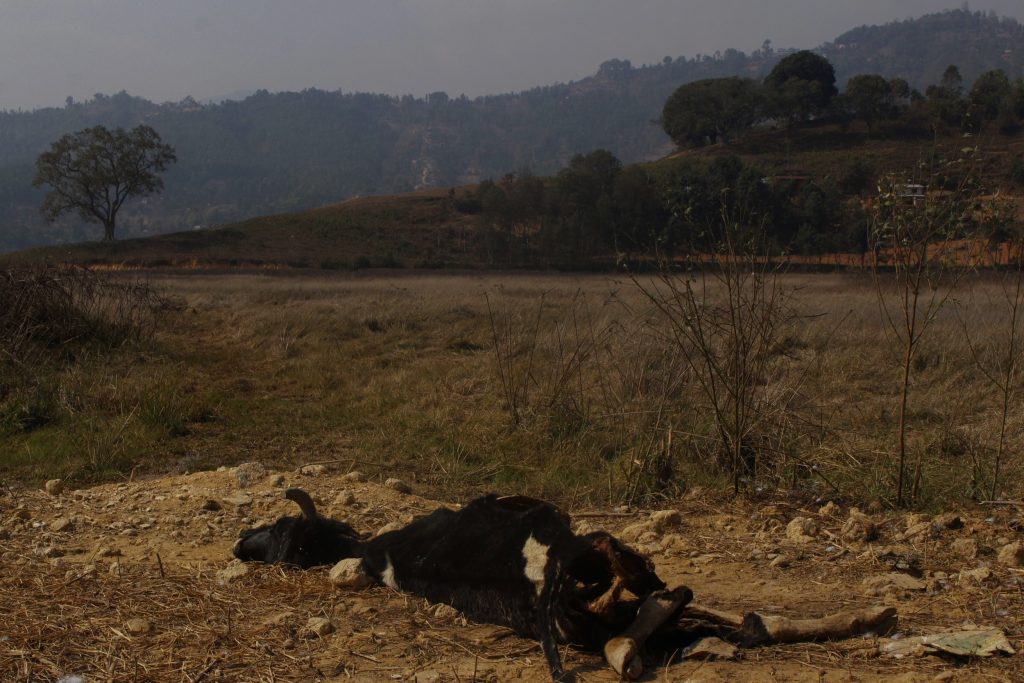
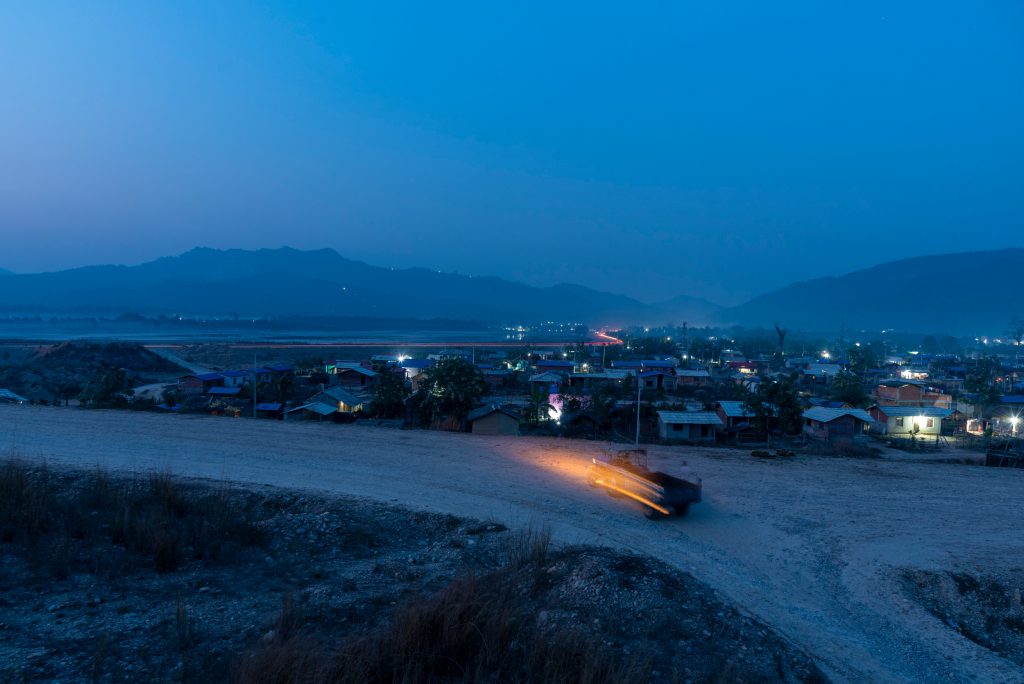
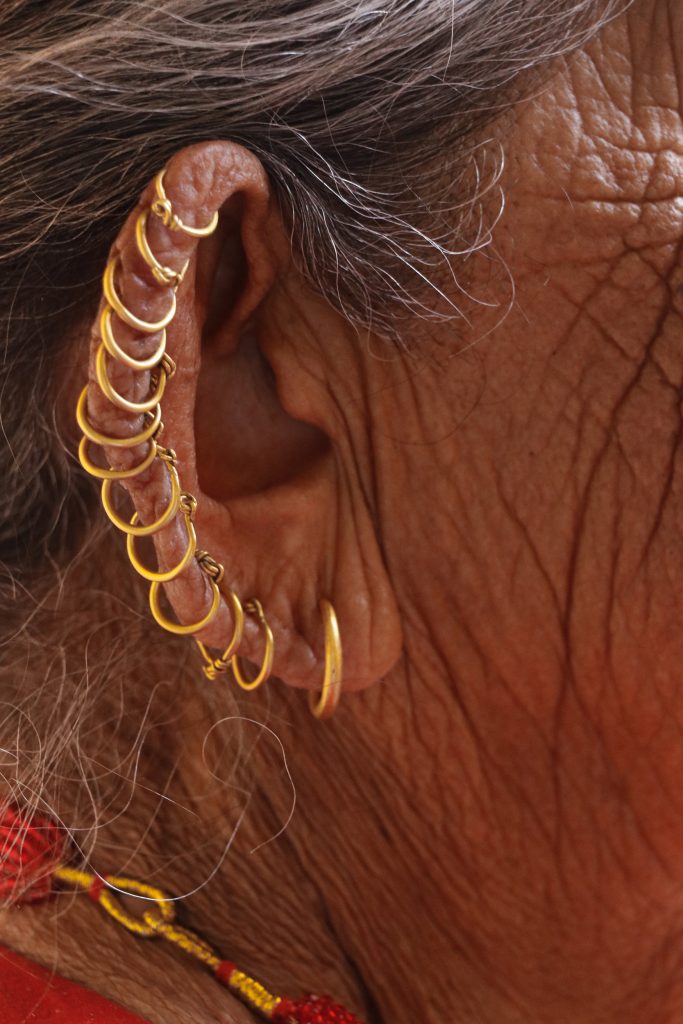
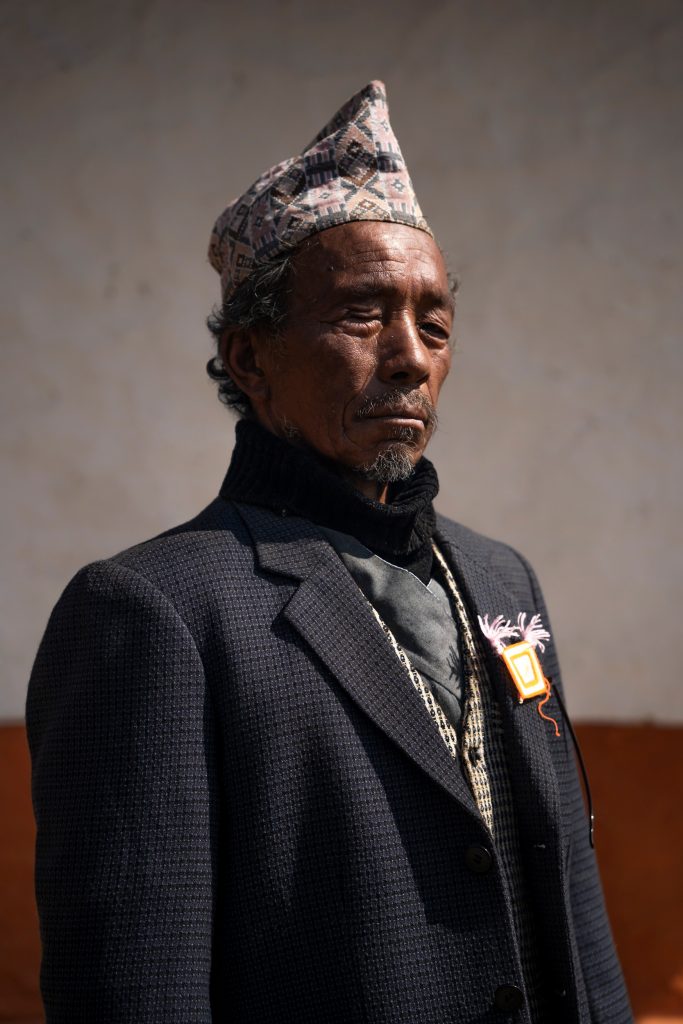
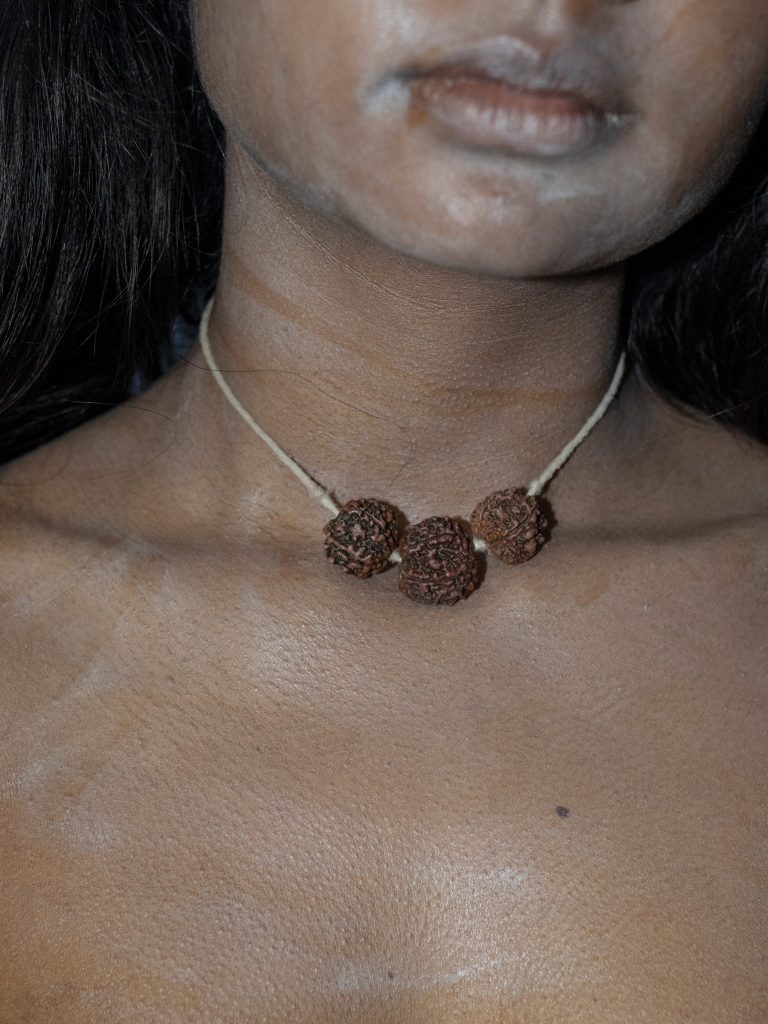
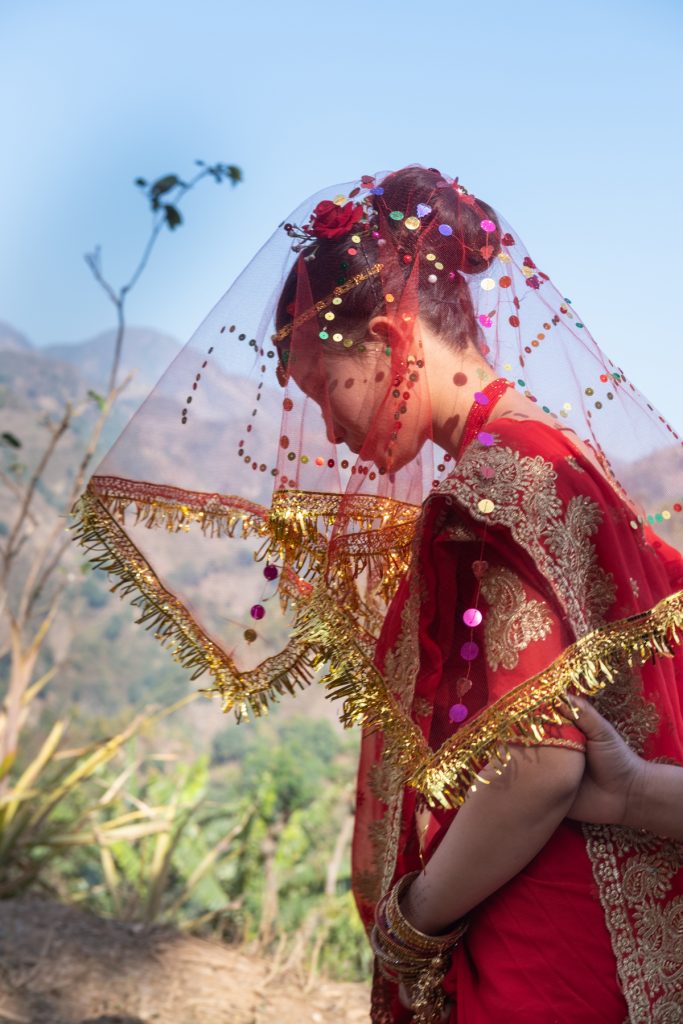
Photojournalism students and photographers from Bangladesh, Nepal and OsloMet have concluded a 6 week long training program in Nepal. Through workshops and field work the 24 students developed their skills in journalistic research, safety training, project development and photographic storytelling. The British Egyptian photographer Laura El-Tantawy (lauraeltantawy.com) contributed as teacher in the workshops.
Participants and mentors
The participants have worked on stories dealing with freedom of expression, climate change, gender and social issues. «It’s in our nature» is the main title for all the projects.
The students presented their work at the venue Yala Maya Kendra in Kathmandu and the projects will be published in a book and exhibited later in the spring.
Editing
The workshops are part of a long term cooperation between Pathshala South Asia Media Institute from Bangladesh (pathshalainstitute.org), photo.circle from Nepal (photocircle.com.np) and Photojournalism at Department of journalism and media studies at OsloMet.
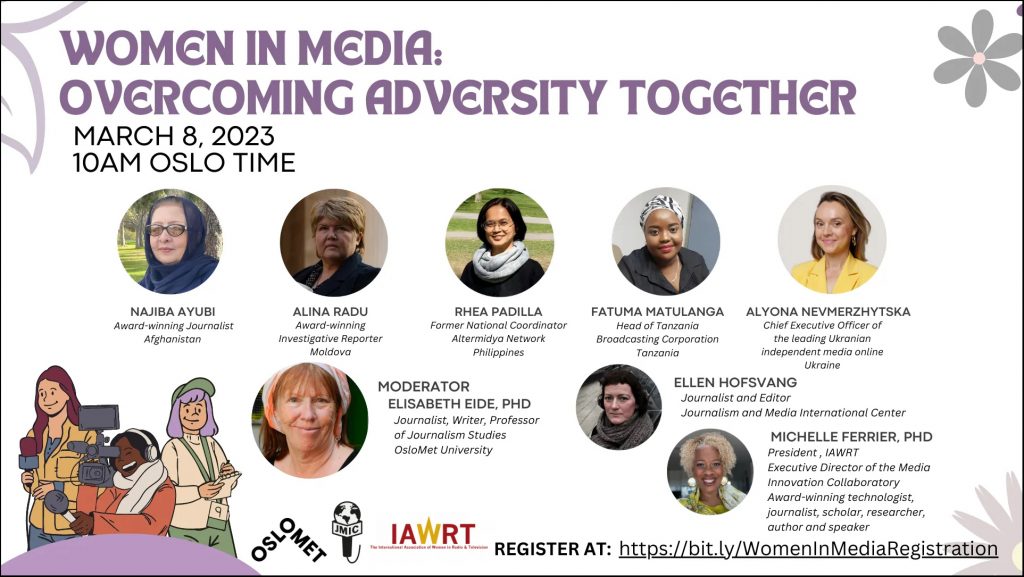
On March 8, 2023, on the historic 113th year of the International Women’s Day commemoration, women-journalists, media workers, and academics from across the globe met to share stories and and support each others in a common struggle
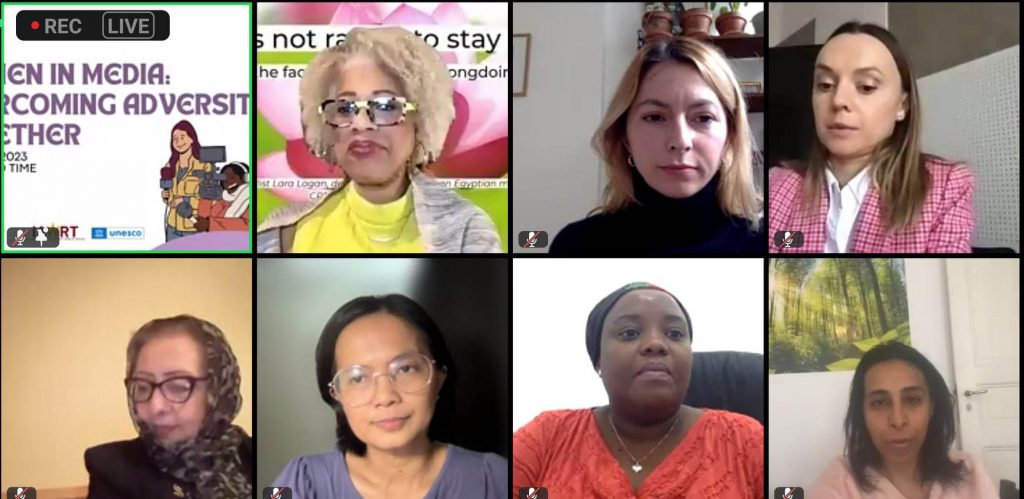
The online discussion-solidarity meeting aptly titled, Women in Media: Overcoming Adversity Together, was hosted by the International Association of Women in Radio and Television (IAWRT) in collaboration with Journalism and Media International Center of OsloMet University in Norway, and UNESCO Headquarters.
69 participants gathered to highlight their stories and honor their courage, heroism, and resilience. The webinar opened with an introductory message from IAWRT President Dr. Michelle Ferrier. Dr. Elisabeth Eide, journalist, writer, and professor of Journalism Studies at OsloMet University in Norway was the moderator.
Five principled and intrepid women journalists, namely, Najiba Ayubi (Afghanistan), Alina Radu (Moldova), Alyona Nevmerzhytska (Ukraine), Rhea Padilla (Philippines), and Fatuma Matulanga (Tanzania) lent their voices on behalf of their colleagues. Each of them shared how they and other women journalists in their respective countries bravely stood against and endured oppression, war, armed conflict, red-tagging, political persecution and incarceration, radicalization and extremism, online trolling, hate speech, physical and sexual assault, among other forms of abuse.
Najiba Ayubi is an Afghan multi-awarded journalist, and human rights and press freedom activist. She is a recipient of the 2013 Courage in Journalism Award from the International Women’s Media, and was named one of the 100 Information Heroes by Reporters without Borders (Reporters sans frontières) in 2014. She lamented how Islamic extremism has been oppressive and destructive to women journalists, and women, in general, since the Taliban returned to power. She cited thousands of Afghans who fled the country at all costs to preserve their life. Unfortunately, some lost their lives in an attempt to save it. One of whom is an asylum seeker and journalist Torpekai Amarkhel, who was onboard a fleeing boat that capsized near Italy. Ms. Ayubi is the head of IAWRT Afghanistan Chapter and is also in exile in the United States.
Another award-winning investigative journalist from Moldova and managing director of the country’s independent newspaper Zairul de Garda (The Guard Newspaper) is Alina Radu. She shared how women journalists in their country have been marginalized and isolated. Facebook (FB) or Metaverse is inaccessible in Moldova. Thus, she enjoined FB to be sympathetic to women journalists and provide them access to social media, which has been tightly controlled by the government. Ms. Radu currently heads IAWRT Moldova Chapter.
Prominent Ukrainian journalist Alyona Nevmerzhytska, Chief Executive Officer (CEO) of media outfit hromadske, explained that while their culture is not particularly oppressive to women, however, things went on a downward spiral since the Russian invasion in February 2022. The incessant air strikes and attacks on the country’s major cities triggered the exodus of around 5 million Ukraine nationals, mostly women and children. Those who remain in the country have to endure extreme living conditions and the ravages of war.
The Philippines’ Rhea Padilla, former National Coordinator of the People’s Alternative Media Network (Altermidya) deplored the red-tagging, political persecution, intimidation, and even killing of women journalists and media personalities. She raised the case of Tacloban City-based journalist and IAWRT member Frenchie Mae Cumpio, who has been in jail for over three years now for trumped-up charges of illegal possession of firearms and explosives, and terrorist financing. Ms. Cumpio was among the “Tacloban 5” human rights defenders who were raided and arrested at midnight of February 7, 2020. Her arrest and continued detention speak of insidious yet blatant attacks against journalists in the country, aimed at intimidating and silencing those who are critical in their reporting. Ms. Padilla then called on government authorities for the immediate release of Ms. Cumpio and colleagues.
Journalist Fatuma Matulanga is the CEO of Tanzania Broadcasting Corporation in Zanzibar and IAWRT Tanzania’s Chapter head. She shared how women in their country have been disproportionately represented in media. Most Media Studies graduates and professionals ended up as PR officers and spokespersons. Women have been marginalized and paid less than their male counterparts, and are in dire need of training and retooling.
Theresa Chorbacher of the United Nations Educational, Scientific and Cultural Organization (UNESCO) Paris talked about the organization’s mandate to work on press freedom and its various legal, policy-making, and capability-building initiatives to promote the safety of women journalists worldwide, and address the issue of impunity. In 2022, UNESCO published “The Chilling”, a report of a three-year intensive study on online violence against women journalists in 15 countries, conducted by researchers from the US-based International Center for Journalists (ICFJ) and the UK-based Centre for Freedom of the Media (CFOM). The report sheds light on the “evolving challenges faced by women journalists, identifies political actors as top perpetrators of online violence against women journalists using popular social media platforms, maps out the online-offline violence trajectory, and offers practical recommendations for intergovernmental organizations, States, Big Tech, the news industry, legal and judicial actors, and civil society”. Truly, the adversities faced by women journalists in and out of the newsroom may seem daunting and insurmountable. But we can overcome it if we unite and work together in this fight.
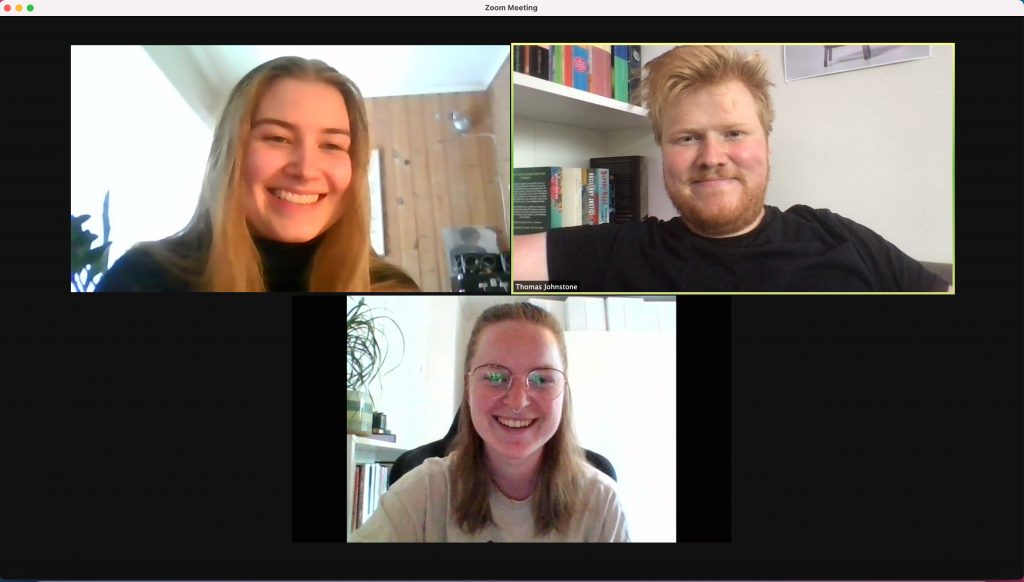
12:00 Intro by students and podcasters Thomas, Åsta, Stine
12:05 Video greeting from Rector at OsloMet
12:10 Jordan Gass-Pooré from CNN and WADUP:
WADUP a Mentorship Program and a Solution for a Global Journalist Model during Crises?
Jordan Gass-Pooré Jordan Gass-Poore’ is a CNN soundproducer. She is an expert on podcast production and investigative journalist with more than a decade of experience in the industry in the US and UK. Jordan is the co-founder of the women-led local news podcast, Local Switchboard NYC. She is also a story coach with WADUP, an international storytelling collective run by young people and creative producers. An alumna of City, University of London’s investigative journalism program, Jordan co-founded the campus radio station, Carrot Radio.
4. 13:00 Craig Templeton from The Guardian Masterclass
Craig Templeton Craig is an audio journalist, documentary maker, radio producer and the co-founder of Tempo & Talker. For nearly 20 years he has made audCio content for BBC Radio – and managed audio projects for The Guardian, The Economist and the Royal Society of Arts. He has also produced podcast series for some of the biggest bands to come out of the UK, including Pink Floyd, Oasis, and Joy Division/New Order. His documentary work for the BBC covers a broad range of subjects. Amongst others a programme made during the first UK lockdown on the consequences of our response to Covid-19. Craig once spent an afternoon in Woody Allen’s private screening room in Manhattan. He seemed very tired.
5.14:00 Jo Healey from BBC
Interviewing During Trauma – The Need for Sensitivity During Crises
Jo Healey Jo Healey has covered people’s highly sensitive stories for more than thirty years. She was a reporter for newspapers and radio before moving to BBC TV, becoming a senior news journalist. There she devised and introduced Trauma Reporting training for journalists. She is the author of Trauma Reporting, A Journalist’s Guide to Covering Sensitive Stories. The founder of Trauma Work, Jo now trains journalists and media teams all over the world in how best to work with victims, survivors and vulnerable interviewees. (website: www.traumareporting.com)
6. 15:00 Aryana Noroozi Pulitzer Prize Fellow
Covid-19 up-close – visual storytelling during times of crisis
Aryana Noroozi Aryana Noroozi is a visual storyteller, photojournalist, and digital artist who earned her master’s degree at The Columbia Graduate School of Journalism. Her work has been featured in the San Diego Union-Tribune and the Los Angeles Times. Aryana worked as a Migration and Refugee Fellow at The GroundTruth Project where she discovered her passion for solutions- journalism. Aryana utilized this reporting along with documentary photography to cover education within and the representation of San Diego’s refugee communities during COVID-19. Most recently, her photography and writing focus on overcoming the odds of addiction in the American Midwest.
7. 15:45 Conclusion – a Global Goodbye by OsloMet students: Thomas, Åsta & Stine
In the middle of the pandemic three students started working together with Dr. PhD Maria Konow Lund, Associate Professor at Department of Journalism and Media Studies at OsloMet, on a podcast that explores the risks within journalism. The global Covid-19 pandemic was the spark that set the wheels in motion
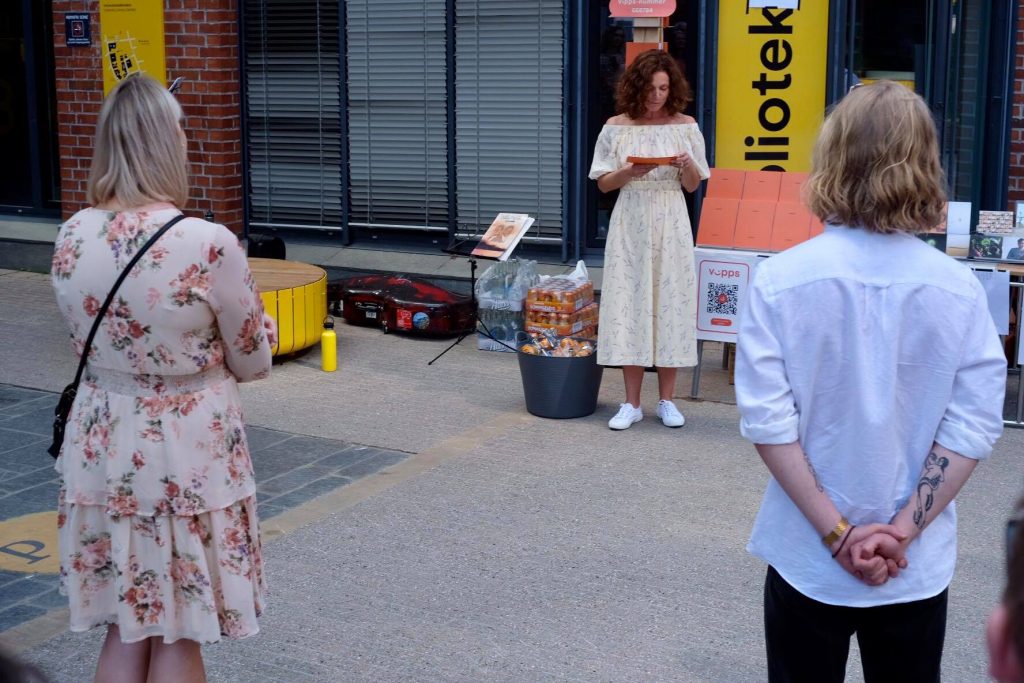
Photos: Jon Petter Evensen Teacher Ellen Lande Gossner giving a celebration speech to her students.
The International Storytelling Program with photojournalist students from Nepal, Bangladesh and Norway has come to an end with the opening of the exhibition and book launch at OsloMet campus, Friday June 4.
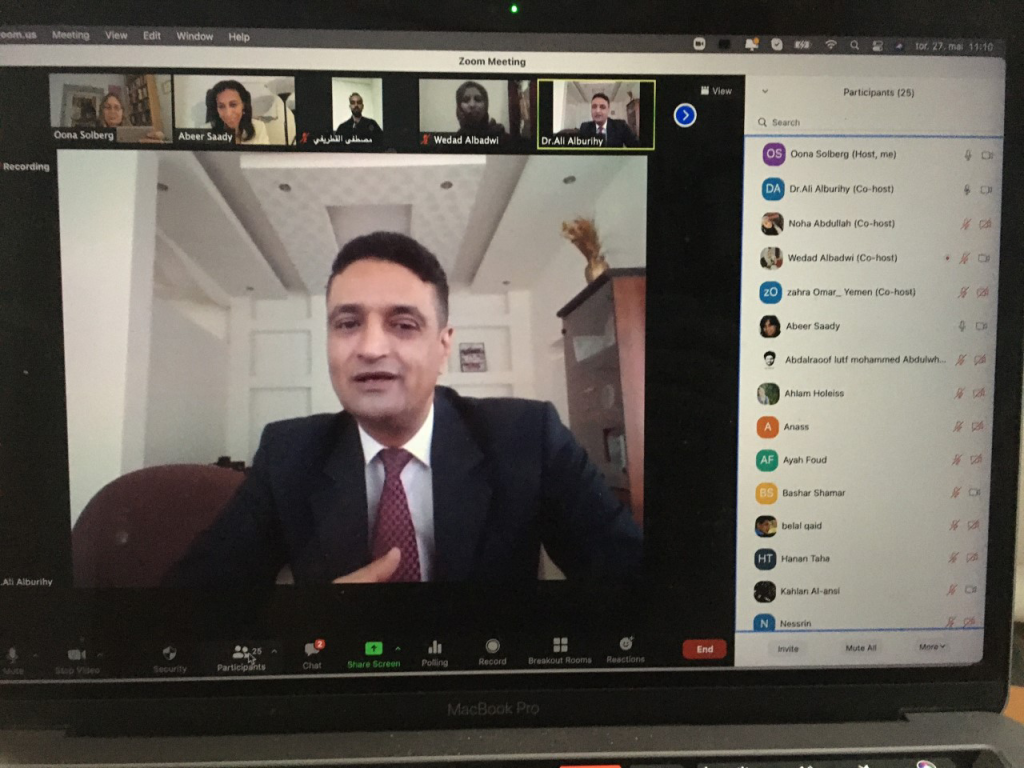
Dr. Ali Al-Burihy, Professor of media and communication at Sana’a University
Sana’a University in partnership with the Cultural Media Center (CMC) organized a special webinar for Yemeni journalists together with JMIC 27 May 2021.
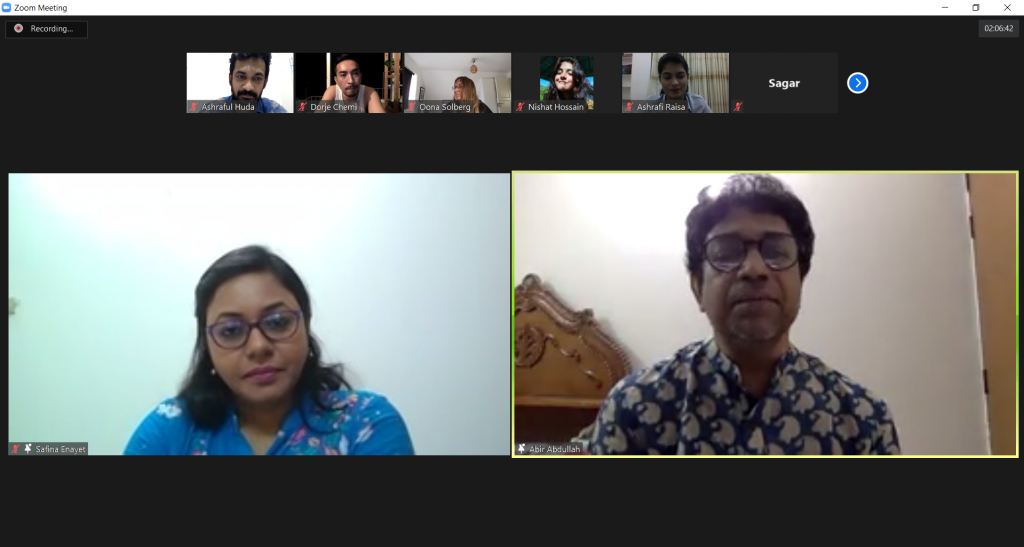
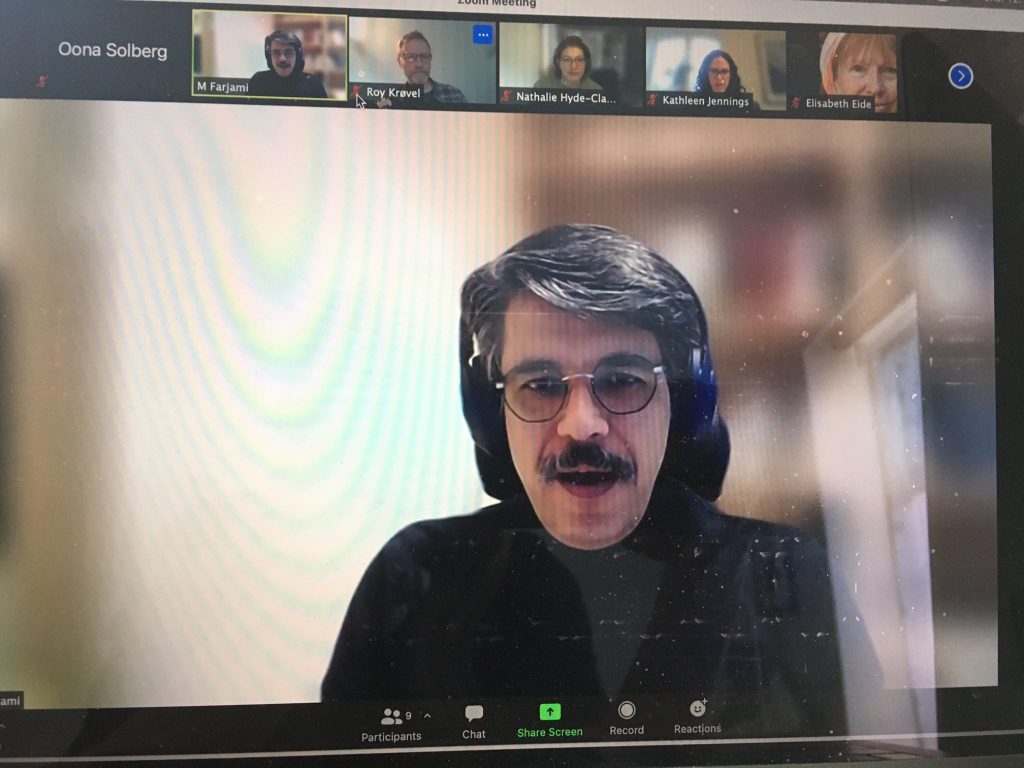
Iranian scholar Dr. Mahmud Farjami spoke about Humour in Islam on zoom at OsloMet 12 May 2021.
At the seminar he presented his soon to be completed research article, Self-Mockeries of a Mullah. A look on the humorous autobiography of Aqa Najafi Quchani (1878-1943). He has continued his long-standing research into Humour in Islam in addition to presentations at conferences and teaching.