Pandemics & Society Webinar 19 March, “Long COVID as Disability in Higher Education”.

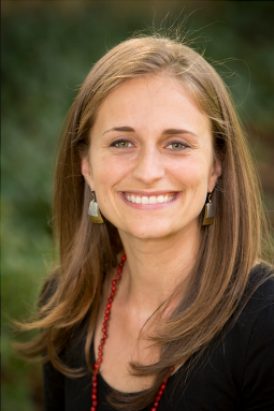
For the seventh Pandemics & Society Seminar of our Spring 2026 series we are pleased to welcome Abigail Dumes (University of Michigan). The seminar will be held on Thursday, 19 March at the normal time (16:00 CEST). More information about our speaker and the presentation is below. You can sign up for email notifications about the seminar series, including the Zoom details, here.
About the talk:
Since the onset of the COVID-19 pandemic, an estimated 400 million people worldwide have had Long COVID, a term that describes a range of often disabling symptoms that persist for at least three months after the acute phase of COVID-19 (Al-Aly et al. 2024). In the US alone, federal survey data reveal that around 5.3 percent of all US adults—or 13.7 million people—are “currently experiencing Long COVID” (National Center for Health Statistics 2024). Due to its potential to significantly disrupt activities of daily living, Long COVID can qualify as a disability under the Americans with Disabilities Act, and emerging research has shown that Long COVID disproportionately affects individuals with preexisting disabilities (Cohen and Rodgers 2024). Survey data suggests that there is a correlation between Long COVID and “increased odds of work loss” (Venkatesh et al. 2024), but much less is known about the lived experience of Long COVID and disability in the context of work, particularly among higher education employees. In this paper, I discuss early qualitative data from a multiphase, multidisciplinary mixed methods project focused on University of Michigan-Ann Arbor faculty and staff with Long COVID to begin to shed light on the relationship between Long COVID, work, and disability and to map out a future for more equitable workplace accommodations.
About the speaker:
Abigail Dumes is a medical and cultural anthropologist and an associate professor of Women’s and Gender Studies at the University of Michigan whose research explores the intersectional dimensions of complex chronic conditions. Her first book, Divided Bodies: Lyme Disease, Contested Illness, and Evidence-Based Medicine, was published by Duke University Press in 2020, and she is currently conducting research on Long COVID, work, and disability among University of Michigan-Ann Arbor faculty and staff.