State and Society
Under Pressure:
Internal and
External Dynamics
UKRAINETT+ Conference 2026
UKRAINETT+ CONFERENCE IN UKRAINE STUDIES 2026
Save the dates for the next annual UKRAINETT+ Conference, titled “State and Society Under Pressure: Internal and External Dynamics,” hosted by OsloMet on 11–12 November 2026.
The conference is financed with support from the Research Council of Norway and the Norwegian Directorate for Higher Education and Skills (HK-Dir).
This year we marked four years since Russia launched its full‑scale invasion of Ukraine, and twelve years since Russia annexed Crimea and began its war in Eastern Ukraine. During this entire period, but particularly since 2022, national and local authorities in Ukraine—as well as Ukrainian society as a whole—have had to cope with several crises simultaneously unleashed by the war. These crises come on top of the serious challenges Ukraine faces even without war.
Foreign support is crucial for the ability of Ukraine to maintain its defence and to succeed in rebuilding after the damage inflicted on the country by Russia. However, the international environment has changed significantly over the last few years and has become more unpredictable. These shifts influence how willing and able other states are to support Ukraine “for as long as it takes”.
At this fourth UKRAINETT conference, we invite experts and scholars to explore key challenges currently facing Ukraine’s state and society under continued and multifaceted pressure. The conference will address both the external dynamics shaping Ukraine’s position in an evolving international arena, and the internal developments and transformations unfolding within the country.
We welcome papers from different disciplines within the social sciences and humanities addressing these or other relevant topics:
- Ukraine and the changing international order
- Foreign support for Ukraine: political, economic and military dimensions
- Democratic resilience and governance
- Political parties, political leadership and elite dynamics
- Social cohesion, identities and emerging social cleavages
- Local governance, municipalities and regional resilience
- War, displacement and migration: refugees, internally displaced persons and return
- Economic transformation, labour markets and reconstruction
- Civil society, volunteering and societal mobilisation
- Media, information warfare and narratives about the war
- Justice, accountability and post-war recovery
- Politics of memory
- Cultural resistance and recovery
The 2026 UKRAINETT conference consists of two parts. The first part will also be open to a larger audience of decision-makers and stakeholders. The second part is an ordinary academic conference with panel sessions. Two of the main keynotes will be held at the open part. This is primarily an in‑person conference, but we will provide streaming for the first, open section of the event.
Preliminary program
Day 1
WEDNESDAY 11 NOVEMBER
OPEN CONFERENCE WITH KEYNOTES AND INVITED EXPERT PANELS
- 09.00 – 09.15: Welcome
- 09.15 – 09.30: Speech TBA
- 09.30 – 09.50: Keynote by Oleksiy Haran
- 09.50 – 10.35: Panel 1. Ukraine in an international perspective (Preliminary title)
Moderator: Karen-Anna Eggen
Confirmed panelists: Oleksii Haran, Tor Bukkvoll, TBA, TBA. - 10.35 – 10.55: Coffee break
- 10.55 – 11.15: Keynote by Olga Onuch
- 11.15 – 12.00: Panel 2. Shifting Political and Social Landscapes in Ukraine (Preliminary title)
Moderator: Martin Paulsen
Confirmed panelists: Olga Onuch, Yuliya Yurchuk, Jørn Holm-Hansen, Tymofii Brik
ACADEMIC CONFERENCE CONTINUES
- 12.00 – 13.00: Lunch
- 13 – 14.30: Panel session 1.
- 14.45 – 16.15: Panel session 2.
- 19.00: Conference Diner
Day 2
THURSDAY 12 NOVEMBER
- 09.00 – 09.45: Keynote Yuliya Yurchuk
- 09.45 – 10.00: Coffee break
- 10.00 – 11.30: Panel session 3
- 11.30 – 12.30: Lunch
- 12.30 – 14.00: Panel session 4
- 14.00 – 14.15: Coffee break
- 14.15 – 15.45: Panel session 5 / Start-up for scenario workshop
- 15.45 – 16.00: Coffee break
- 16.00 – 16.30: Closing session. Announcements. UKRAINETT-conference 2027
More information will be shared on our website as the program develops, stay tuned for updates.
Keynote speakers
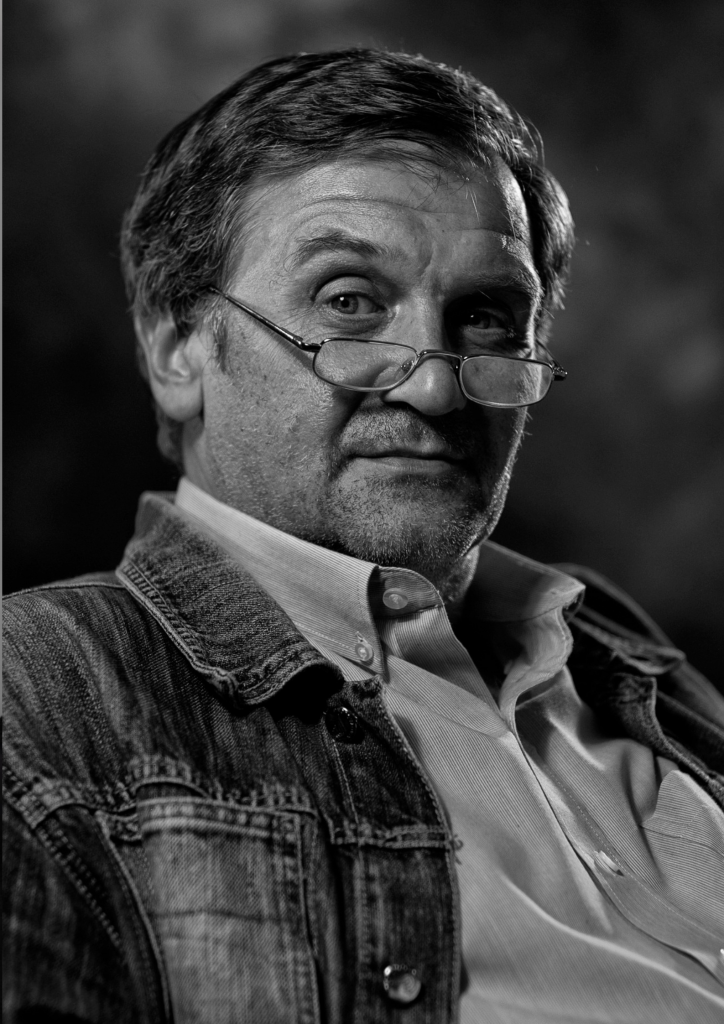
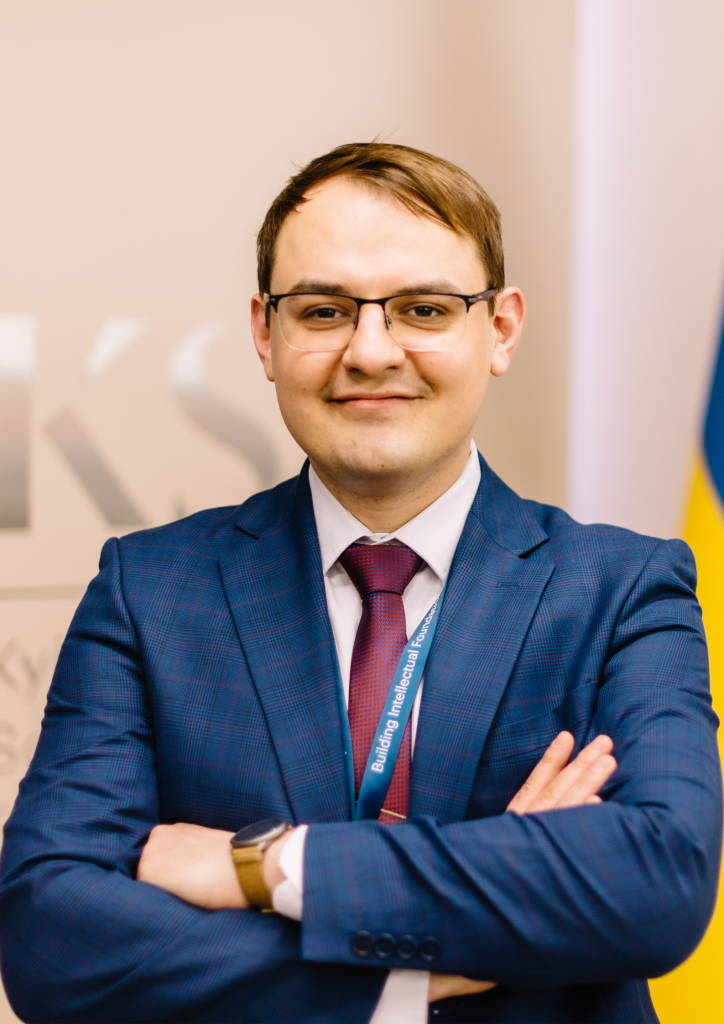
Oleksiy Haran is a Professor of Comparative Politics at the University of Kyiv‑Mohyla Academy, where he served as Dean and was the founding organizer of the Faculty of Social Sciences from 1991 to 1993. He is also a Research Advisor at the Ilko Kucheriv Democratic Initiatives Foundation. The Foundation’s 2004 exit poll revealed electoral falsifications and helped spark the Orange Revolution. Haran’s latest book is From Brezhnev to Zelensky: Dilemmas of a Ukrainian Political Scientist (2021).
In winter 2013-2014, Haran was a member of the Council of ‘Maidan’. In 2014-2017, as a political scientist, he spent two months at the frontline near Mariupol, Luhansk, and Donetsk airport. For fifteen years, he was a member of the Public Council under the Ukrainian MFA.
In 2021, US-Ukraine Foundation awarded Prof. Haran as one of “30 Stars of Ukraine”, representing the country on the world stage. In 2023, he was awarded British Empire Medal by King Charles III for contribution to the UK – Ukraine strategic partnership.
Olga Onuch (DPhil Oxon, 2011) is Professor (Chair) in Comparative and Ukrainian Politics at the University of Manchester (UoM), making Onuch the first-ever holder of a Full Professorship in ‘Ukrainian Politics’ in the English-speaking world. She is the author of Mapping Mass Mobilisation and The Zelensky Effect.
Onuch is an internationally leading scholar of comparative Ukrainian and more broadly central and east European (CEE) and Latin American (LA) politics. She is particularly well regarded for her work on democratic engagement, quality, resilience, backsliding, and democratic duty and civic identity. Thus, her research combines themes from comparative politics, political behaviour, and public opinion on and citizen engagement in geopolitics and international relations. In a recent series of works she has examined the pull and push factors associated with support for stronger relations with autocratic [Russia] and democratic [EU] powers in central and eastern Europe (Poland, Ukraine and Belarus) and Latin America (Argentina).
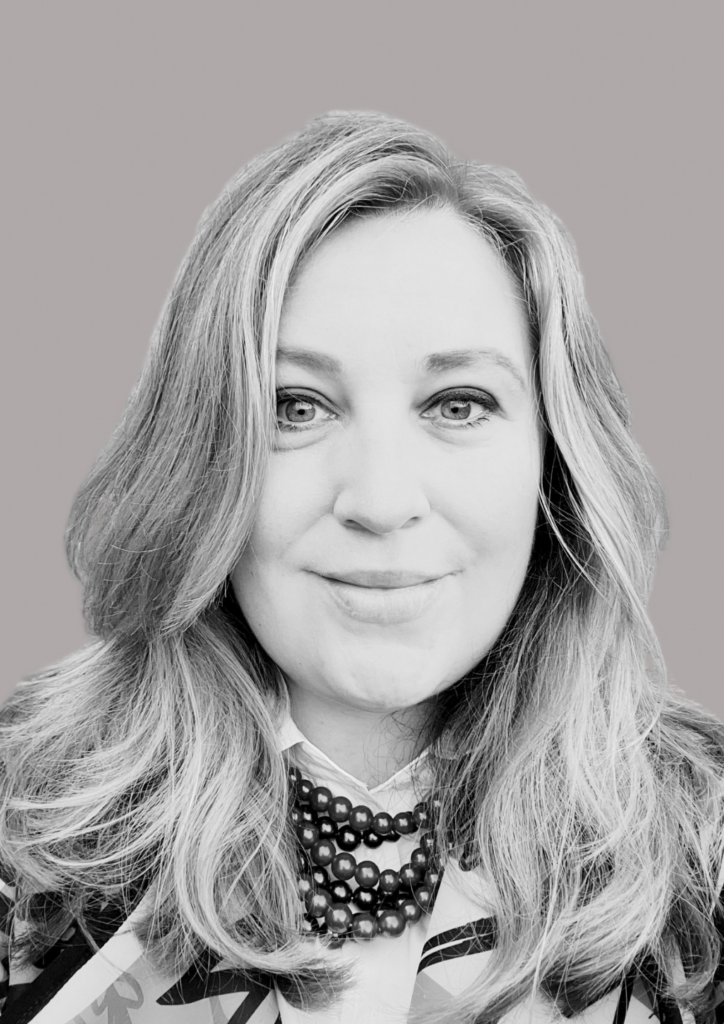
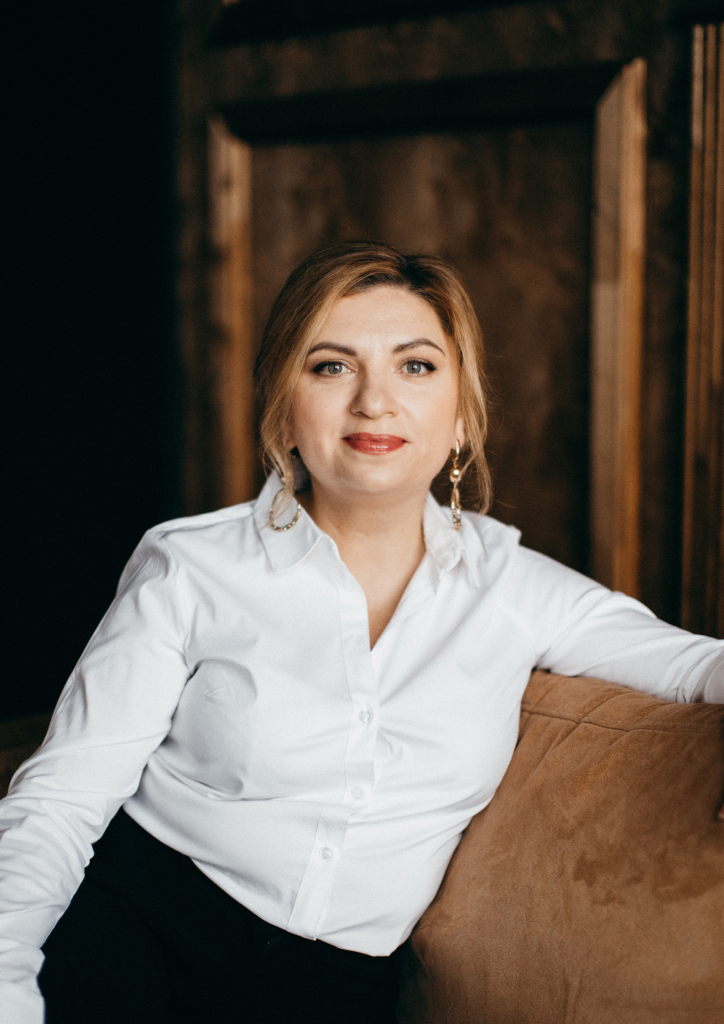
Yuliya Yurchuk is Associate Professor of History of Ideas at Södertörn University, Sweden. She specializes in memory studies, transnational intellectual history, history of religion, and the study of nationalism in East European countries. She is the author of the book Reordering of Meaningful Worlds: Memory of the Organization of Ukrainian Nationalists and the Ukrainian Insurgent Army in Post-Soviet Ukraine (Acta 2014) and one of the editors of “Memory and Religion from a Postsecular Perspective” (Routledge, 2022, co-edited with Zuzanna Bogumil). Her articles have appeared in Memory Studies, Nationalities Papers, e-flux, Topos, Nordisk Østforum, Baltic Worlds, Ukraina Moderna, Dwotygodnik, ReVisions, Korydor. She also translates Swedish literature into Ukrainian and is an author of the book “Sweden: a model kit” (Vihola, 2023, in Ukrainian).
Expert panel participants
Tor Bukkvoll (PhD) is a Senior Research Fellow at the Norwegian Defense Research Establishment. He is a specialist in Russian and Ukrainian security and defense policies. Bukkvoll has been a visiting research fellow at the University of Oxford (2008) and the Naval Postgraduate School in Monterey, California (2019-2020). Among his latest publications are: “Failures in Ukrainian Arms Procurement 2014-2023 – The Negative Effects of Limited Access Orders (LAOs) on National Security, (2024) Communist and Post-Communist Studies and Spetsnaz – A History of the Soviet and Russian Special Forces, 2024, University Press of Kansas.
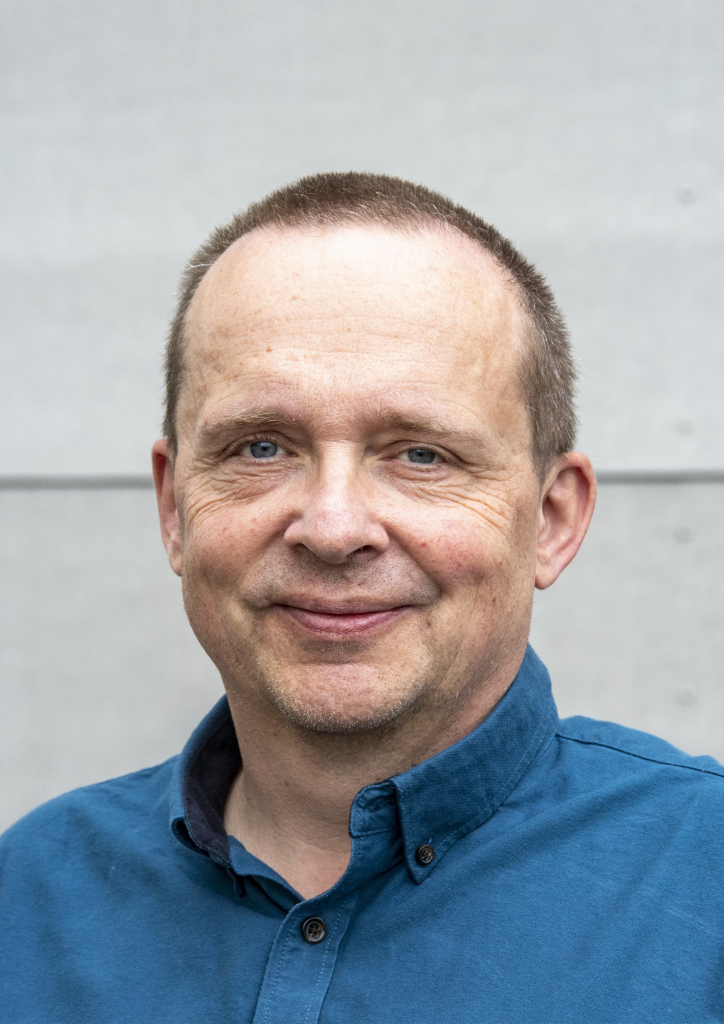
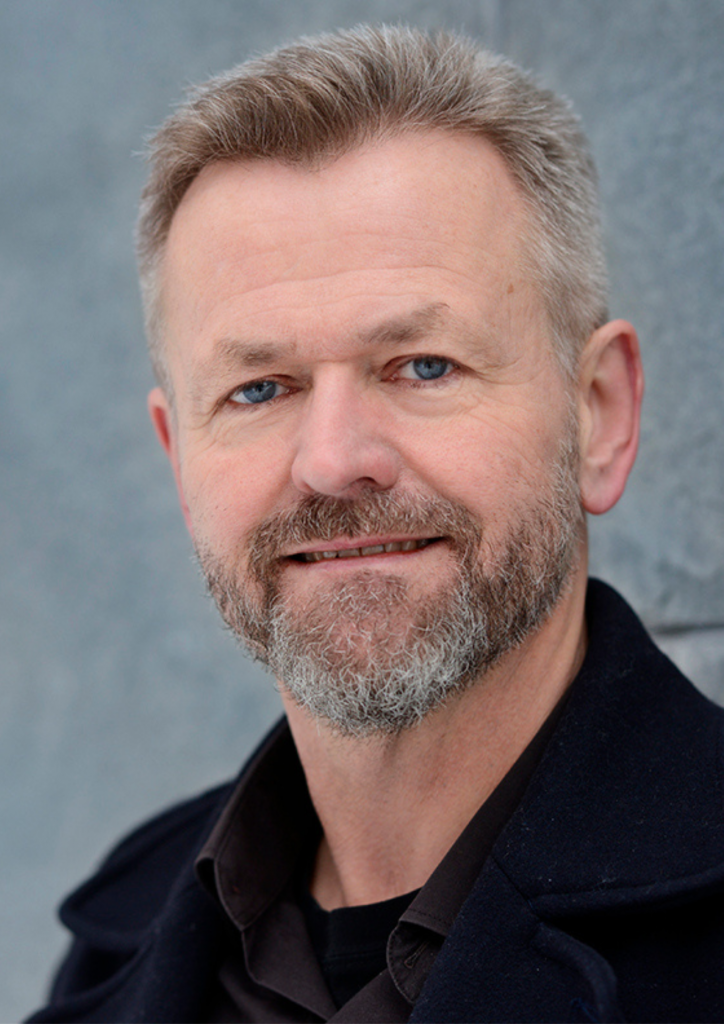
Jørn Holm-Hansen (PhD) is a political scientist and senior researcher at the Norwegian Institute for Urban and Regional Research at Oslo Metropolitan University. His main academic field of work is politics and reforms in East and Central European states, notably Russia, Ukraine and Poland. Holm-Hansen is currently leading a project on working life and trade union organisation in Ukraine. Recently, he conducted a study of Ukrainian policies for refugee return. He has previously participated in a research project on regional tensions and cohesion in Ukraine. At times, Holm-Hansen also do applied research, mainly evaluations of development aid and democracy support. As part of this area of work, he has evaluated the Norwegian support to democratization through schools in Ukraine.
Tymofii Brik is the Rector of the Kyiv School of Economics and the National Coordinator of the European Social Survey in Ukraine. He received a PhD in Social Science from Carlos III University of Madrid, an MSc in Sociology from Utrecht University, and a degree in Sociology from Taras Shevchenko National University of Kyiv.
Between 2018 and 2023, he held visiting positions at Northwestern University, New York University, and Stanford University. In 2022–2024, he was a non-resident visiting fellow at the London School of Economics and the University of Massachusetts. His papers have appeared in Governance, Journal of Comparative Economics, Problems of Post-Communism, East European Politics, and Sociology of Religion. His article “When Church Competition Matters?” published in Sociology of Religion received the N. Panina Award in 2018
Panel moderators
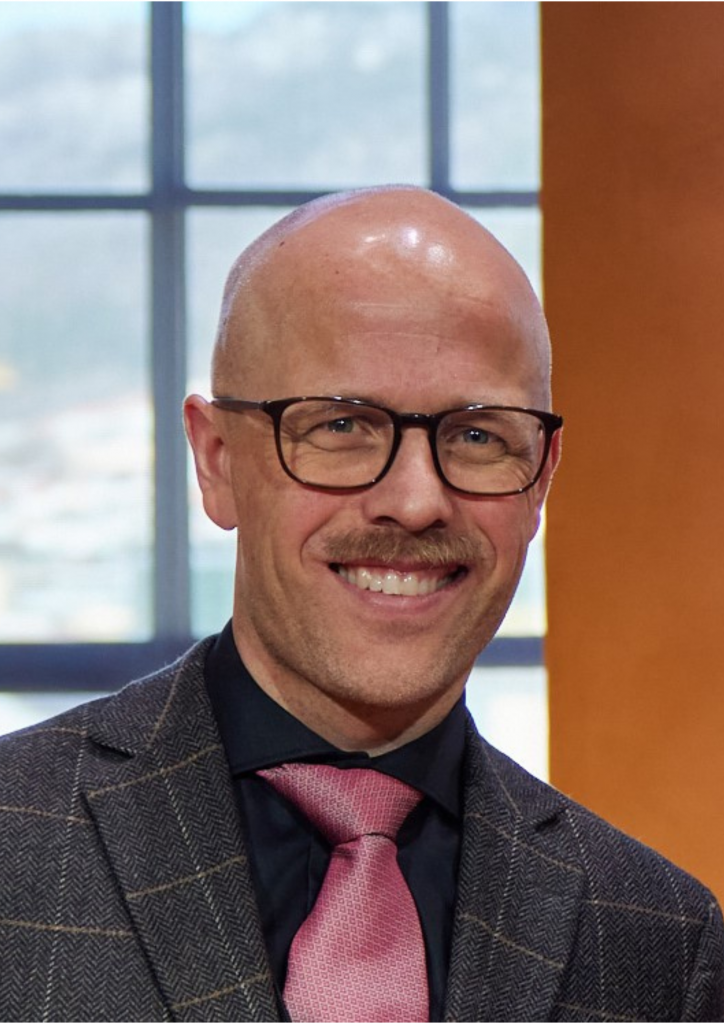
Martin Paulsen holds a PhD in Russian from the University of Bergen, where he currently serves as head of the department of foreign languages. He has been a member of the steering group for Ukrainett since its launch in 2022. His research focus on contemporary development in the Eastern Slavic world, including language ideology, sociology of literature and cultural development. Paulsen is an active translator, and his most recent book publication was a translation into Norwegian of Oksana Zabuzhko’s The longest journey, in 2022.
Karen-Anna Eggen is a Senior Research Fellow at the Norwegian Institute for Defence Studies, where she heads the Programme on Ukraine and Full-Spectrum Threats. She recently submitted her PhD at the University of Oslo on Russian strategy, information confrontation, and the use of other unconventional instruments. Her research interests also include European and transatlantic security, the Nordic region and the High North, as well as hybrid threats.
She has previously worked as an advisor at the Norwegian Atlantic Committee and held various positions at the Norwegian Consulate General in St. Petersburg, Russia. She is one of the founders of Stratagem, an online platform for expert-based discussion on defence and security policy. She currently serves on the boards of both the Gunnar Sønsteby Memorial Fund and the Human Rights House Foundation.