Skip to content

FOOD2GATHER

Toggle menu
  • Home
  • About FOOD2GATHER
    • Research
    • Resources
    • FOOD2GATHER Fellows
    • Research team
      • Belgium
      • France
      • Germany
      • Italy
      • Norway
      • The Netherlands
  • Scientific publications
  • Podcasts and photos
    • Podcasts
    • Collective photo exhibition
    • Photo exhibition France
  • Hybrid Forum
    • Hybrid Forum Norway
    • Hybrid Forum Netherlands
    • Hybrid Forum Belgium
    • Hybrid Forum France
    • Hybrid Forum Italy
    • Hybrid Forum Germany
  • Blog

Gallery food to gather

Back to the main photo exhibition
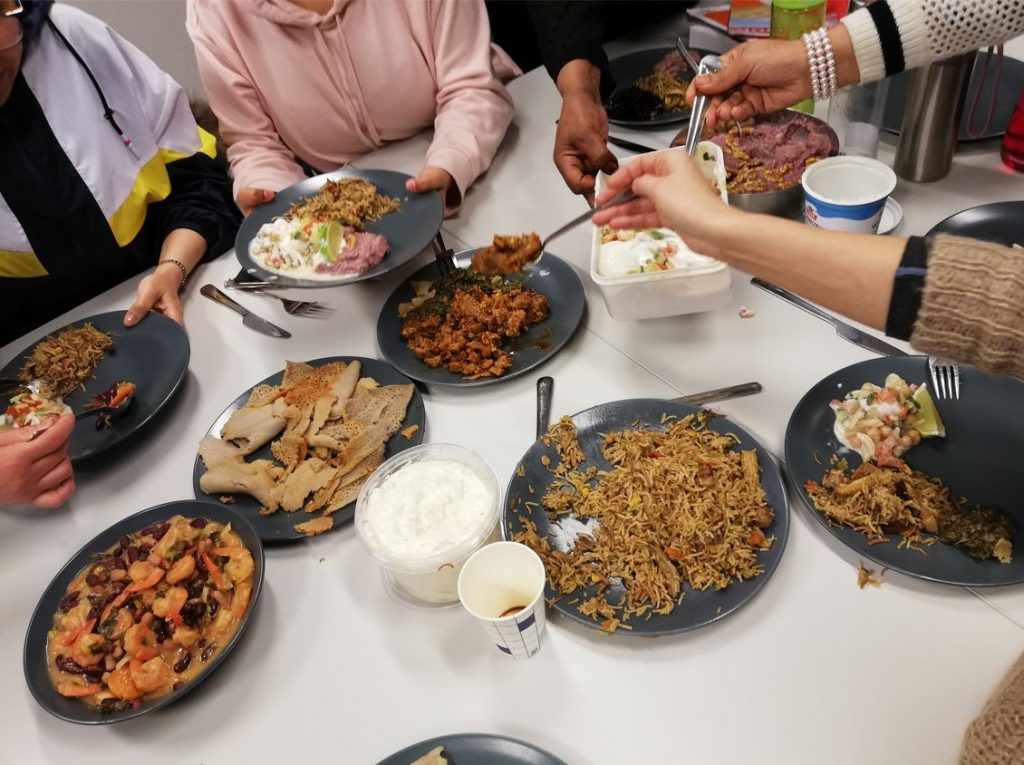
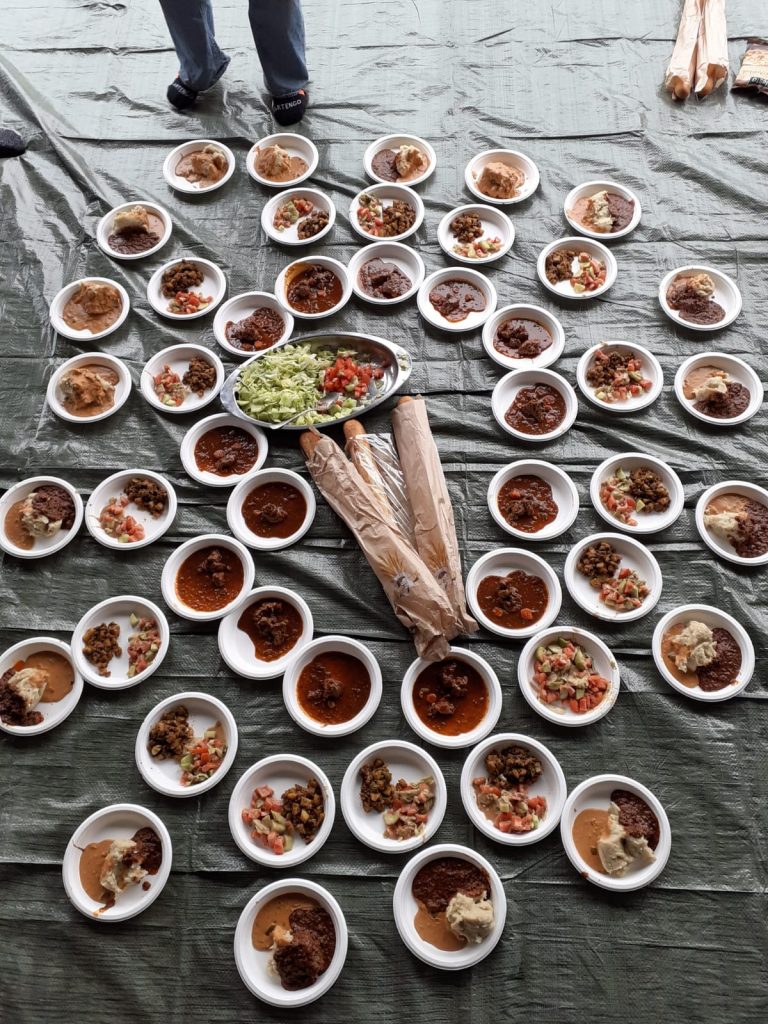
Plates with foods and people serving themselves. 
Credit Laura Terragni
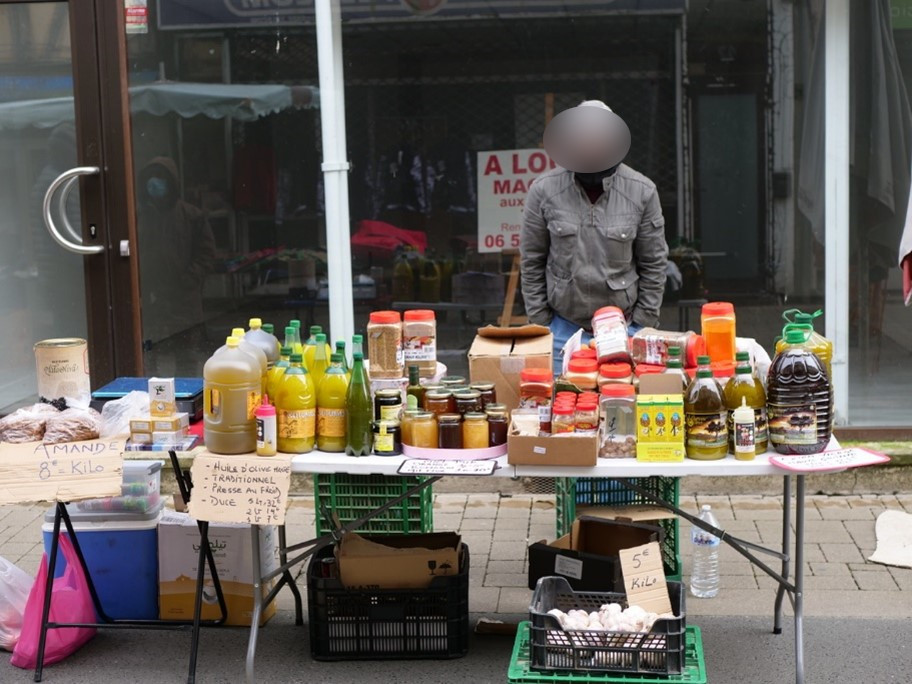
Sahraouis asylum seeker becoming a merchant of so called “organic food” from Spain in the rural town of Ste-Foy-La-Grande. Credit: Chantal Crenn
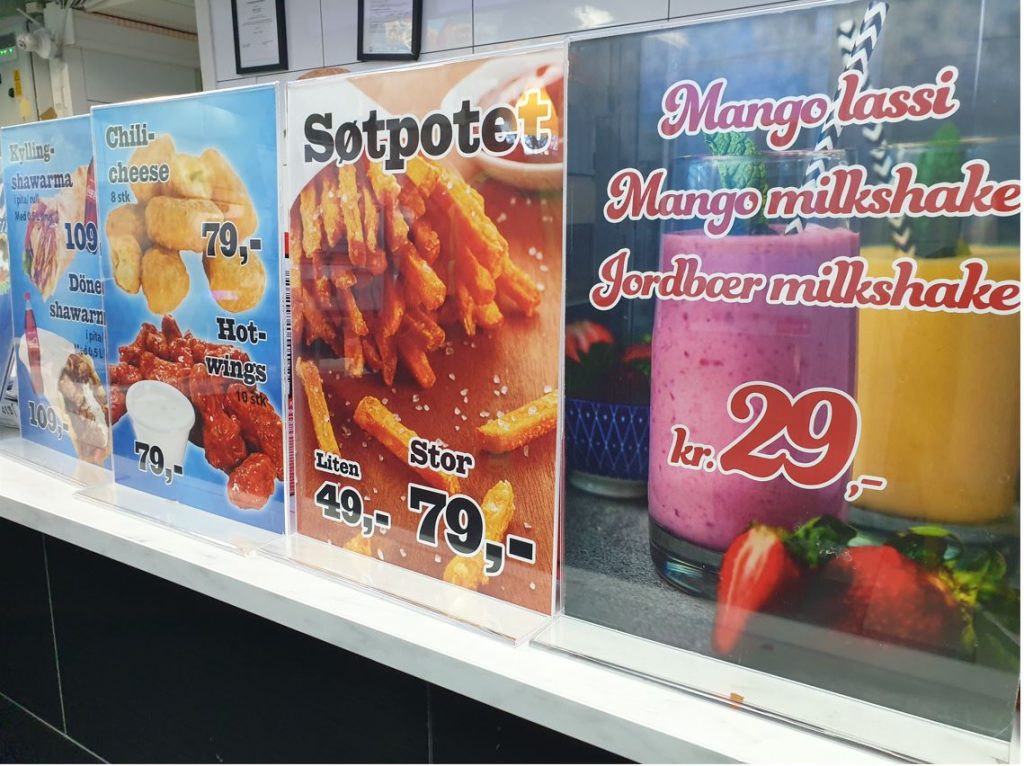
Restaurant menu with mango lassi, sweet potatoe fries and hot wings in Oslo. Credit Ida Tolgenbakk
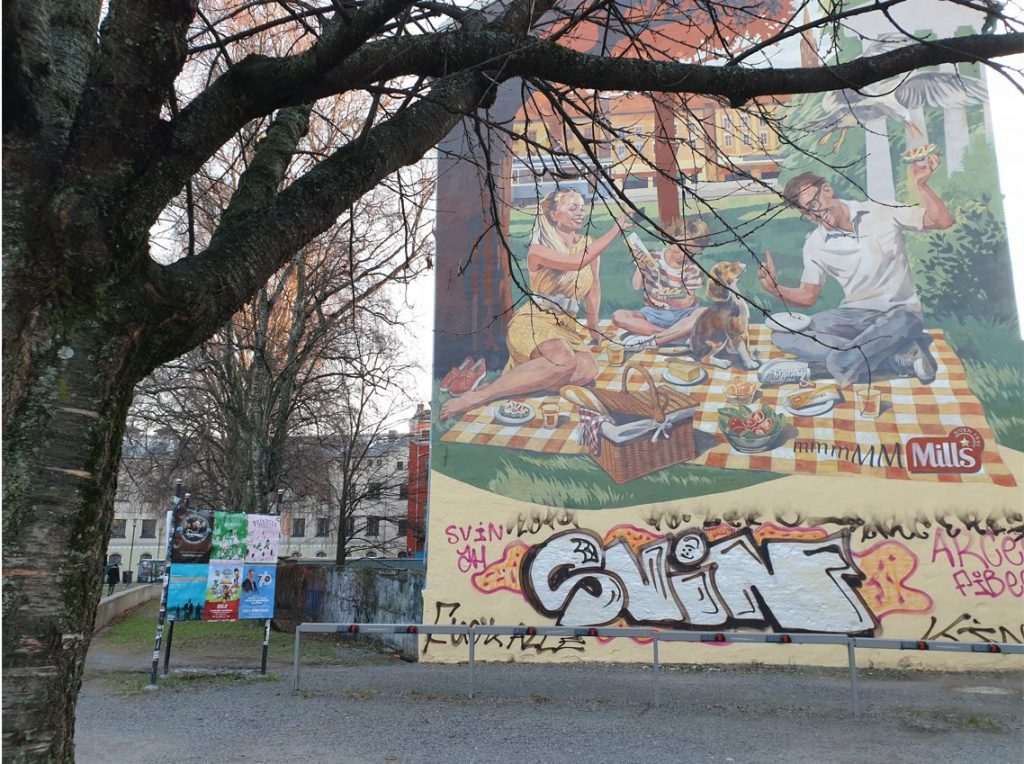
Picture of a mural that is an advertisement of the brand Mills in a street in Oslo with a family eating hotdogs during a picnic. Credit: Ida Tolgensbakk
Sharing a Sudanese meal in a squat in Ventimiglia. Credit: Eloisa Pantano
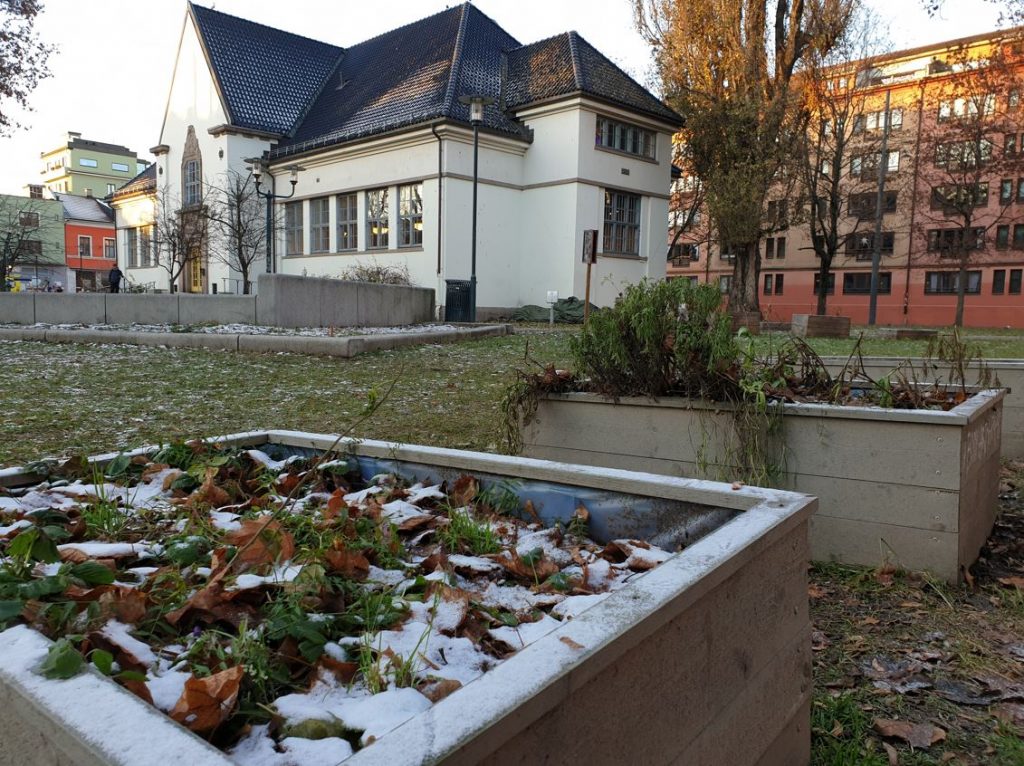
Garden boxes at the library in Oslo during winter. Credit: Ida Tolgensbakk
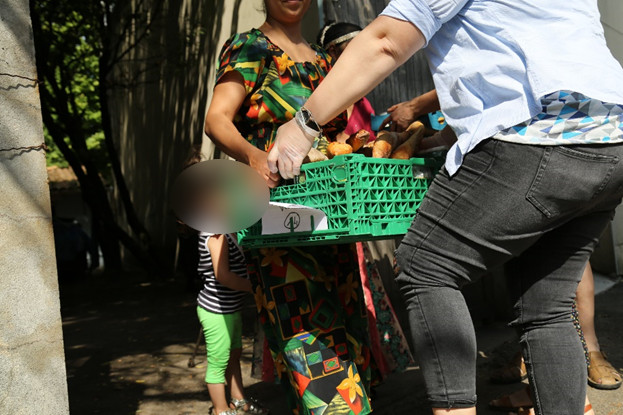
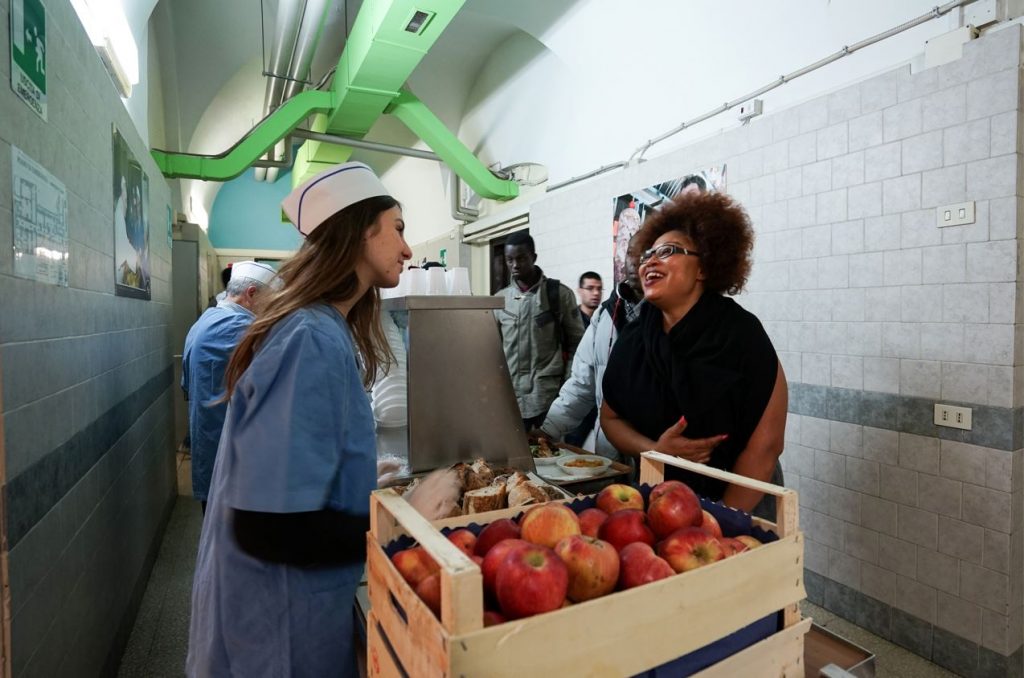
a young woman from Albania – who got the refugee status – is volunteer in the Secours Populaire (food aid). During the first confinement due to the Covid-19 in France, she continued her involvement. Here, she distributes food in squats with another volunteer, going from squat to squat by car. Facing her, a woman with their children, who depend at least partially on food aid: which means experiencing food insecurity. Credit:a young woman from Albania – who got the refugee status – is volunteer in the Secours Populaire (food aid). During the first confinement due to the Covid-19 in France, she continued her involvement. Here, she distributes food in squats with another volunteer, going from squat to squat by car. Facing her, a woman with their children, who depend at least partially on food aid: which means experiencing food insecurity. Credit: Cécile Quillien
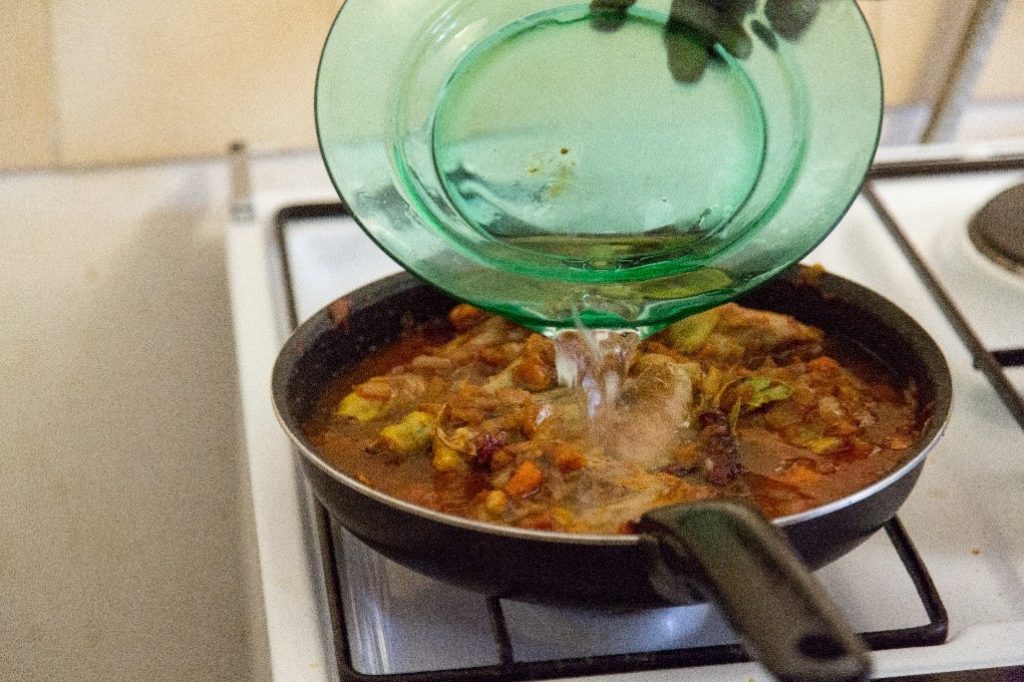
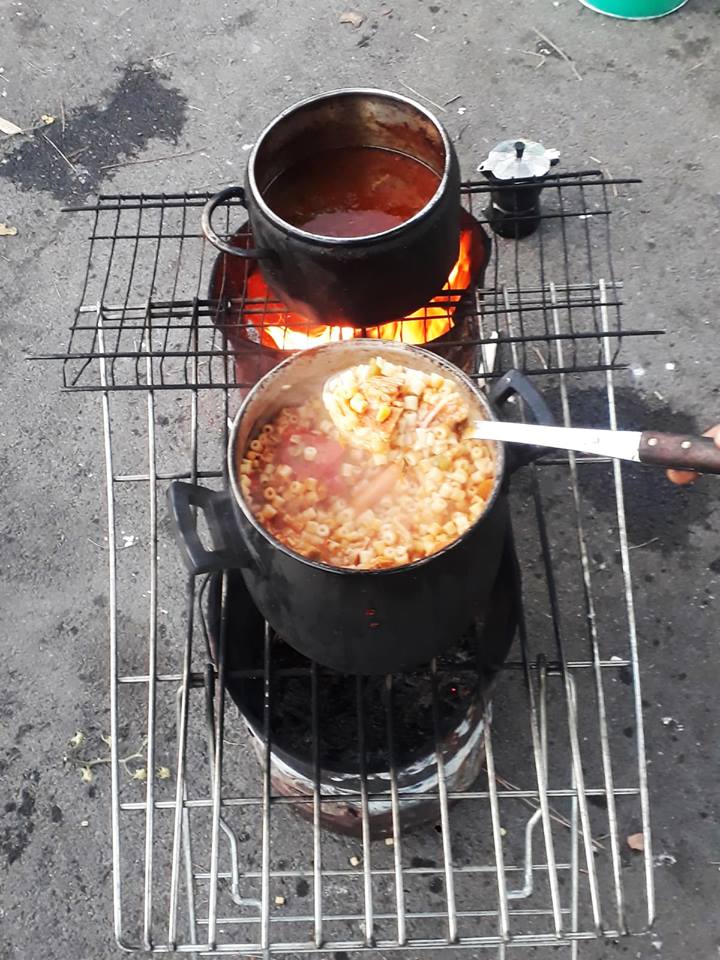
Being uprooted, leaving his country because he was threatened to death, a young man from Guinea is hosted in a house where he lives in the living-room which has been shared in two part, so he can get a minimum of intimacy. After a while living in the street, he can start to cook again. Here, cooking a “soupo guerto” which he learned with his mother since his childhood. A meal with “home flavours”, adapted to food availability, and tastes of his guests. Credit: Cécile Quillien
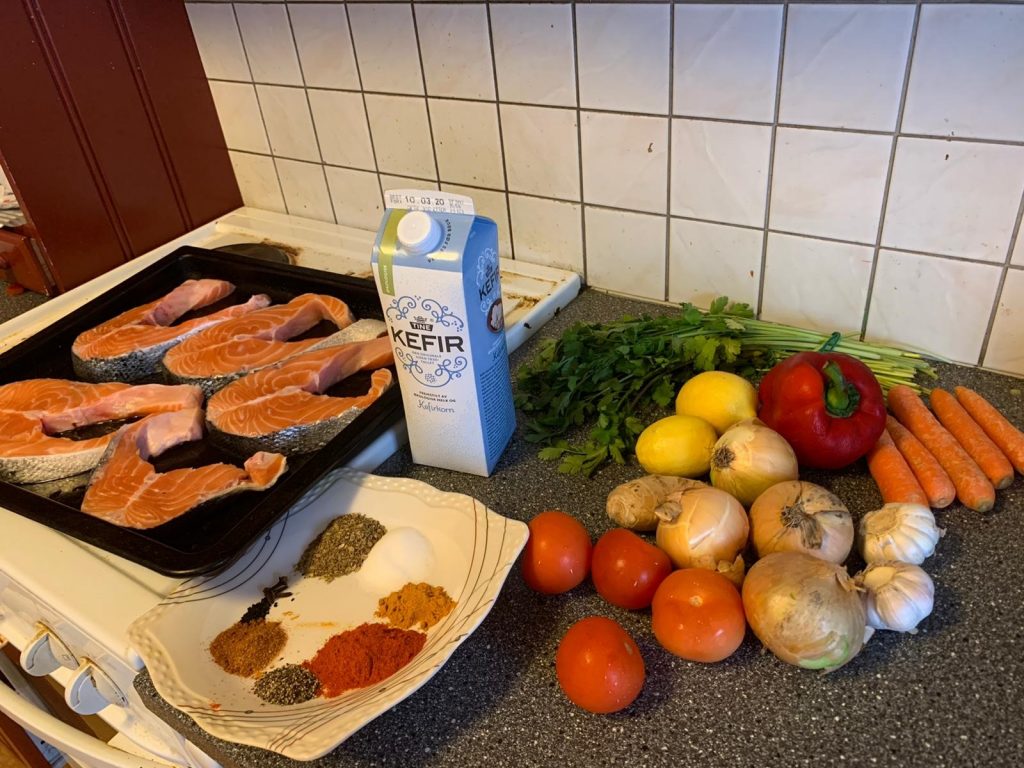
Ingredients for biryani with salmon. Credit: participant in Sunn Start case in Norway
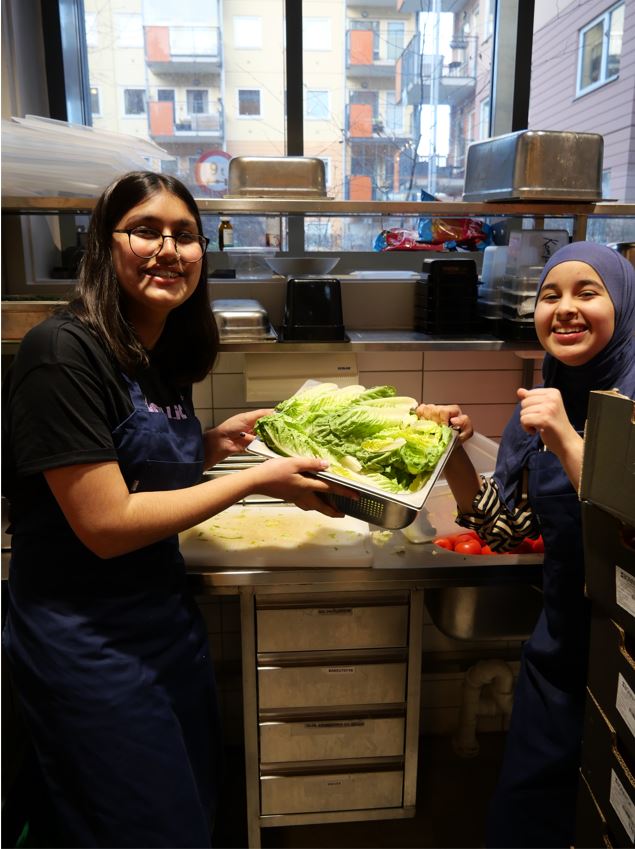
Girls preparing salad together during the Norwegian pilot with the partner organisation Kompas & Co for the surplus table. Credit: Clara J. Reich
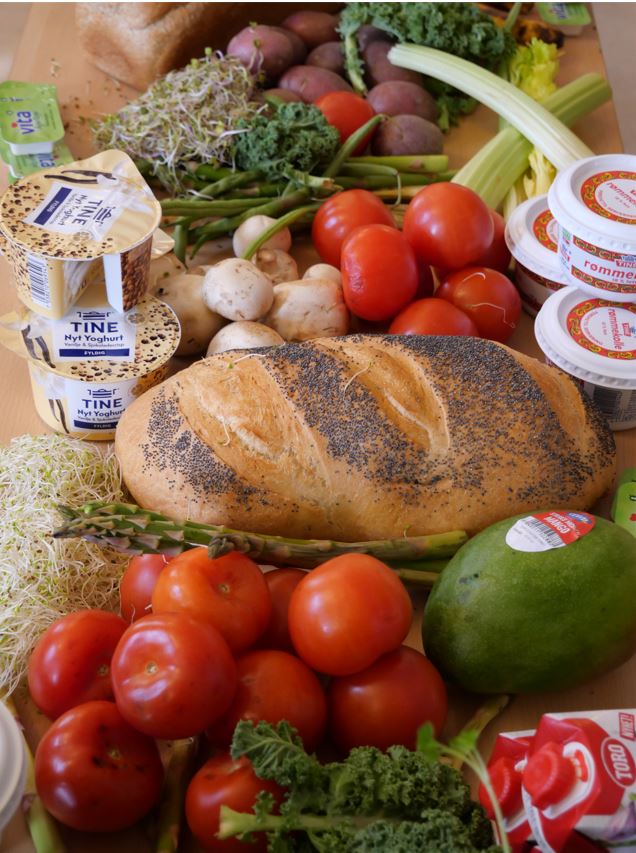
Surplus food such as tomatoes, yoghurt, mango, aspargus, kale, mushroom, bread, and potatoes arranged on a table. The picture was taken during the Norwegian pilot at a school during the surplus table. Credit: Clara J. Reich
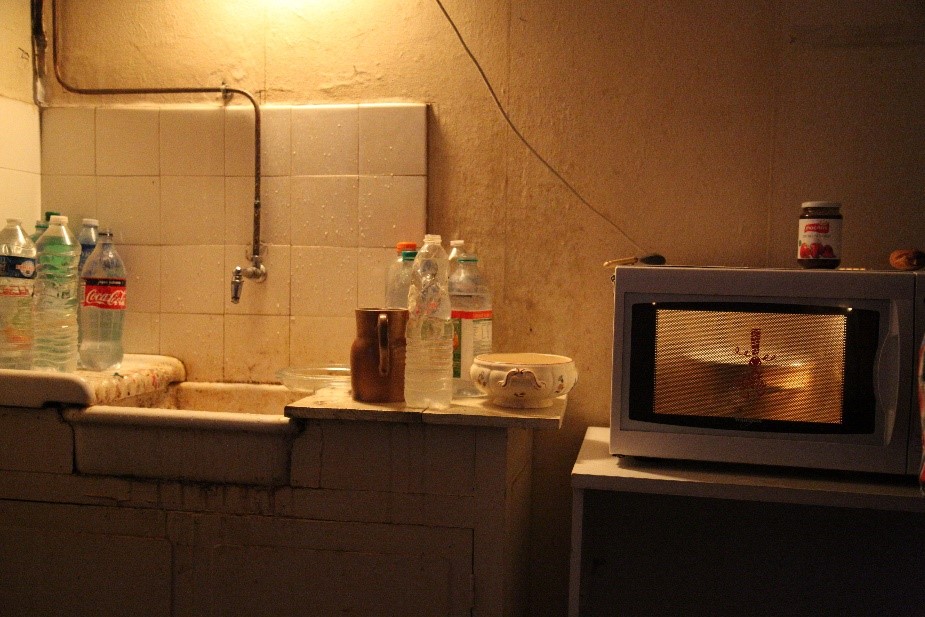
In a squat, in the city centre of Bordeaux. Dozens of men where living there, trying to build a “home” in this precarious place. Facing plural lacks, they have to cope with, to tinker, to use their agency. Here, plastic bottles are filled with still water are stocked, in order to get around the recurrent lack of water in the kitchen. In the microwave, an inhabitant cooks rice to save time and energy, as he considered this way of cooking as simplier. Credit: Cécile Quillien
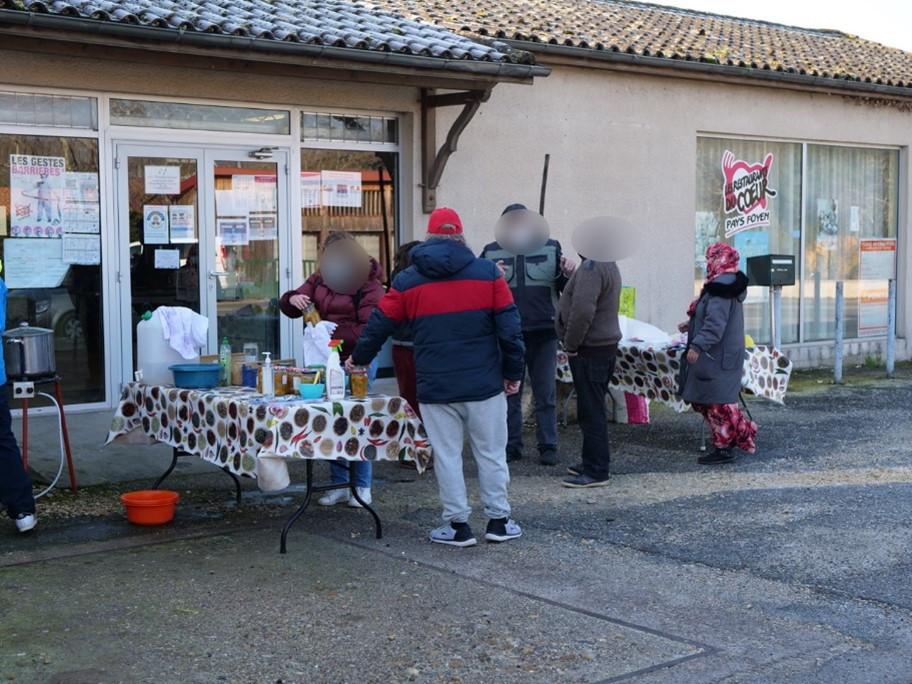
The Râteleurs soup made in the public space in front of Les Resto du Coeur in Ste Foy. Credit: Chantal Crenn
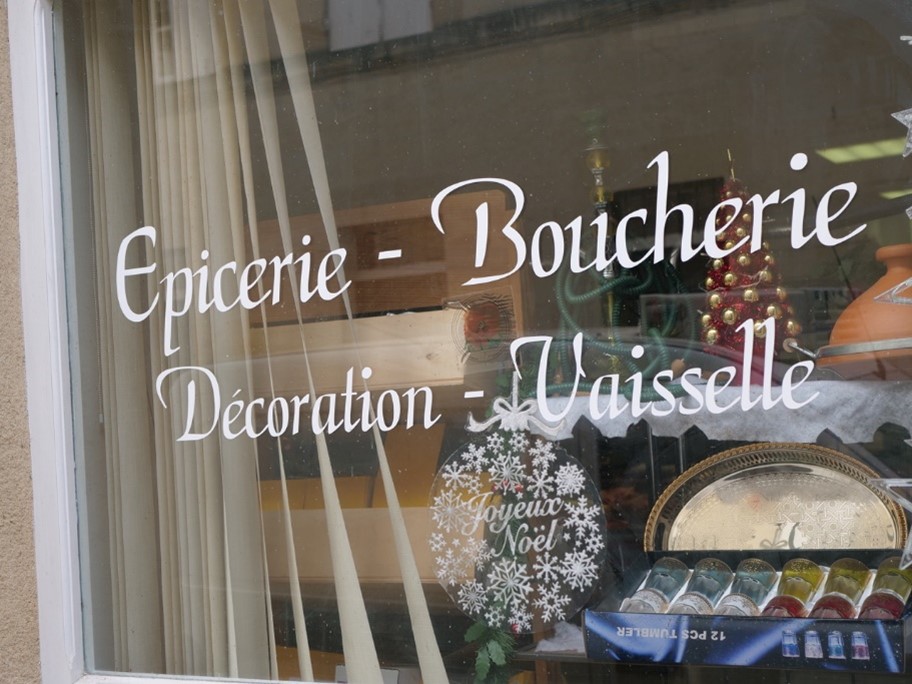
Halal butchery during Christmas time in Sainte Foy-La-Grande a mixt between Muslim and Christian symbols. Credit: Chantal Crenn
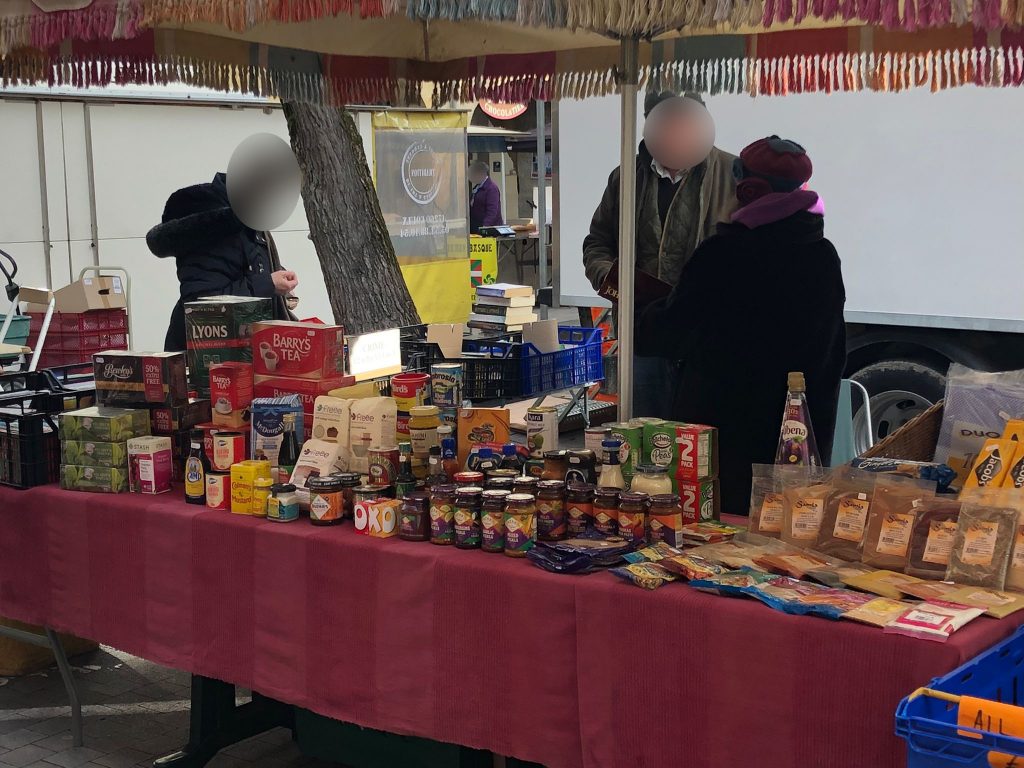
In the market countryside the ethnic is daily: British inhabitants selling "English" products that have become inaccessible since the Brexit and Covid. Credit: Chantal Crenn
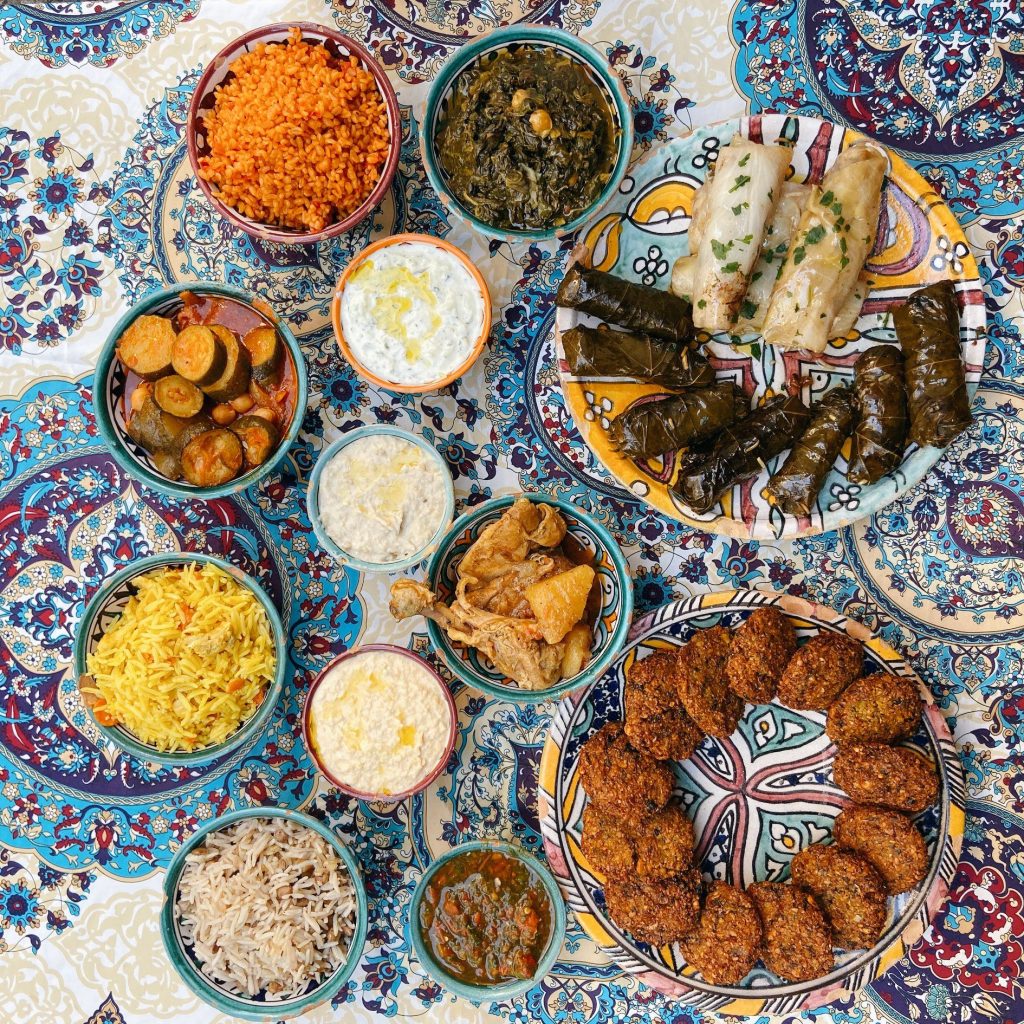
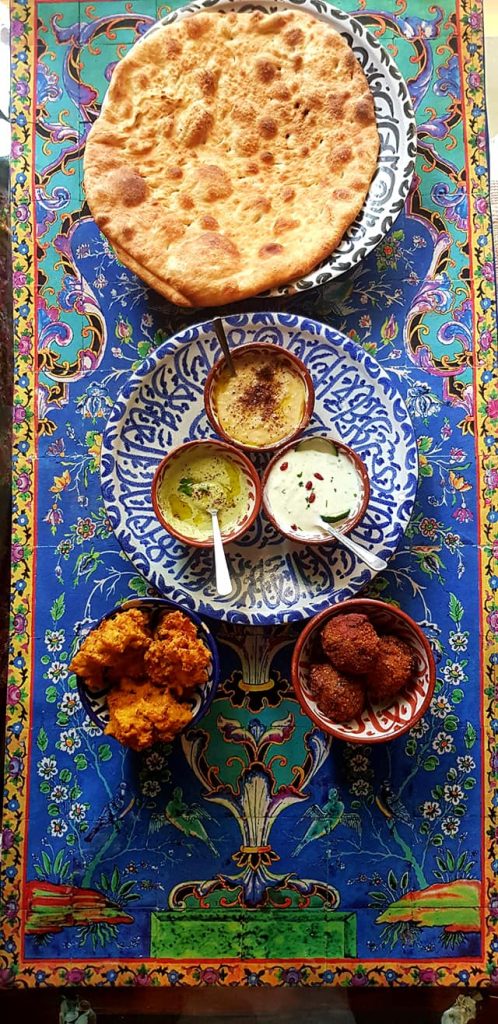
The gourmet cuisine at Peace ‘n’ Spice restaurant in Padova. Credit: Alice Brombin
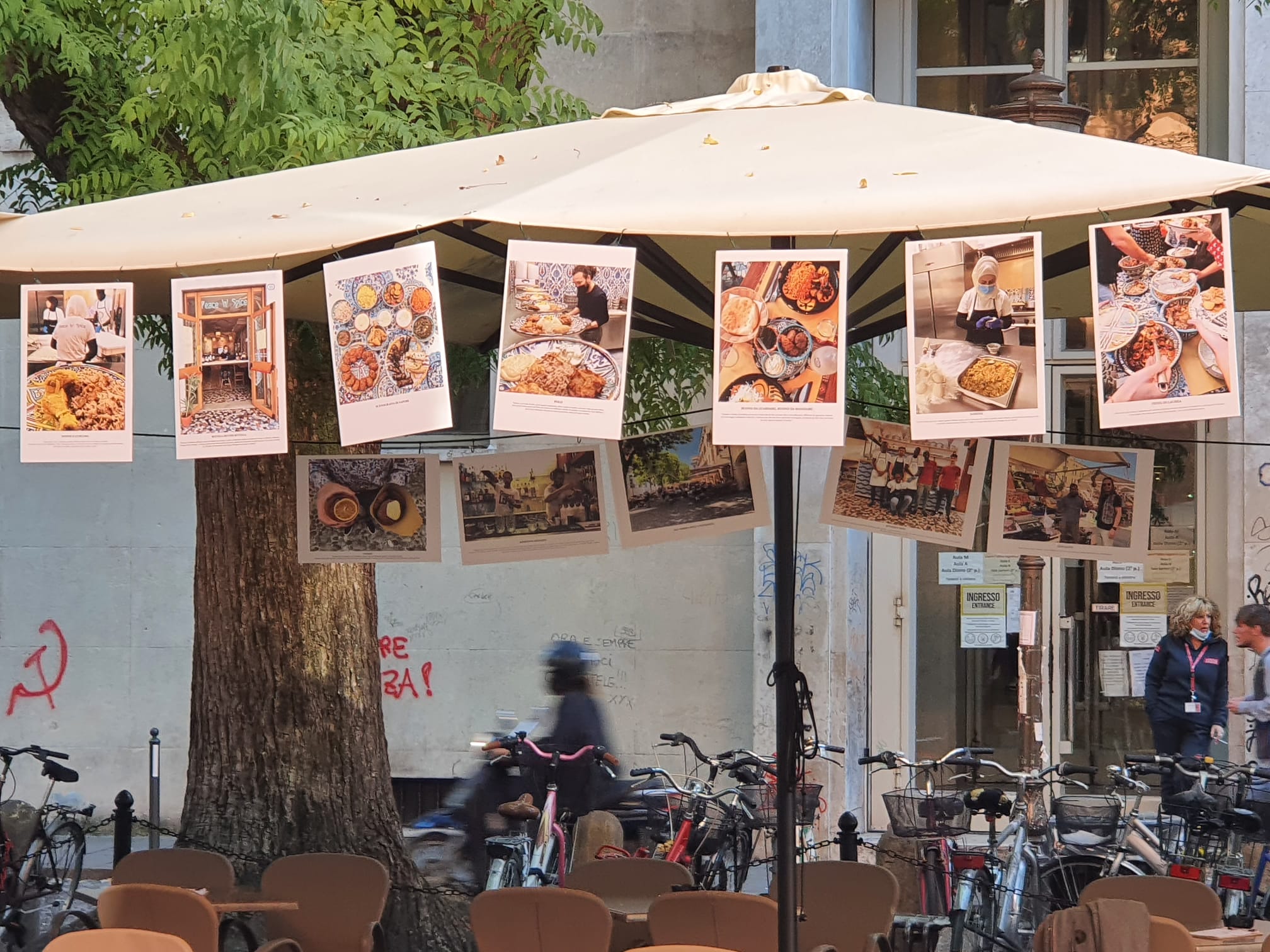
Exhibition installation, pilot project in Padua. Credit: Alice Brombin, Donatella Schmidt
Orient experience food in Venice. Credit: Caterina Zanatta Pivato
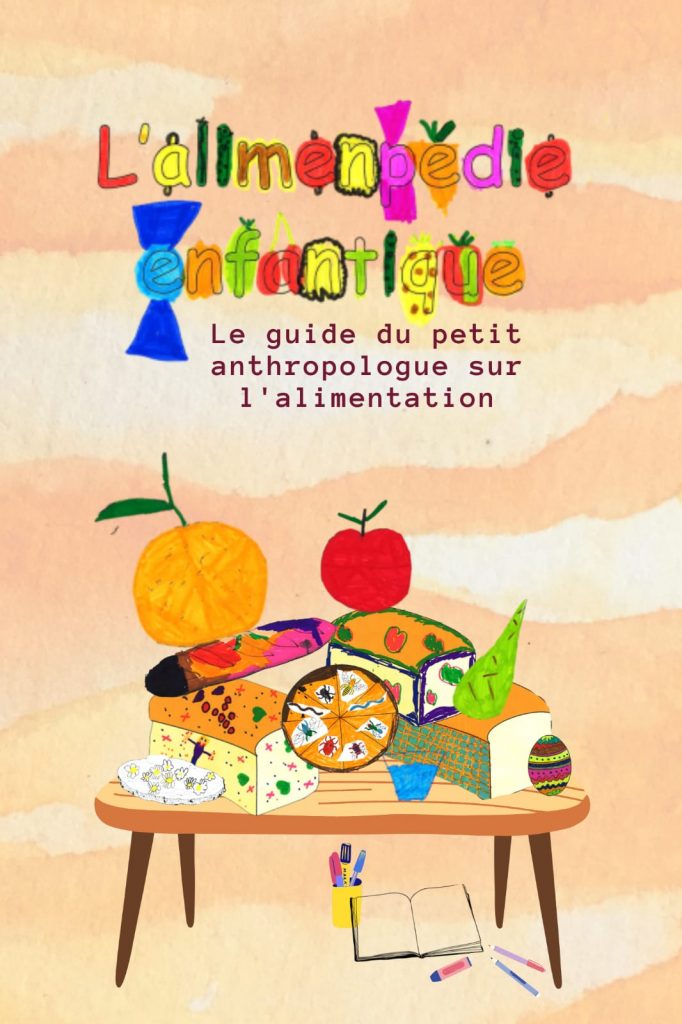
“L’alimenpédie enfantique :  the little anthropologist’s  Food Guide”

This photo represents a book cover, and more precisely the one of an encyclopaedia (in progress) highlightening an anthropological approach to food and carried out with and for children of a kindergarden and a primary school in French-speaking  Belgium (Province of Liege) by Mélanie and Élodie (researchers). Credit: Naomé Desprez
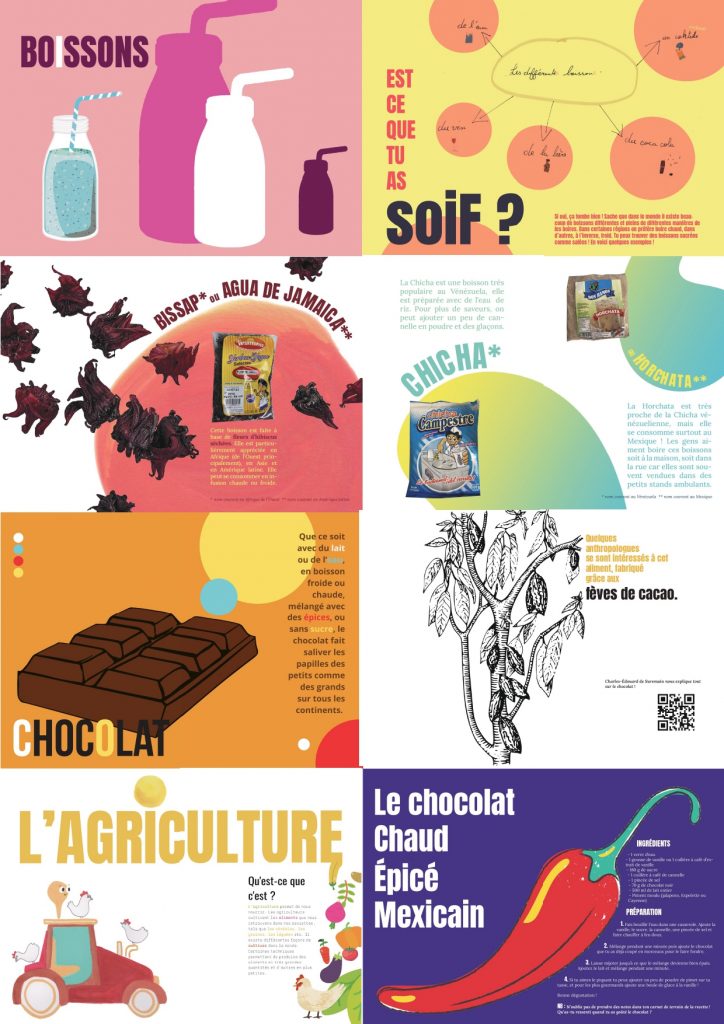
Title : “L’alimenpédie enfantique” : the first draft of some pages of the encyclopaedia

The title “L’alimenpédie enfantique” is based on a French wordplay between food and encyclopaedia (foodpaedia in english), and  children and researchers. Children also created the word “enfantique” in french – used in this case instead of “enfantin” – that is an alternative to the word “childisch”. This title is the one that received the most votes from children among all the titles they proposed. It was decided to include all other titles as sub-headings or on the back cover to ensure that all children's choices were represented. You can see here some examples of draft pages on different food topics that you will find in the children book. These pages are based on the children’s productions and designed by a student named Naomé Desprez.
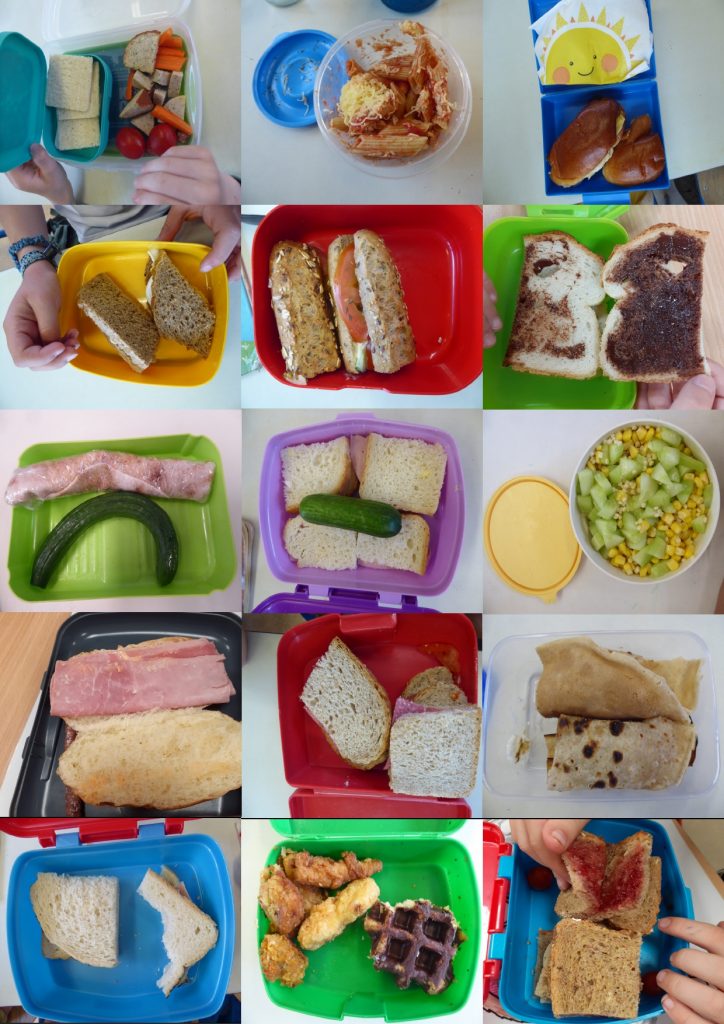
Title : “Lunch boxes at school in French-speaking Belgium”

The picture shows the diversity of ingredienst used by parents for the children’s lunch : from sweet to salty and sometimes, spicy!
During anthropological workshops organized by Mélanie and Élodie (researchers) with children, the latter learned how to reconsider what they eat at school and how they eat : do we all eat the same meals ? How do children eat at school in other border or distant countries ? Why is eating so important?
Credit: Élodie Razy (F2G researcher)
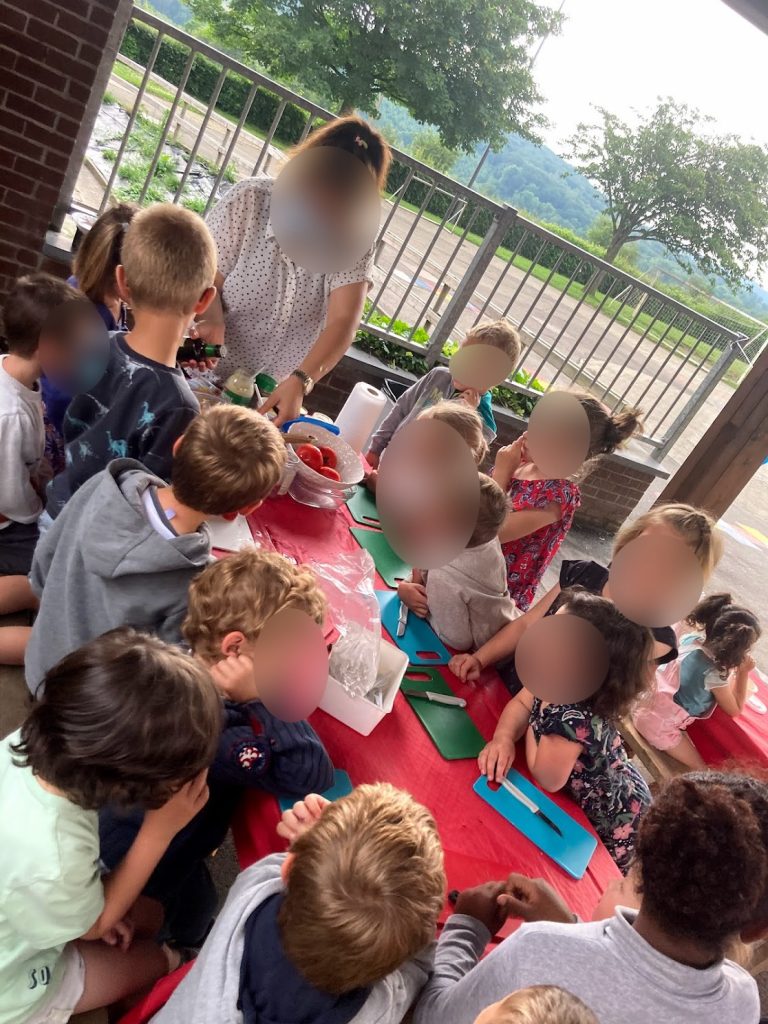
Title : “A Food2Gather cooking workshop at school in French-speaking Belgium (Province of Liege)” 

A mother living at a reception center for asylum seekers prepared a pasta salad with the children at school during the Food2Gather Belgian team pilot activities. 
Credit: Mélanie Vivier (F2G PhD candidate)
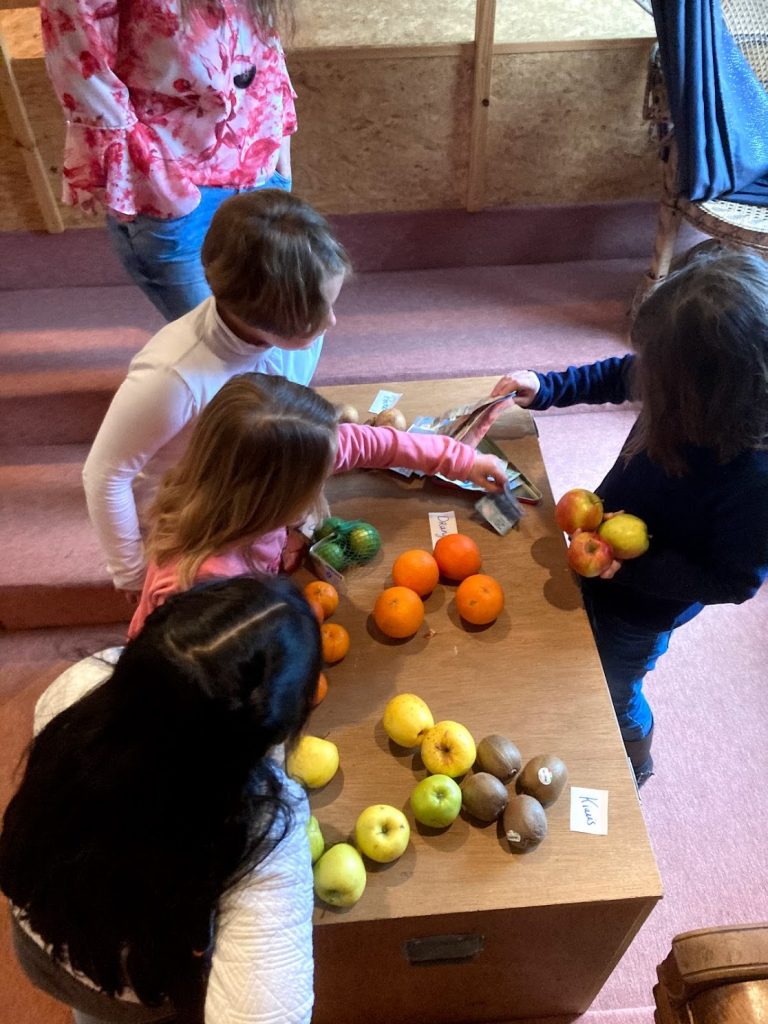
Title : “Children at the foodmarket as anthropologists during Food2Gather workshops”

Children learned how to be anthropologists by doing fieldwork at a foodmarket that Mélanie and Élodie (the researchers) had to improvise at school because of the covid constraints preventing us from leaving the school (French-speaking Belgium, Province of Liege). Credit: Mélanie Vivier (F2G PhD candidate)
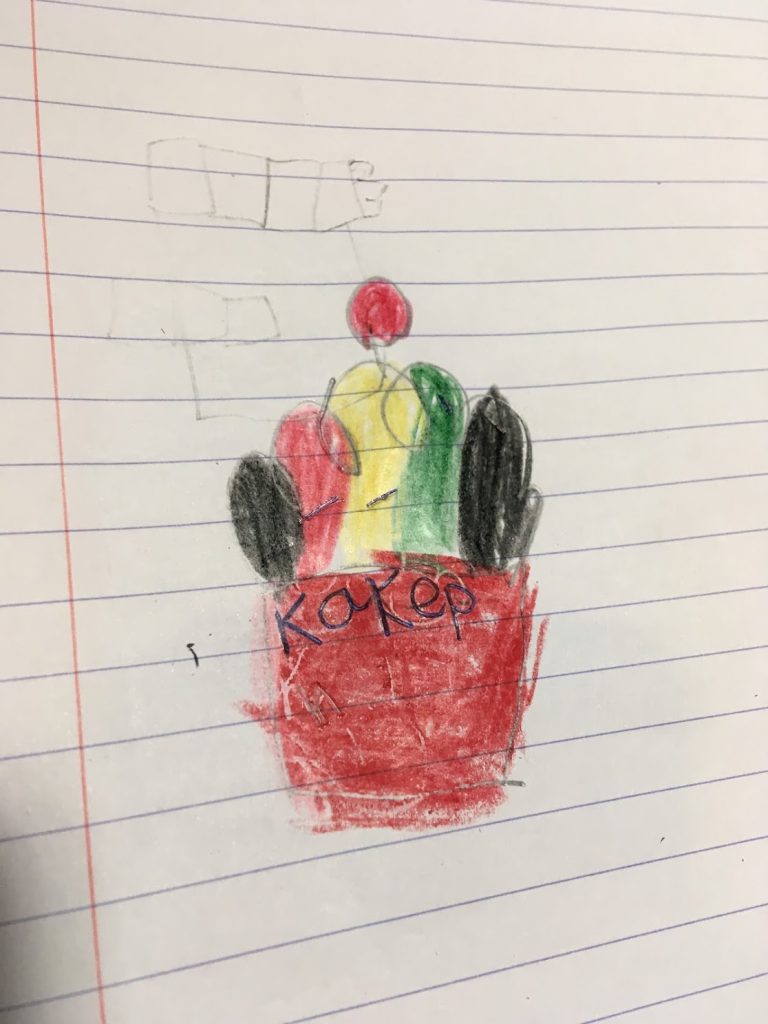
Title : “A Food2Gather cupcake to share !”

An albanease-german-belgian cupcake drawn by a child living at a reception center for asylum seekers in French-speaking Belgium (Province of Liege). Credit: Mélanie Vivier (F2G PhD candidate)
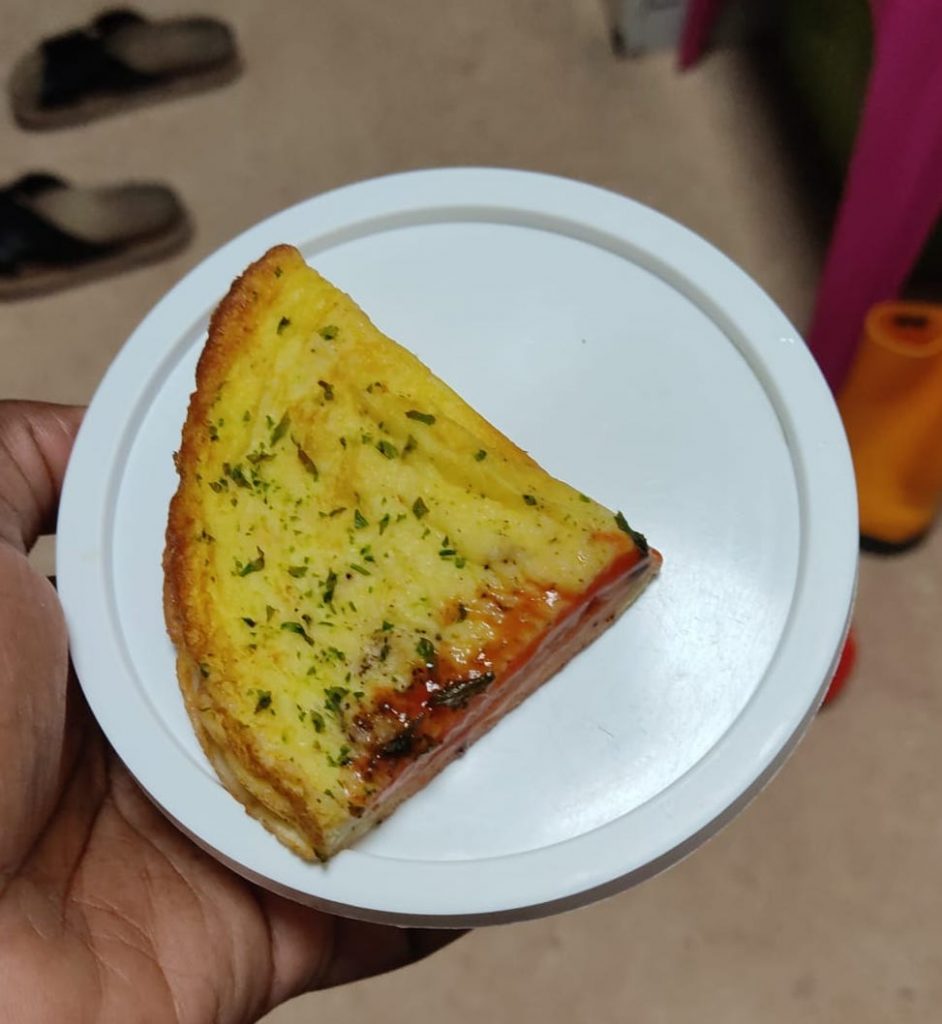
Title : “Is this slice of omelette enough for my child?” 

The picture shows a child slice of omelette from the canteen at a reception center for asylum seekers in French-speaking Belgium (Province of Liege). 
A resident in asylum seeking situation took the picture and sent it to Mélanie (researcher) to protest against what the institution gives to them to feed their children.
Credit: A photo taken by a person living in a reception center for asylum seekers in French-speaking Belgium
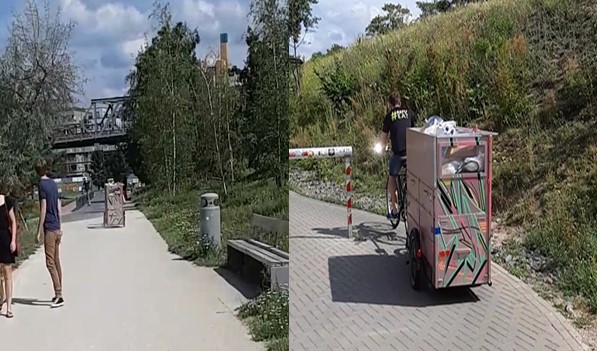
Travelling away from main roads and through narrow passages, the food bikes garner much attention. Credit: German Food2Gather team
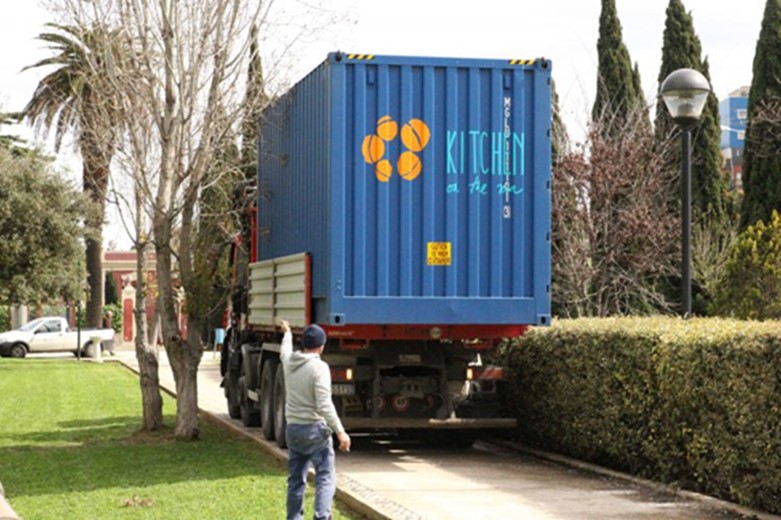
On its first tour, the container traced the route many people on the move take through Europe. Credit: Photograph: Über den Tellerrand
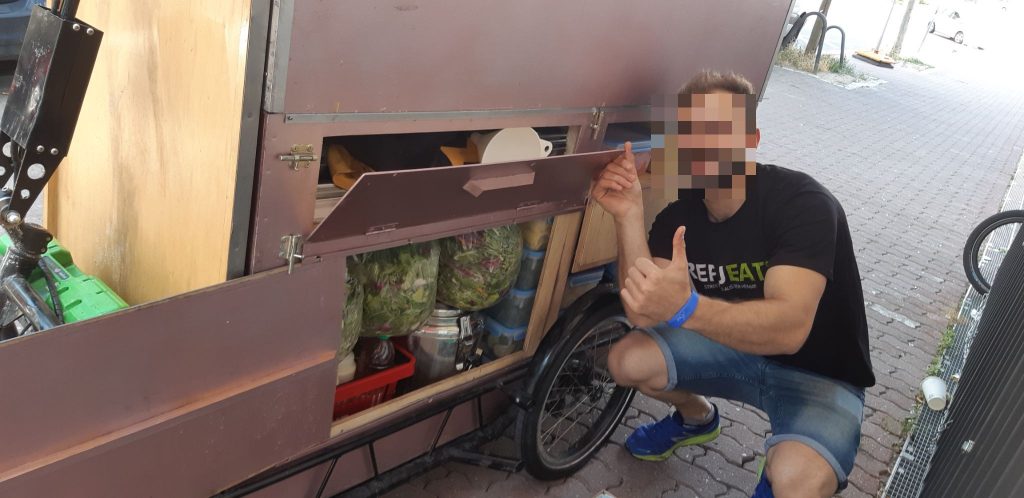
The bicycle trailers are tailored to fit all necessary cooking equipment and ingredients. Credit: German F2Gather team
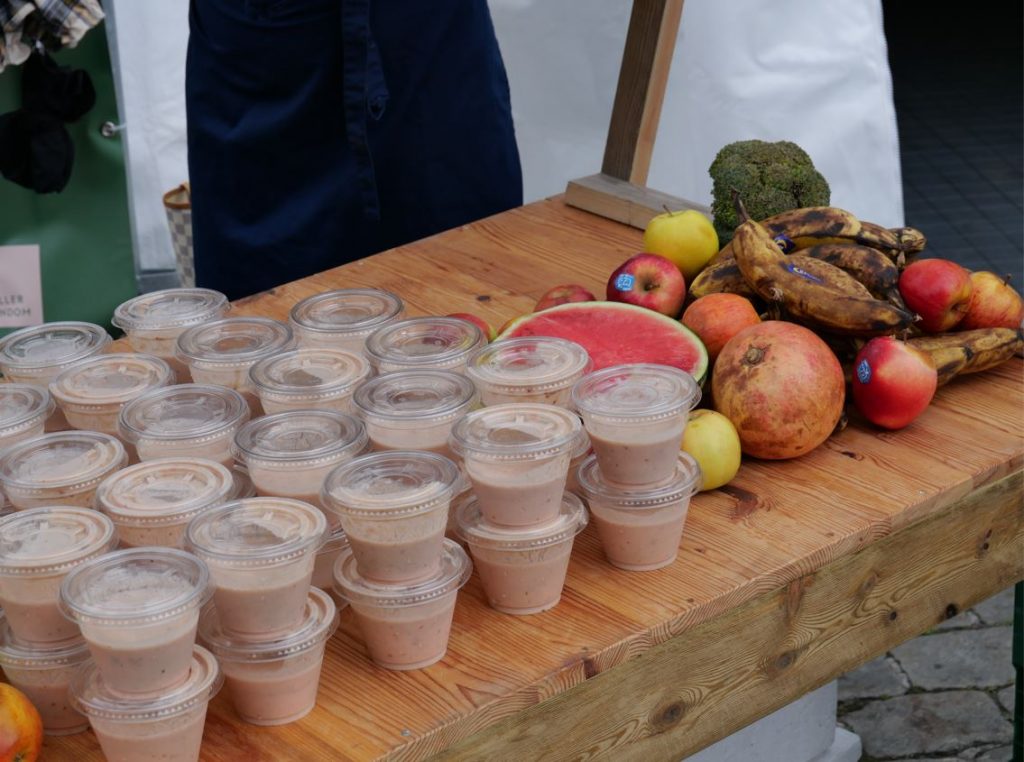
Surplus table in Norway with surplus fruit and vegetables and smoothies during the Covid-19 pandemic. Credit Virginie Amilien
Lunch time at Centro Astalli soup kitchen in Rome before the pandemic (© Astalli Centre). Credit: Researcher (Giovanna Palutan)
Cooking in the encampment near the Tiburtina station. Credit: Giovanna Palutan, Donatella Schmidt
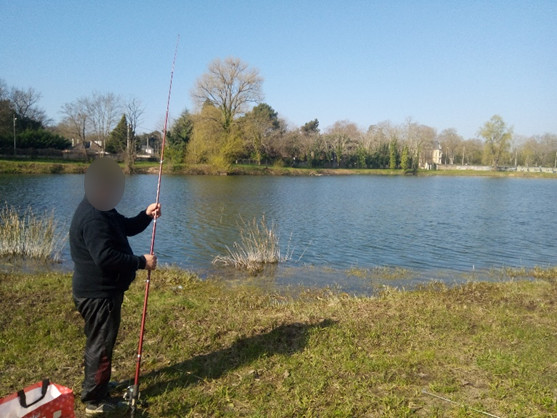
A man from Georgia practices urban fishing. Categorised as “illegal migrant” (without papers), he, with his family (his wife, their 2 children), largely depend on food aid networks. Practicing urban fishing is a mean to eat fresh fish which is not very present in the food aid networks, while getting the satisfaction of being partly “independent”, food speaking. Sarah Marchiset

Recent Posts

  • Eat and Let the Earth Speak
  • Afrocubano concert and foodscapes
  • Food2gather: Achievments
  • Food2gather: Objectives
  • Food2gather . A SUMMARY

Recent Comments

  • sbo bet on Fieldwork in France
  • Katheryn Hager on Food-friendly landscapes: moving beyond food sustainability
  • Diamond Leader on Peace ‘n’ Spice. Into the route of food as creative entrepreneurship interpreted by refugees in Northern Italy
  • zoritoler imol on Anthropology (of food): what’s this?
  • zoritoler imol on EASA 2020 Conference
© 2025 FOOD2GATHER. Proudly powered by Sydney