Hopp til innholdet

Ull og kjøtt fra sau: forbrukernes vurderinger og forståelser

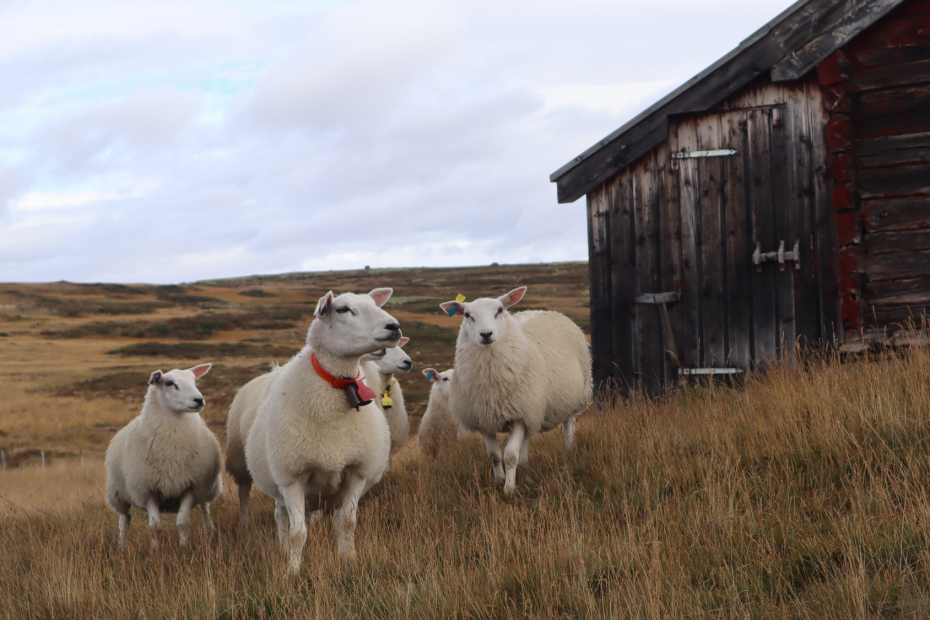
Mennesker har i uminnelige tider høstet ressurser fra utmarka, og beitedyr som rein, sau og geit har gitt ull, skinn og kjøtt. Men beitebruket har gjennomgått store endringer i de siste hundre årene. Med markedsøkonomiens inntog har beitedyrenes status endret seg fra å bli betraktet som husdyr som dekker våre grunnleggende behov til å bli råvarer for matindustrien med økonomisk avkastning som det primære målet.

WOOLUME: Mapping the market for acoustic and sound absorbing products made of wool

Denne rapporten er første leveranse fra arbeidspakke 2 i WOOLUME-prosjektet. Hovedmålet med WOOLUME er å
utforske ulike måter å bruke ull fra polske fjellsau for å oppnå bedre utnyttelse av ressurser og økt verdiskaping. Målet
med rapporten har vært å kartlegge markedet for akustiske og lydabsorberende produkter laget av ull for å undersøke
potensialet for å innføre grov ull som materiale.

Reducing environmental impacts from garments through best practice garment use and care, using the example of a Merino wool sweater

Garment production and use generate substantial environmental impacts, and the care and use are key determinants of cradle-to-grave impacts. The present study investigated the potential to reduce environmental impacts by applying best practices for garment care combined with increased garment use. A wool sweater is used as an example because wool garments have particular attributes that favour reduced environmental impacts in the use phase.

Environmental impacts associated with the production, use, and end-of-life of a woollen garment

The textiles industry is a substantial contributor to environmental impacts through the production, processing, use, and end-of-life of garments. Wool is a high value, natural, and renewable fibre that is used to produce a wide range of garments, from active leisure wear to formal wear, and represents a small segment of the global fashion industry. Woollen garments are produced by long, global value chains extending from the production of ‘greasy’ wool on sheep farms, through processing to garment make-up, retail, consumer use, and end-of-life. To date, there have been limited life cycle assessment (LCA) studies on the environmental impacts of the full supply chain or use phase of garments, with the majority of wool LCA studies focusing on a segment of the supply chain. This study aimed to address this knowledge gap via a cradle-to-grave LCA of a woollen garment.