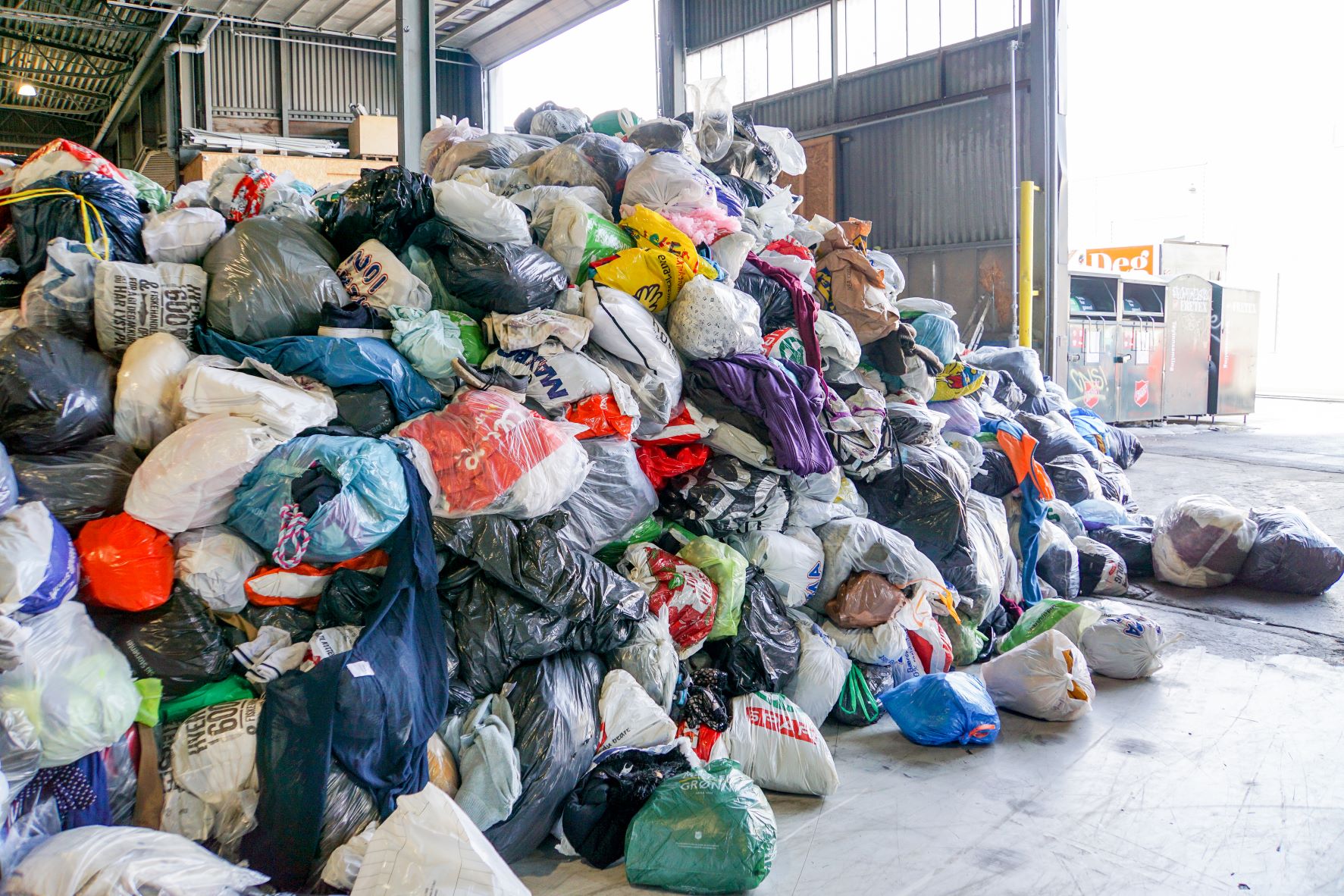
Lansering av rapporten: «Hvordan blir fremtidens tekstilinnsamling?»
Tirsdag 16. januar 2024, kl 8:30 til 11:00. Fysisk: Pakkhuset, Nedre Slottsgate 2 C, Oslo. Digitalt også mulig, se påmelding.
Tirsdag 16. januar 2024, kl 8:30 til 11:00. Fysisk: Pakkhuset, Nedre Slottsgate 2 C, Oslo. Digitalt også mulig, se påmelding.
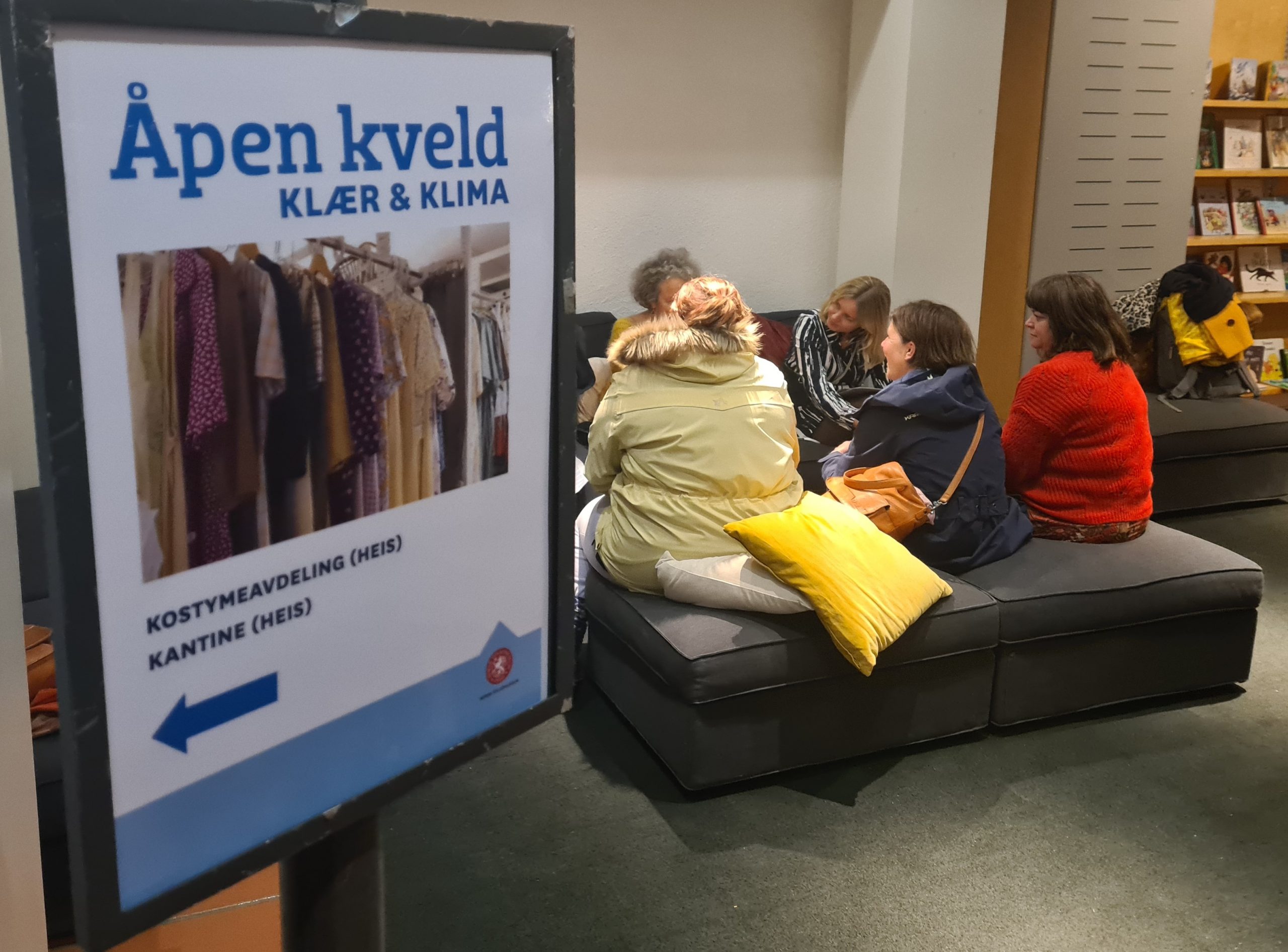
«Hvordan gjorde de det?» var et av nøkkelspørsmålene da Norsk Folkemuseum åpnet sine dører og hemmelige bakrom en mørk novemberdag
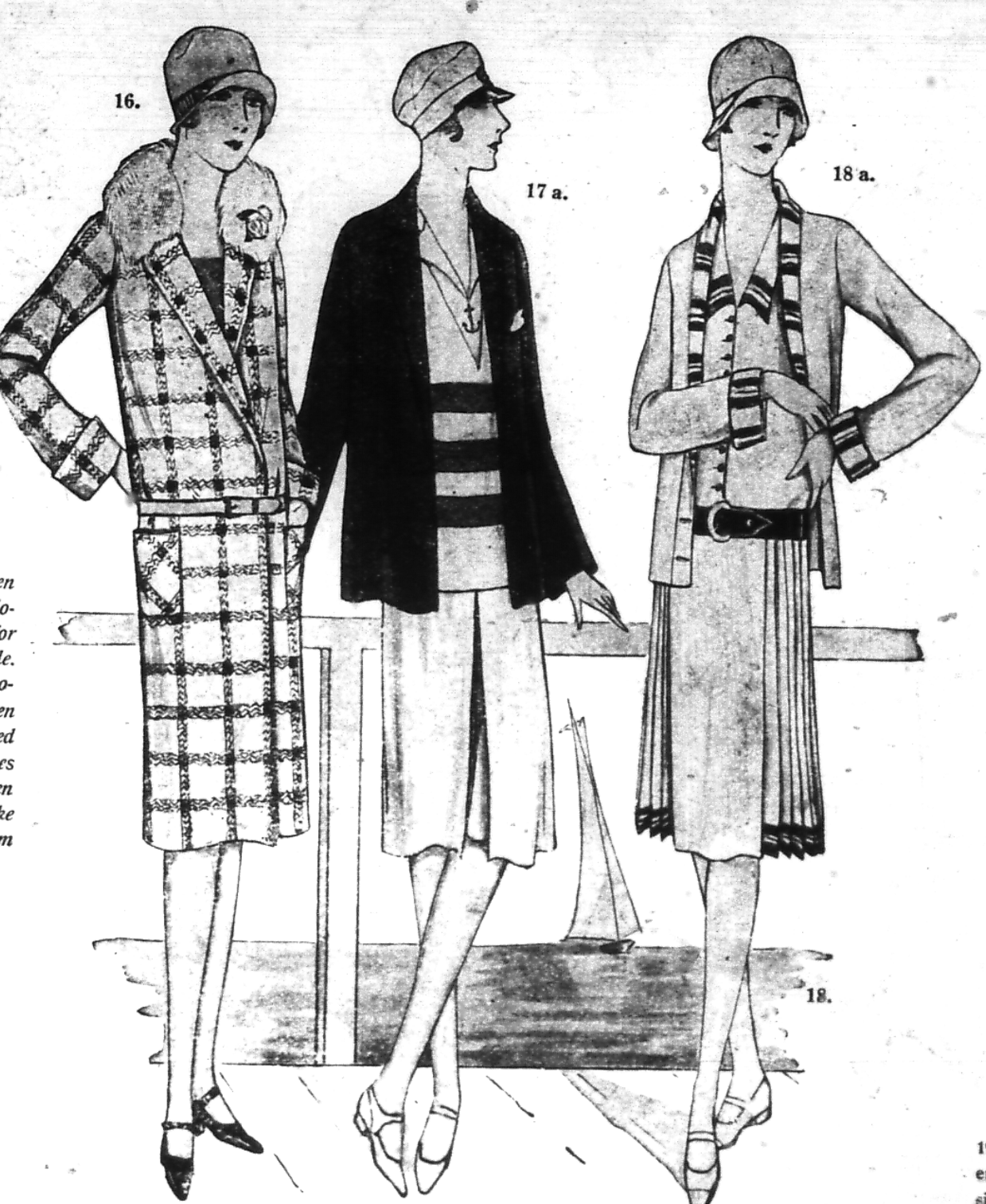
Seminar torsdag 9. november 2023, 14:30-16:00 på Norsk Folkemuseum.
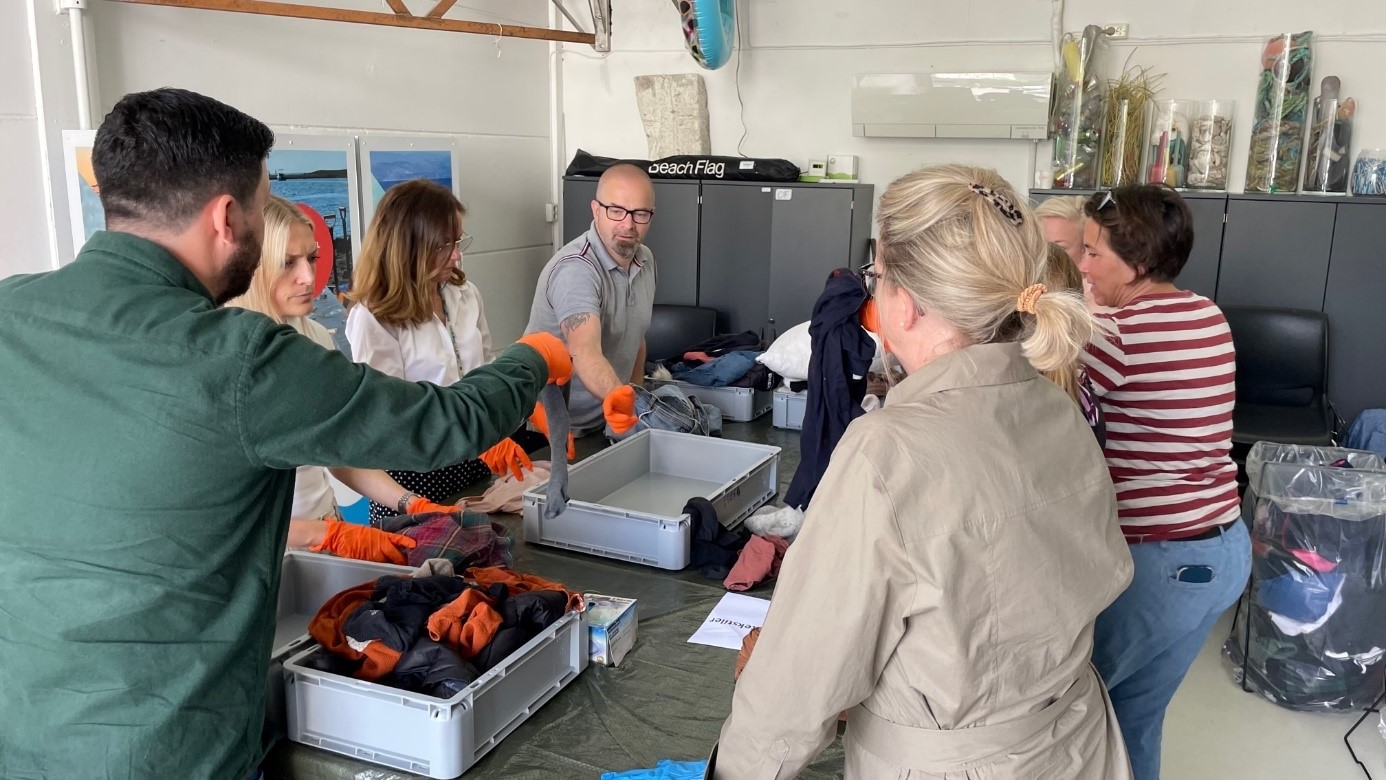
EU ber tekstilbransjen øke levetiden på produkter, i et håp om at det skal redusere forbruket og avkle fast fashion. Men hva vet vi om dette forholdet mellom disse to tingene, og hvor lenge har… Volum og levetid: Innledende workshop for tekstil-bransjen
Først og fremst vil vi ønske deg velkommen som kollega! Dette er en veldig gledelig utvikling for Forbruksforskning Norge (SIFO) og vår klesforskningsgruppe, ved siden av selvfølgelig arbeidet i prosjektene du har ledelsen av arbeidspakker.… En samtale med Kate Fletcher
Både det danske Altinget og det norsk Storting har i løpet av kort tid invitert til åpne møter rundt EUs tekstilstrategi og hva dette betyr for nordiske virksomheter, politikk og forbrukere. Vi kan konstatere at… Politisk oppvåkning: “Houston, we have a problem”
14. mars, 2023, kl 10-12.
Athene 1 (auditorium), Pilestredet 46, OsloMet.
Vi kaster enorme mengder klær, og det meste inneholder polyester og annen plast. Vi trenger mer kunnskap for å kunne oppfylle kravet om tekstilinnsamling innen 2025, mener forskere. Tekst: Kjersti LassenFoto: Lea Gleisberg/Wasted Textiles Etter… Vi kaster klær med merkelappen på
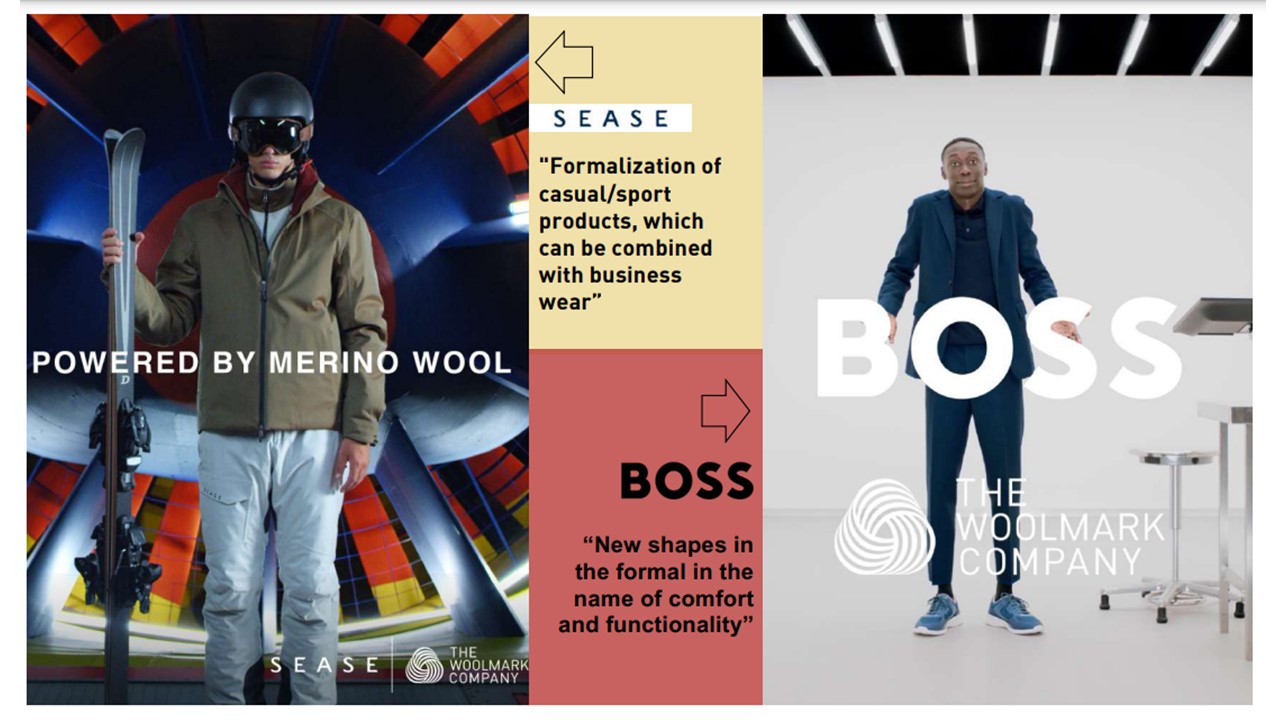
Er uformelt og formelt på vei for å smelte sammen? Dette spørsmålet dukker opp både i forskning og når man ser på forbrukertrender for klær og mote. Som en del av CHANGE-prosjektet er et spor… CHANGE: Anledning i forandring
Most studies of clothing and related habits are carried out within a country. However, apparel production and sales are a highly globalized industry, with many of the same large chains operating worldwide. It is thus quite possible that the use of the same mass-produced clothing differs between various geographical areas. Based on a practice theoretical approach, we have studied differences in consumption, use and disposal of clothes in different countries that may affect the lifespan of apparel.
The paper is based on an international survey in five countries with large apparel markets: China, Germany, Japan, UK and the USA. 200 respondents from each country answered to a comprehensive web-based survey on their wardrobe content. We found differences in practices that could affect the lifespans of clothing in these five countries. At the same time, we find many similarities. For clothing acquisition, buying new items dominates in all the five markets, and washing machines contribute to the main chore of keeping clothes clean. Home production and second-hand clothes constitute a very small part of clothing consumption in all five countries. Many respondents showed low sewing skills, and repair activities were done irregularly. Thus, many of the challenges to increasing the lifespans of clothing are similar for all the five countries. At the same time, there are significant differences. These differences open up for the possibility to learn «best practice» by studying the countries and transferring knowledge between regions. When defining use phase in LCA and other sustainability tools, it must be taken into account that despite the fact that clothing is a global industry, consumption is part of local practice.