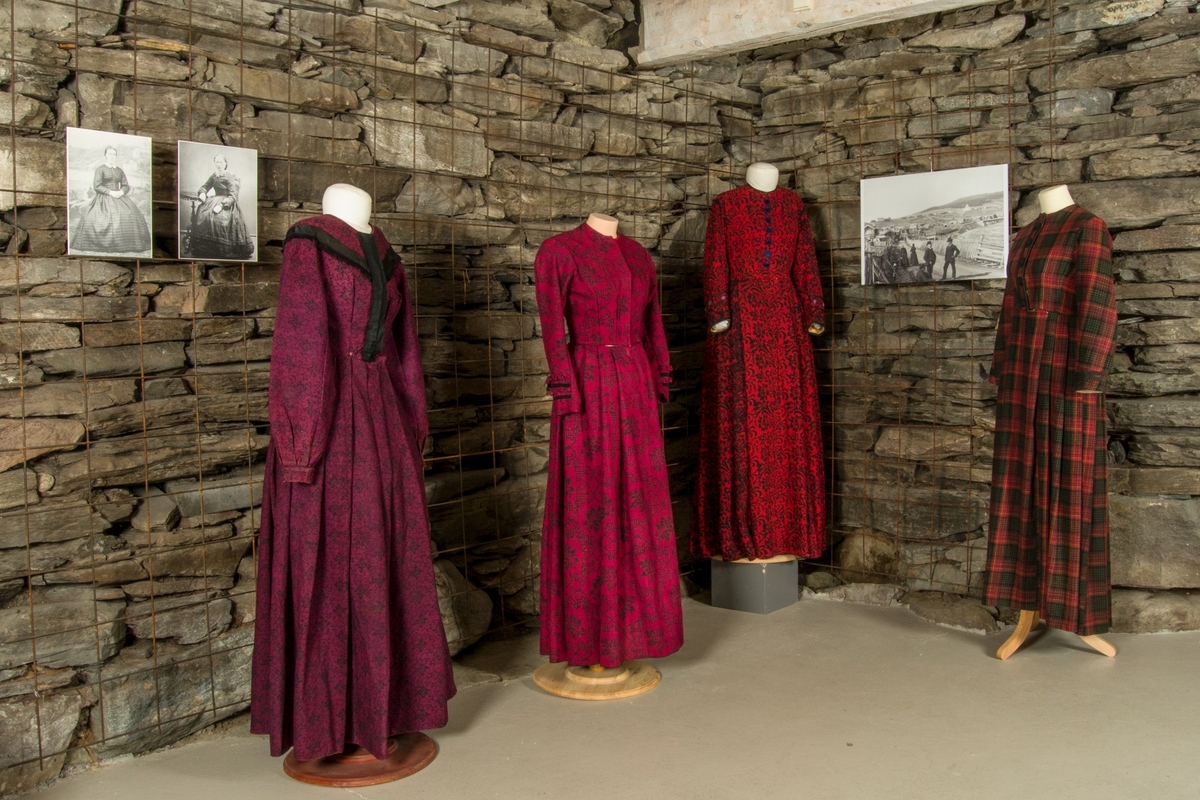
VikingGull på Symesterskapet – tekstil for fremtiden
I dagens episode av Symesterskapet på NRK kalt «Tilbake til framtida», ble deltagerne bedt om å lage et klesplagg for fremtiden. Til oppgaven ble de tildelt maks 2.50 meter av et ganske spesielt stoff, laget… VikingGull på Symesterskapet – tekstil for fremtiden

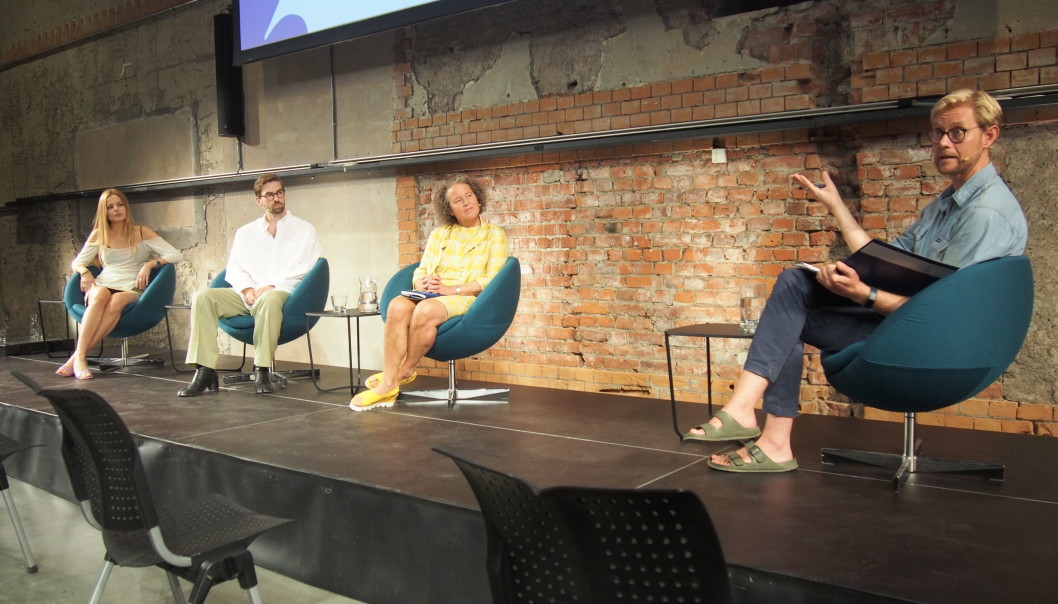
Grønne klær – gjør det sjæl!
Foredrag: Lørdag 18.09.2021 kl. 11:00 – 12:30
Sted: Kommandantgårdens Parolesal, Gamlebyen Fredrikstad
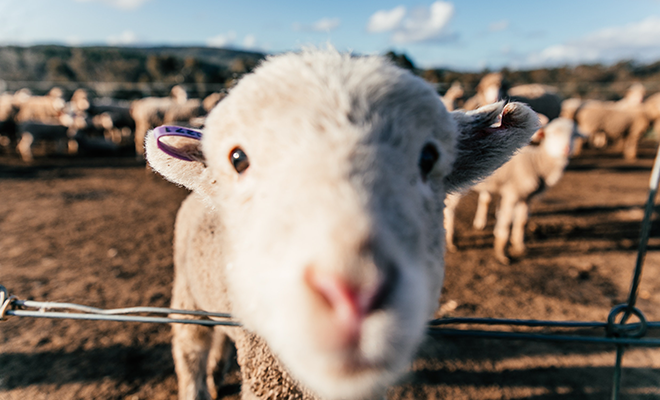
Local, Slow and Sustainable Wool: System Change in the Fashion Sector with Wool as the Red Thread
Webinar: 8. September 2021 12:15–1:00 PM
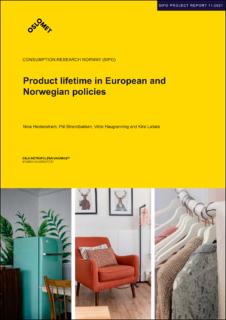
Product lifetime in European and Norwegian policies
Formålet med denne rapporten er å få en bedre forståelse av hvordan produktlevetid har blitt posisjonert i politikken de siste tjue årene. Ved bruk av dokumentanalyse undersøker vi forekomsten og kontekstualiseringen av produktlevetid i EUs sirkulærøkonomipolitikk, norske partiprogrammer og offisielle dokumenter, dokumenter fra norske miljøorganisasjoner, forbrukerorganisasjoners politikk og produktpolitikk. Samlet finner vi at det er lite fokus på produktlevetid mellom 2000-2015, menat det har vært en stor økning i fokus de siste fem årene. Imidlertid er det fremdeles lang vei å gå i arbeidet med å utvikle tiltak som faktisk adresserer produktlevetid.
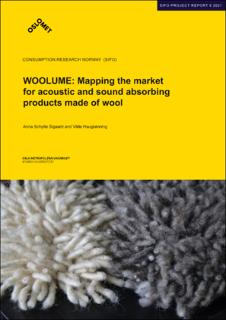
WOOLUME: Mapping the market for acoustic and sound absorbing products made of wool
Denne rapporten er første leveranse fra arbeidspakke 2 i WOOLUME-prosjektet. Hovedmålet med WOOLUME er å
utforske ulike måter å bruke ull fra polske fjellsau for å oppnå bedre utnyttelse av ressurser og økt verdiskaping. Målet
med rapporten har vært å kartlegge markedet for akustiske og lydabsorberende produkter laget av ull for å undersøke
potensialet for å innføre grov ull som materiale.
Durable or cheap? Parents’ acquisition of children’s clothing
Parents are faced with a plurality of choices and concerns when it comes to the acquisition of clothing for their children. This paper explores how parents employ longevity in consumption of children’s clothing from a practice-oriented perspective. The material consists of 6 focus groups with 40 parents who have at least one child under the age of 18. The aim of the groups was to establish children’s clothing needs: how many they need of each garment, how long parents expect the garment to last and what they understand as quality in clothing.
Consumer practices for extending the social lifetimes of sofas and clothing
Consumers play an essential role in efforts to extend product lifetimes (PL) and consumers’ practices can determine how long and active lives products get. Applying the framework of Social Practice Theory, this paper argues that in order to suggest changes to how consumers can contribute to longer product lifespans, research needs to focus on consumer practices. The data material consists of 4 focus group interviews with 38 participants about household goods and 29 semi-structured interviews about clothing.
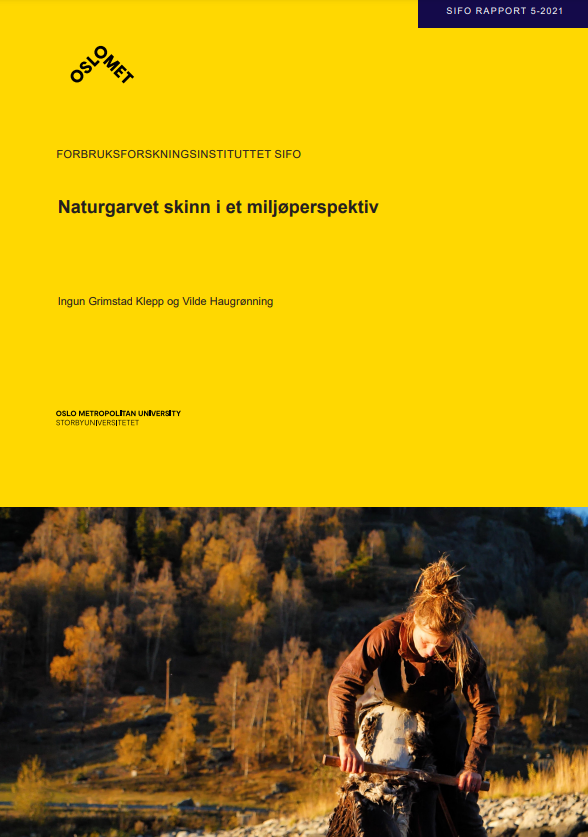
Naturgarvet skinn i et miljøperspektiv
Ingun Grimstad Klepp & Vilde Haugrønning Sammendrag Rapporten tar utgangspunkt i naturgarveriet Jutulskinn (nå ULU) og deres utvikling av en ny kolleksjon i form av friluftslivsklær i skinn og pels. Rapporten er en leveranse i… Naturgarvet skinn i et miljøperspektiv