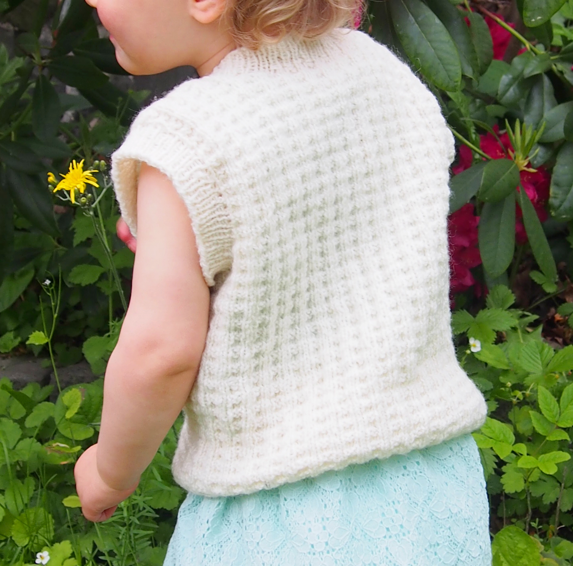
Ull, kløe og eksem
Det sies mye rart om ull og allergi. Her vil vi oppsummere forskningen som finnes på feltet og gi råd på grunnlag av dette. Tekst: Ingun Grimstad Klepp og Kinga Zablocka Det har blitt gjort… Ull, kløe og eksem
Det sies mye rart om ull og allergi. Her vil vi oppsummere forskningen som finnes på feltet og gi råd på grunnlag av dette. Tekst: Ingun Grimstad Klepp og Kinga Zablocka Det har blitt gjort… Ull, kløe og eksem
Klima- og miljøminister Andreas Bjelland Eriksen sa nylig til Aftenposten at det ikke finnes noen ‘quick fix’ på ‘problemet’ Temu og Shein, og de billige varene som renner inn fra Kina. Forfattere: Ingun Grimstad Klepp… Joda, herr statsråd, det finnes ’quick fix’er

Vi sjekker merkelappen med Matoha FabriTell fiberskanner. Forfattere: Anna Schytte Sigaard, Ingun Grimstad Klepp og Tone Skårdal Tobiasson I prosjektet Wasted Textiles har en av utfordringene vært å identifisere hvilke fibre klær faktisk består av,… Stemmer fibermerkingen?
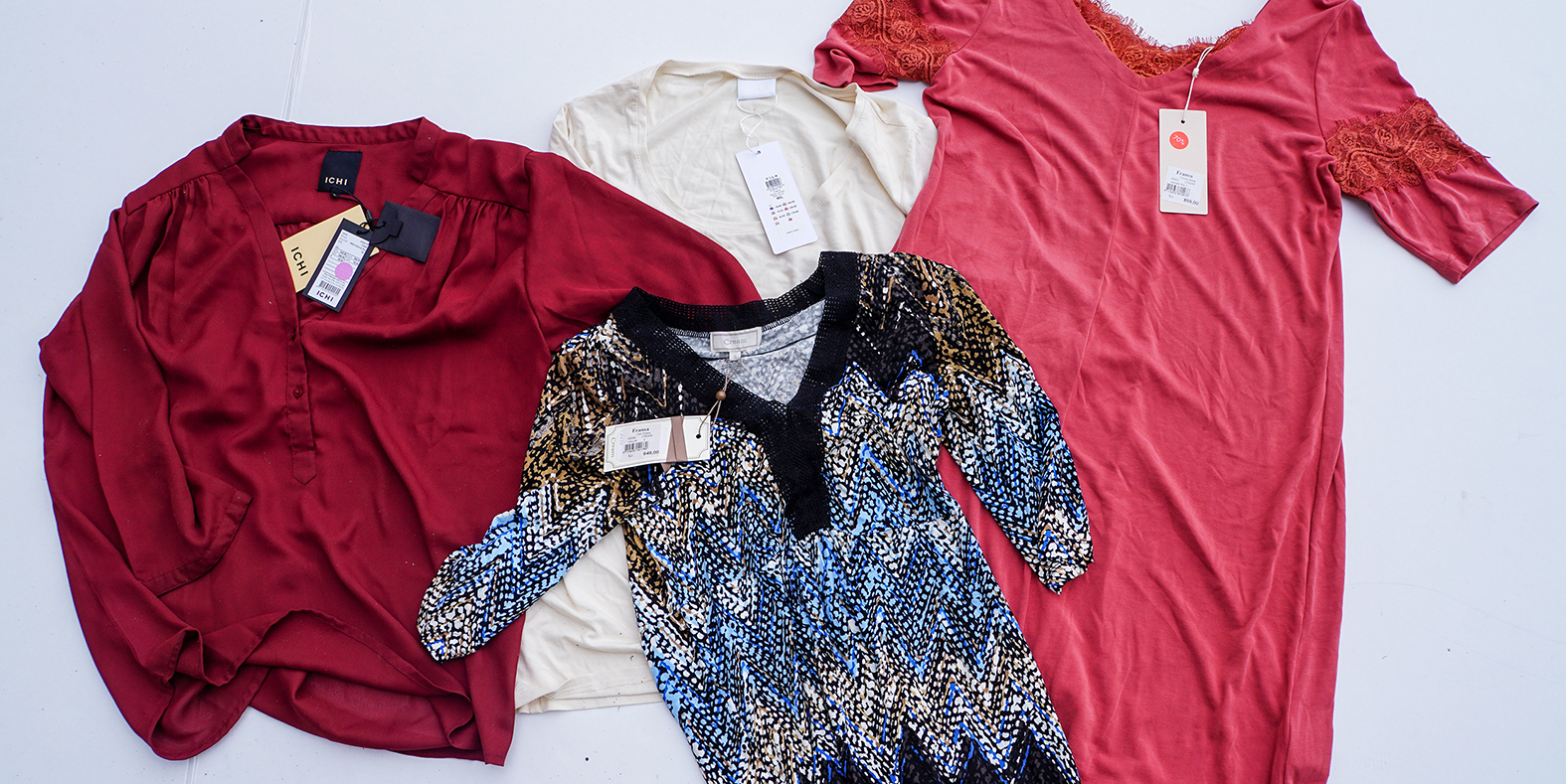
This is a letter sent to commissioners and members of the European Commission in October 2022, from 4 participants in the Wasted Textiles project that explains their suggestions for a way of developing an EPR scheme that addresses volumes. They suggest an Eco-modulation based on volumes in the waste and therefore include the growing online trade.
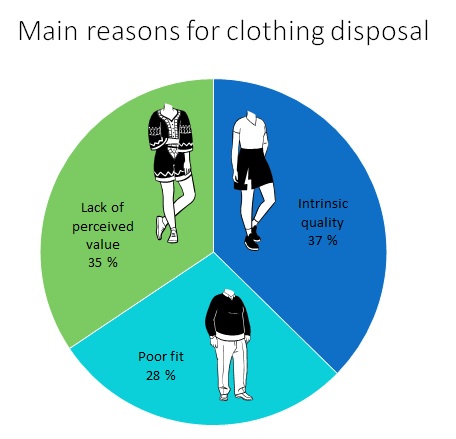
Authors: Kirsi Laitala and Ingun Grimstad Klepp, SIFO Abstract Garment lifetimes and longer serviceable life play important roles in discussions about the sustainability of clothing consumption. A compilation of the research on clothing disposal motivations… Review of clothing disposal reasons
Forfattere: Ingun Grimstad Klepp, Anna Schytte Sigaard, Lisbeth Løvbak Berg og Kristiane Rabben Innen 2025 skal tekstiler ut av restavfallet i Norge, som i resten av EU og EØS-området. Derfor haster det med kunnskap om… Foreløpige resultater fra plukkanalyse av kasserte tekstiler

Det eksisterer en del myter om hvordan ull best kan vaskes. Enkel og riktig klesvask er viktig både for at minst mulig av ullklær ødelegges, og for å belaste klima og miljø minst mulig.
Early one morning in 2008 I was sitting in make-up for a Norwegian television show and felt the trained hands of the make-up smooth out my face with paint. It wasn’t the first time I’d been there. With a population of 5 million there are not many clothing researchers to choose between in Norway, and with plenty of weather and outdoor activities, clothes are important. Questions such as how to dress children for physical activities outdoors are equally relevant every autumn and before every winter vacation and every Easter, when Norwegians go to their cabins, and the ideal is to spend as much time as possible outdoors. I have talked about the choice between wool and synthetic fibres and also about traditional Norwegian knitwear, but this time the subject was somewhat different.
The general editors of Fashion Practice, Sandy Black and Marilyn Delong, would like to thank our guest editors Kate Fletcher and Ingun Grimstad Klepp for their work in developing this Special Issue on Localism and Fashion. With its focus on localism as a movement concerned with generating knowledge for change, we see an emerging concept for fashion. This reaches beyond a more familiar territory, where the notion of localism may be concentrated on marketing a place, country or region through the fiber and garments made there—for example, see the previous special issue “Fashion Made in Italy” (2014, Volume 6 Issue 2). We view this current edition as the beginning of a stimulating debate on the topic of localism.
Dette essayet maner grensene for husarbeidet fram i lyset og Runar Døving og Ingun Grimstad Klepp ser på ulike typer av skam knyttet til det.