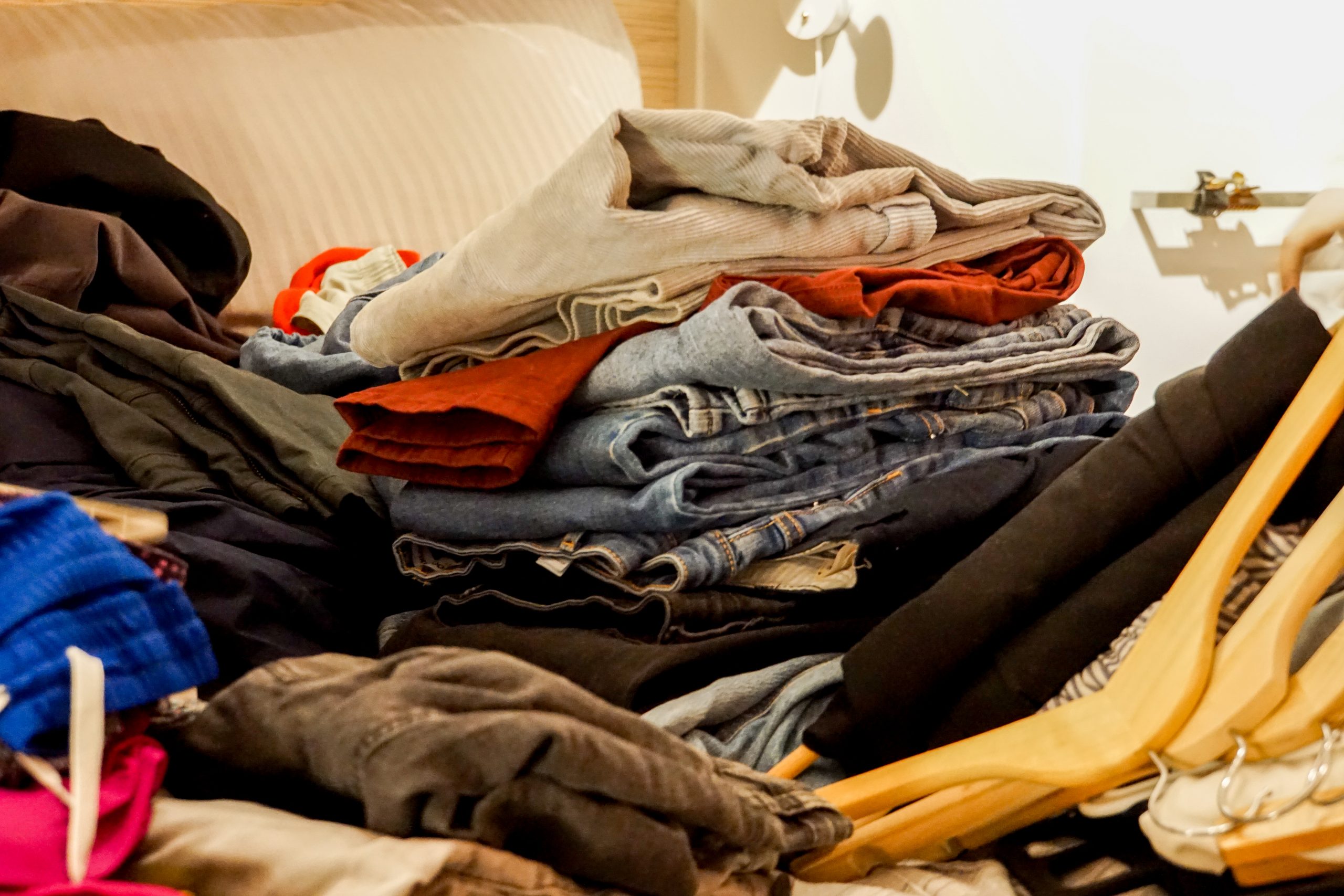
More than enough clothes: a social practice-oriented study of gender and clothing accumulation
Author: Vilde Haugrønning
Author: Vilde Haugrønning
Authors: Hester Vanacker, Andrée-Anne Lemieux, Kirsi Laitala, Michelle Dindi, Sophie Bonnier & Samir Lamouri. Abstract The overproduction of garments, often of low quality, contributes significantly to environmental degradation, especially in the Global South. Therefore, assessing the durability of garments has attracted…
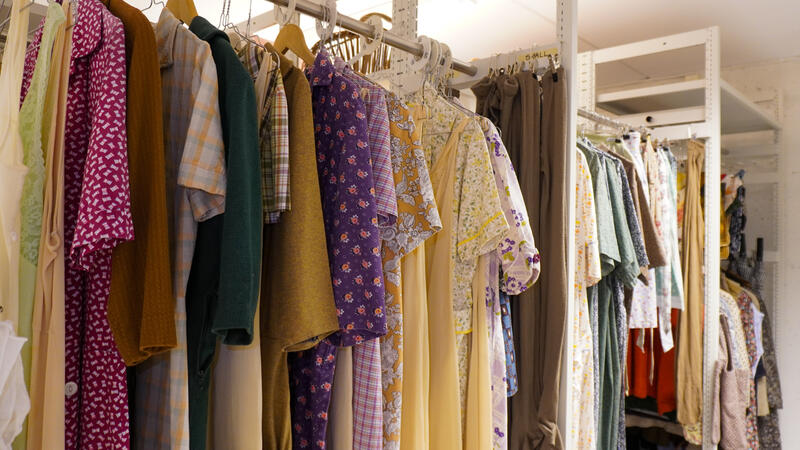
Authors: Vilde Haugrønning, Ingrid Haugsrud Abstract This chapter explores the influence of gender on clothing consumption and the impact on differences in clothing volumes between men and women. Based on a qualitative and quantitative wardrobe…
Forfattere: Ingrid Haugsrud, Ingun Grimstad Klepp and Kirsi Laitala Abstract The impact of the fashion industry on the environment is undoubtedly size-able. In response, the last decade has seen various changes in the fashion industry…
Authors: Vilde Haugrønning and Ingrid Haugsrud
Author: Anna Schytte Sigaard Summary This project note presents preliminary findings from a PhD project looking into textile waste from Norwegian households. 28 households collected textiles that they would have otherwise discarded for a period…
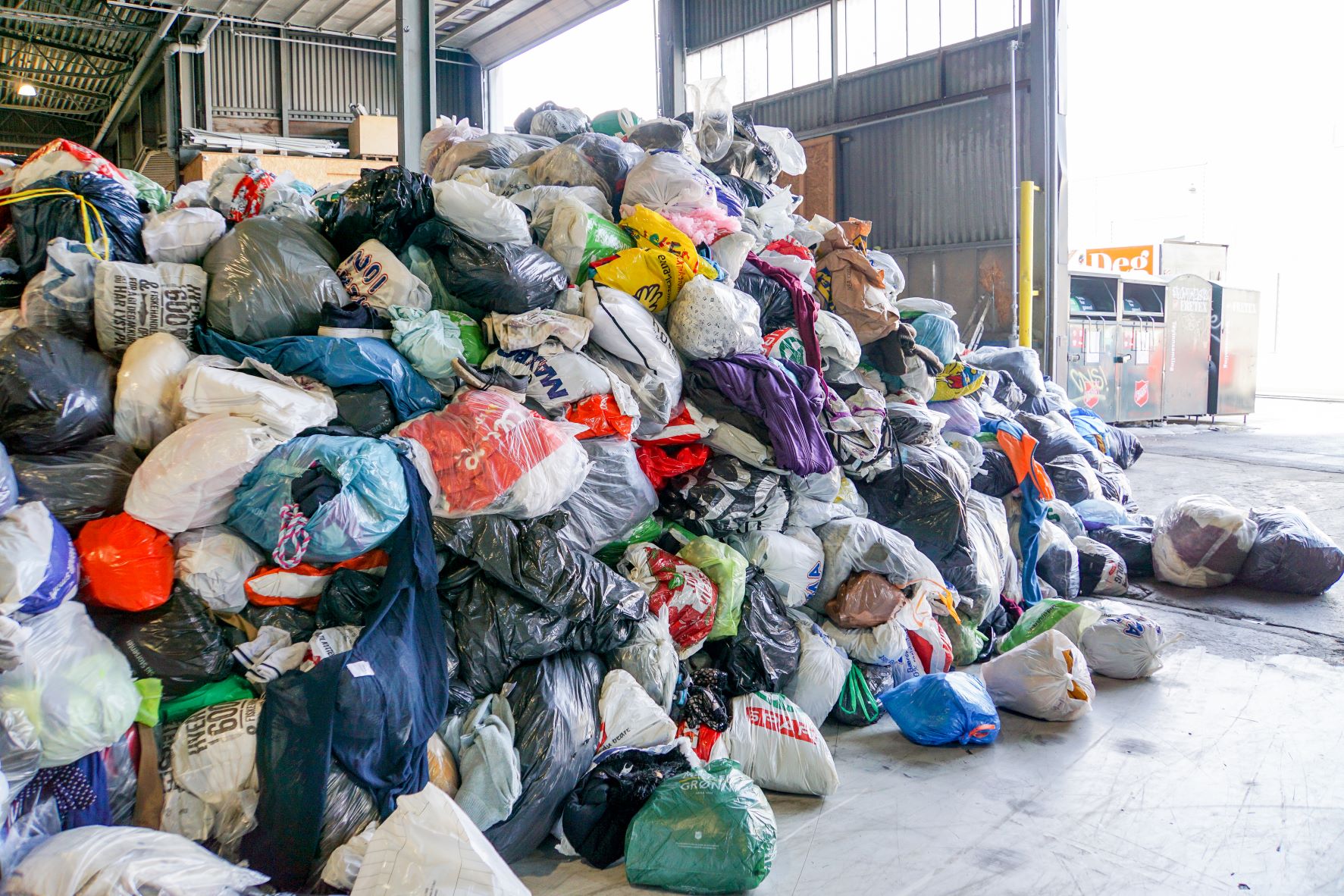
Vi kaster enorme mengder klær, og det meste inneholder polyester og annen plast. Vi trenger mer kunnskap for å kunne oppfylle kravet om tekstilinnsamling innen 2025, mener forskere. Tekst: Kjersti LassenFoto: Lea Gleisberg/Wasted Textiles Etter…

Vi sjekker merkelappen med Matoha FabriTell fiberskanner. Forfattere: Anna Schytte Sigaard, Ingun Grimstad Klepp og Tone Skårdal Tobiasson I prosjektet Wasted Textiles har en av utfordringene vært å identifisere hvilke fibre klær faktisk består av,…
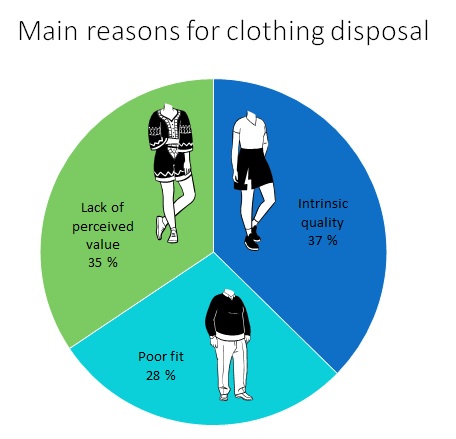
Authors: Kirsi Laitala and Ingun Grimstad Klepp, SIFO Abstract Garment lifetimes and longer serviceable life play important roles in discussions about the sustainability of clothing consumption. A compilation of the research on clothing disposal motivations…

Increasing the length of clothing lifespans is crucial for reducing the total environmental impacts. This article discusses which factors contribute to the length of garment lifespans by studying how long garments are used, how many…