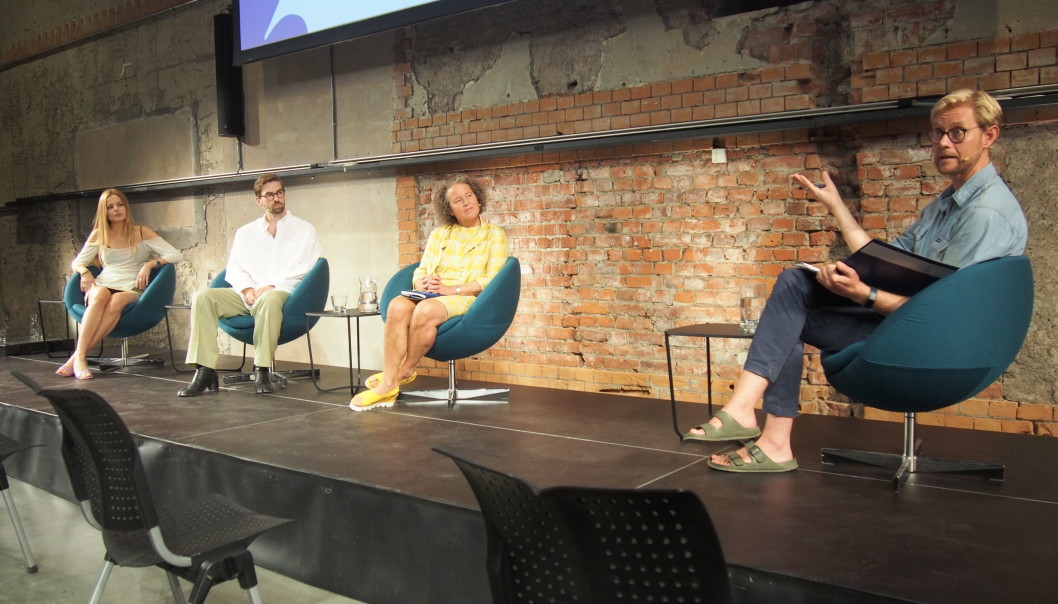
Grønne klær – gjør det sjæl!
Foredrag: Lørdag 18.09.2021 kl. 11:00 – 12:30
Sted: Kommandantgårdens Parolesal, Gamlebyen Fredrikstad
Foredrag: Lørdag 18.09.2021 kl. 11:00 – 12:30
Sted: Kommandantgårdens Parolesal, Gamlebyen Fredrikstad
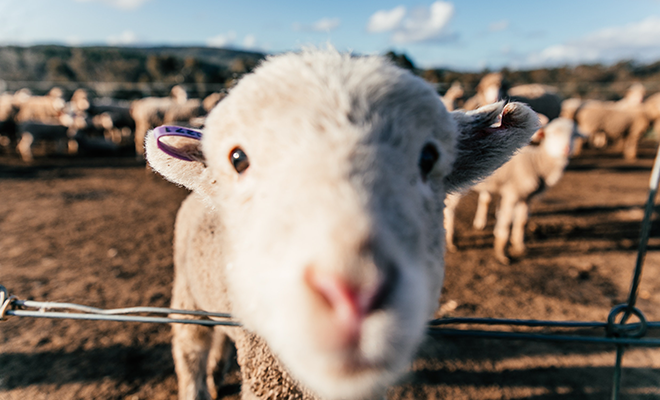
Webinar: 8. September 2021 12:15–1:00 PM
Formålet med denne rapporten er å få en bedre forståelse av hvordan produktlevetid har blitt posisjonert i politikken de siste tjue årene. Ved bruk av dokumentanalyse undersøker vi forekomsten og kontekstualiseringen av produktlevetid i EUs sirkulærøkonomipolitikk, norske partiprogrammer og offisielle dokumenter, dokumenter fra norske miljøorganisasjoner, forbrukerorganisasjoners politikk og produktpolitikk. Samlet finner vi at det er lite fokus på produktlevetid mellom 2000-2015, menat det har vært en stor økning i fokus de siste fem årene. Imidlertid er det fremdeles lang vei å gå i arbeidet med å utvikle tiltak som faktisk adresserer produktlevetid.
Denne rapporten er første leveranse fra arbeidspakke 2 i WOOLUME-prosjektet. Hovedmålet med WOOLUME er å
utforske ulike måter å bruke ull fra polske fjellsau for å oppnå bedre utnyttelse av ressurser og økt verdiskaping. Målet
med rapporten har vært å kartlegge markedet for akustiske og lydabsorberende produkter laget av ull for å undersøke
potensialet for å innføre grov ull som materiale.
Garment production and use generate substantial environmental impacts, and the care and use are key determinants of cradle-to-grave impacts. The present study investigated the potential to reduce environmental impacts by applying best practices for garment care combined with increased garment use. A wool sweater is used as an example because wool garments have particular attributes that favour reduced environmental impacts in the use phase.
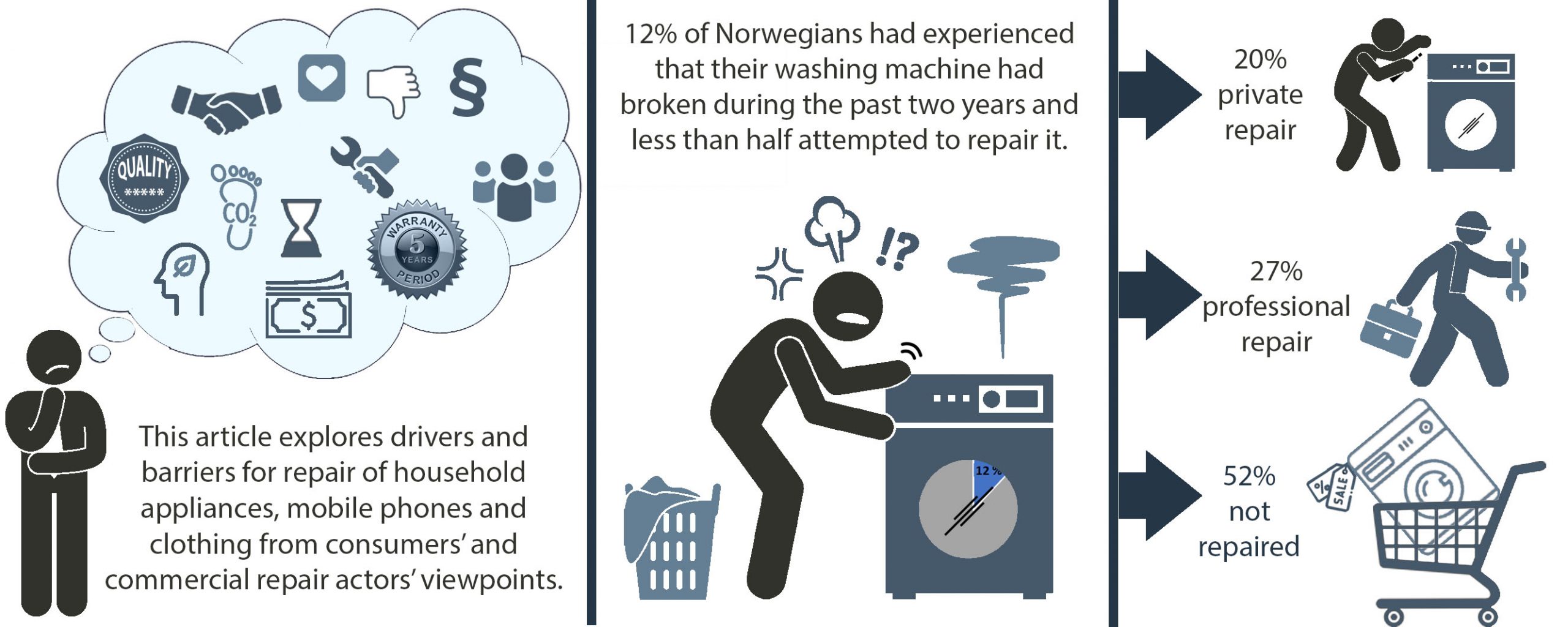
Increasing product lifespans is one of the most effective environmental strategies and therefore repair is a part of the circular economy approach that aims to keep products and materials longer in use. This article explores drivers and barriers for repair from consumers’ and commercial repair actors view-points, in order to understand how the repair rates of household appliances, mobile phones and clothing could be increased.
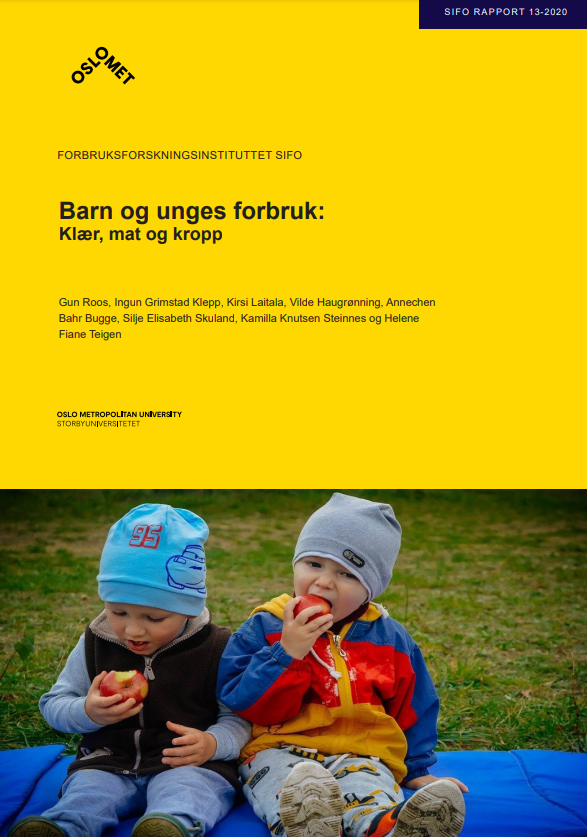
Denne rapporten, som i hovedsak er basert på en spørreundersøkelse om barn, klær, mat og kropp blant foreldre med barn i alderen 1-16 år, beskriver barn og unges forbruk av klær og mat og hvordan de forholder seg til kropp, helse og miljø. Undersøkelsen viser at mange foreldre gir klær til gjenbruk, men en mindre andel sier at deres barn bruker brukte klær. Spesielt klær blant de yngste barna går i arv. Det er vanlig å reparere barneklær selv, men uvanlig å betale andre for det. De færreste foreldre svarer at barna går med halvskitne klær, men helse og miljø fremstår ikke som spesielt viktige for foreldre når det gjelder klesvask. Det er delte meninger om og erfaringer omkring spørsmål om klær, klesnormer, kjønn, kjøpepress og religion. Hovedansvar for barns klær har mødrene eller ansvaret deles likt mellom foreldrene. Barn og unges meninger om klærs betydning for inkludering og erting er delte, det samme gjelder skoleuniform som mulig løsning. De er mer positive til dette tiltaket enn foreldrene. Resultatene viser at det mangler kunnskap om hvordan vi kan kle barn slik at de får en sunn, trygg og god barndom og hvem som har ansvar for at det skjer.

Increasing the length of clothing lifespans is crucial for reducing the total environmental impacts. This article discusses which factors contribute to the length of garment lifespans by studying how long garments are used, how many times they are worn, and by how many users. The analysis is based on quantitative wardrobe survey data from China, Germany, Japan, the UK, and the USA. Variables were divided into four blocks related respectively to the garment, user, garment use, and clothing practices, and used in two hierarchical multiple regressions and two binary logistic regressions.
The models explain between 11% and 43% of the variation in clothing lifespans. The garment use block was most indicative for the number of wears, while garment related properties contribute most to variation in the number of users. For lifespans measured in years, all four aspects were almost equally important. Some aspects that affect the lifespans of clothing cannot be easily changed (e.g., the consumer’s income, nationality, and age) but they can be used to identify where different measures can have the largest benefits. Several of the other conditions that affect lifespans can be changed (e.g., garment price and attitudes towards fashion) through quality management, marketing strategies, information, and improved consumer policies.
The textiles industry is a substantial contributor to environmental impacts through the production, processing, use, and end-of-life of garments. Wool is a high value, natural, and renewable fibre that is used to produce a wide range of garments, from active leisure wear to formal wear, and represents a small segment of the global fashion industry. Woollen garments are produced by long, global value chains extending from the production of ‘greasy’ wool on sheep farms, through processing to garment make-up, retail, consumer use, and end-of-life. To date, there have been limited life cycle assessment (LCA) studies on the environmental impacts of the full supply chain or use phase of garments, with the majority of wool LCA studies focusing on a segment of the supply chain. This study aimed to address this knowledge gap via a cradle-to-grave LCA of a woollen garment.