Presentasjon av foreløpige funn fra Wasted Textiles PhD
14. mars, 2023, kl 10-12.
Athene 1 (auditorium), Pilestredet 46, OsloMet.
14. mars, 2023, kl 10-12.
Athene 1 (auditorium), Pilestredet 46, OsloMet.
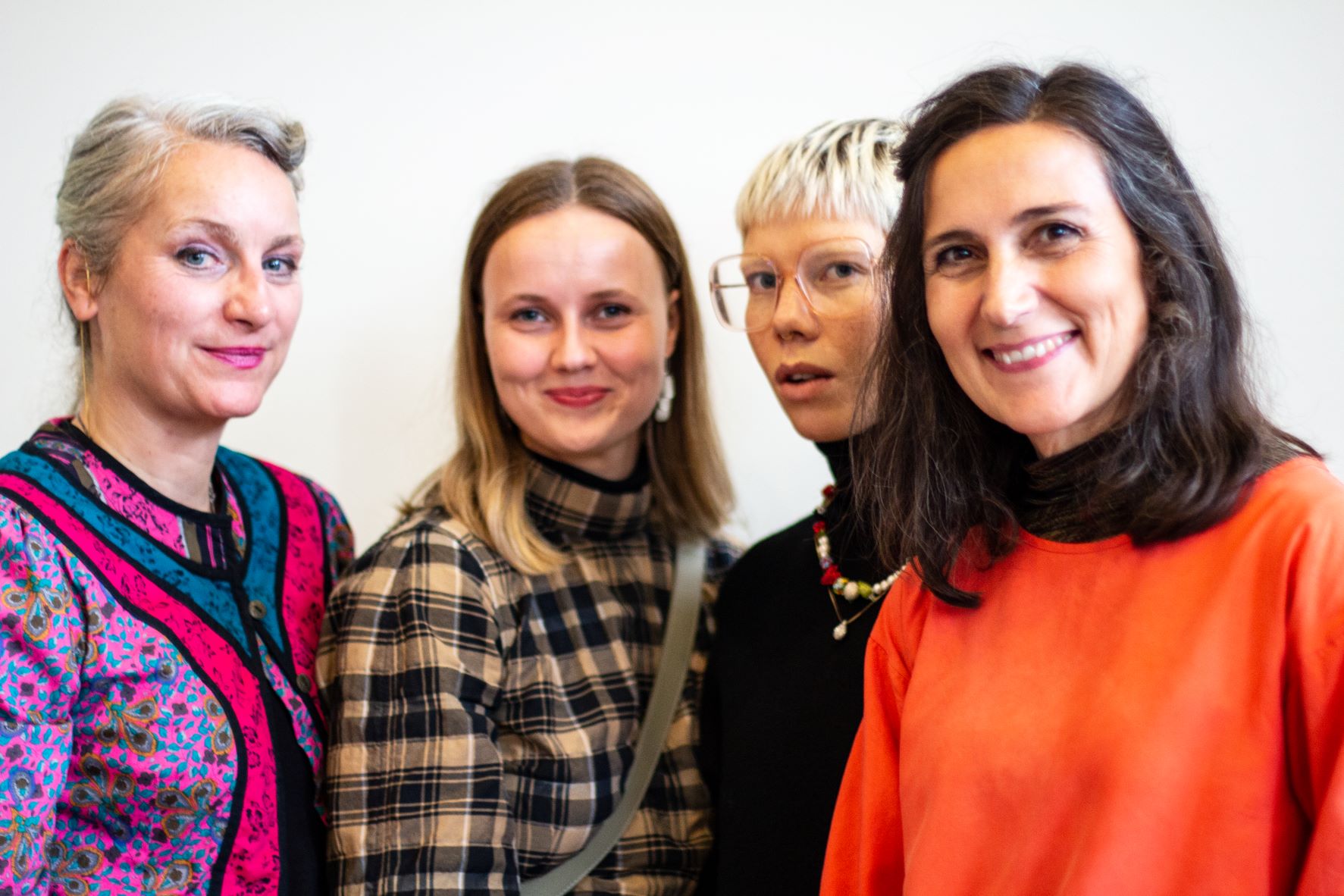
Da CHANGE mesterklasseseminaret fant sted ved Det Kongelige Danske Akademi i København 30. september 2022 var det samme dag duket for nok en interessant anledning. Dette var lanseringen av KLOTHING – Center for Apparel, Textiles… Nytt forsknings-senter i København basert på garderobe-studier
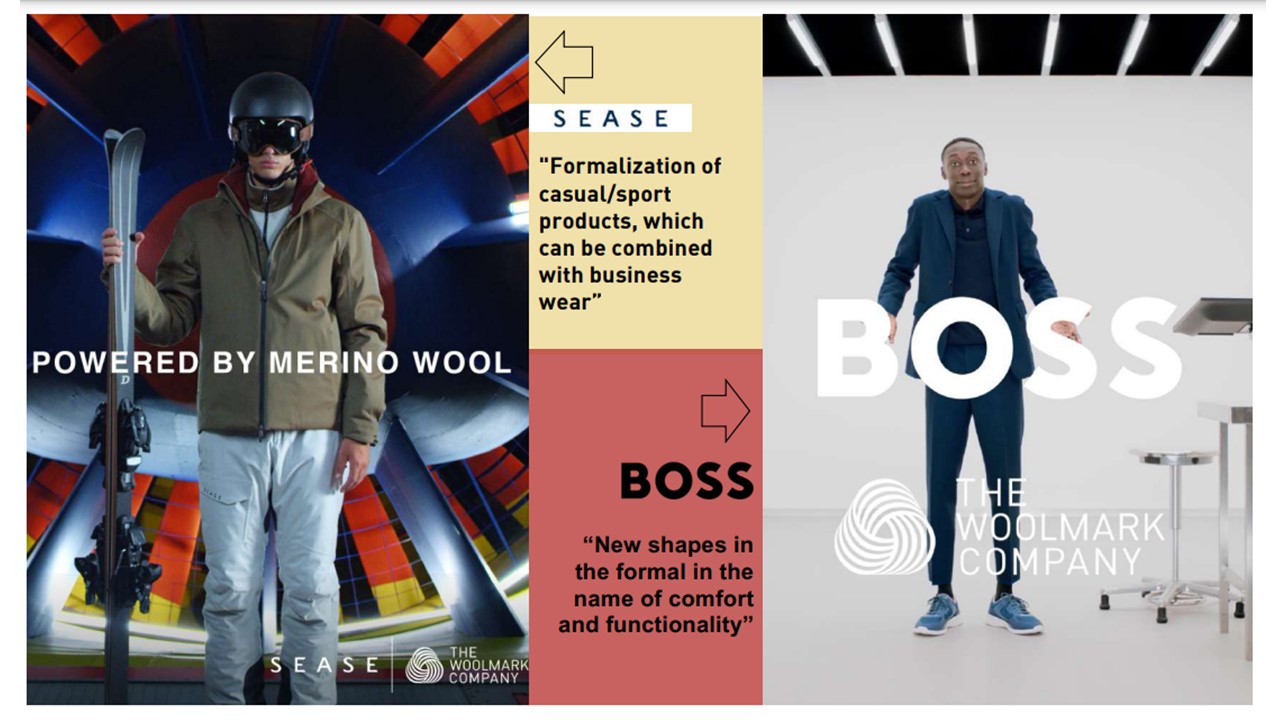
Er uformelt og formelt på vei for å smelte sammen? Dette spørsmålet dukker opp både i forskning og når man ser på forbrukertrender for klær og mote. Som en del av CHANGE-prosjektet er et spor… CHANGE: Anledning i forandring
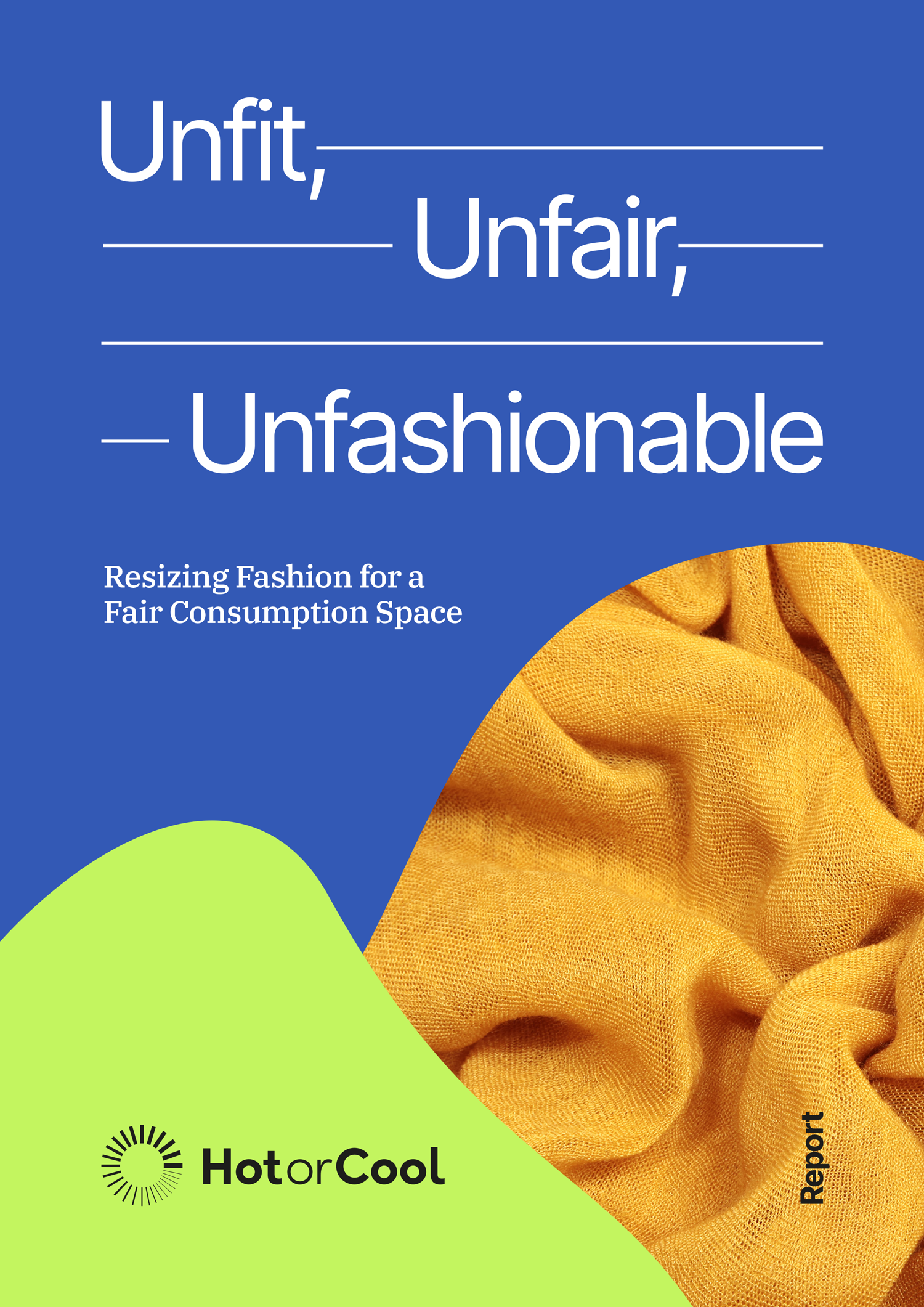
The Clothing Research Group, SIFO at OsloMet, has contributed to the recent Hot or Cool Institute report Unfit, Unfair, Unfashionable: Resizing Fashion for a Fair Consumption Space (download report here). The contribution is in the… Clothing Research contributes to new report on over-consumption
The textile industry is characterized by global mass production and has an immense impact on the environment. One garment can travel around the world through an extensive value chain before reaching its final consumption destination. The consumer receives little information about how the item was produced due to a lack of policy regulation.
Most studies of clothing and related habits are carried out within a country. However, apparel production and sales are a highly globalized industry, with many of the same large chains operating worldwide. It is thus quite possible that the use of the same mass-produced clothing differs between various geographical areas. Based on a practice theoretical approach, we have studied differences in consumption, use and disposal of clothes in different countries that may affect the lifespan of apparel.
The paper is based on an international survey in five countries with large apparel markets: China, Germany, Japan, UK and the USA. 200 respondents from each country answered to a comprehensive web-based survey on their wardrobe content. We found differences in practices that could affect the lifespans of clothing in these five countries. At the same time, we find many similarities. For clothing acquisition, buying new items dominates in all the five markets, and washing machines contribute to the main chore of keeping clothes clean. Home production and second-hand clothes constitute a very small part of clothing consumption in all five countries. Many respondents showed low sewing skills, and repair activities were done irregularly. Thus, many of the challenges to increasing the lifespans of clothing are similar for all the five countries. At the same time, there are significant differences. These differences open up for the possibility to learn «best practice» by studying the countries and transferring knowledge between regions. When defining use phase in LCA and other sustainability tools, it must be taken into account that despite the fact that clothing is a global industry, consumption is part of local practice.
This chapter discusses the relationship between Norwegian schools’ ideals of equality and the way in which school clothes are regulated. Interviews with a teacher in a transitional language learning group for newly arrived immigrant children, as well as with children and parents in immigrant families, are used to discuss whether school clothes inhibit or promote integration. The material shows great willingness of children to dress like the others, as well as understanding that clothing consumption is essential for integration in school, and thus society. At the same time, this is not easily achievable either economically, culturally or practically. Little is done to make Norwegian schools inclusive in this field of consumption.
Reuse organised by non-profit and commercial actors is a strategy that recently received a lot of attention. This article discusses the question: what do we know about the amount of clothes that circulate outside the pecuniary markets? And is this amount increasing or declining? The questions are answered based on quantitative material from Norway. Almost twice as many had received used clothing as those who had bought used clothing, and our material do not indicate that this are declining. At the same time 59 per cent of Norwegian adults had neither received nor bought used clothing for themselves during the past two years. For children, inheritance is very common and the younger the children are, the more they inherit. The amount of the private clothing exchange is greater than the formal market in Norway. Therefore, when the goal is a more sustainable clothing consumption we need to include the parts of consumption that are not only related to money.