
Natural Fibre Connect 2022

Online Grower & Herder Conference – 07-09 September 2022

This year the Wool Connect Conference by the Schneider Group turns into the Natural Fibre Connect Conference.

The conference includes 3 live days filled with expert speakers, recorded talks, and roundtable discussions aimed at tackling the common challenges of the alpaca, cashmere, mohair and wool industries. With each talk and panel, we will aim to highlight the perspective of growers and herders around the world.

Ingun and Tone will speak at this event.

PROGRAM

Wednesday, 7 September 2022 7:00-10:00 UTC & 14:00-17:00 UTC

Welcome to Day 1:Emerging Trends

TALKS: Shifting times

The world seems in constant crisis mode as we receive news about the war in Ukraine, high-energy prices, inflation, the ongoing pandemic, supply chain issues and climate change. In this session, we get an overview of how current events are shaping the industry.

PANEL: Stopping Greenwashing – Product Environmental Footprint (PEF)

In this panel, we get an update from various experts concerning Life Cycle Assessment and the European Union’s Product Environmental Footprint. In particular, we explore the small successes natural fibres have achieved in the fight for data-driven carbon accounting versus synthetic textiles led greenwashing. 

TALKS: The Opportunities of Web 3.0 for the Textile Industry

In this session, we dive into the future of the metaverse, web.3.0 and blockchain technology. We find out how the natural fibre industry can benefit from emerging tech to stay relevant and improve sustainability.

Roundtables open

Thursday, 8 September 2022 7:00-10:00 UTC & 14:00-17:00 UTC


Welcome to Day 2: Challenges

TALKS: The Realities of Animal Welfare – The Challenges Growers and Herders Face

For centuries, growers and herders have had a close, caring and dependent relationship with their animals and nature, often embedded in traditional knowledge. In this session, we dive deep into the expectations on animal welfare, how distinct guidelines may not always be practical and why animals are still well taken care of.

TALKS: Putting Social Welfare on the Agenda – Recognising Natural Fibres as the Engine of Rural Economies

In this panel, we get an update from various experts concerning Life Cycle Assessment and the European Union’s Product Environmental Footprint. In particular, we explore the small successes natural fibres have achieved in the fight for data-driven carbon accounting versus synthetic textiles led greenwashing.

How to Unlock Regenerative Agriculture for Arid Regions

In this session, we dive into the future of the metaverse, web.3.0 and blockchain technology. We find out how the natural fibre industry can benefit from emerging tech to stay relevant and improve sustainability.Regenerative Agriculture continues to be of high interest to the fashion textile supply chain. However, the devil sits in the details, as not all regenerative practices are the right fit for all regions. In this session, panelists will discuss what options arid regions have and how we can create a common language and definitions to progress and benefit together.

Roundtables open

Friday, 9 September 2022 7:00-10:00 UTC & 14:00-17:00 UTC


Welcome to Day 3: Innovations

TALK: How Traceability is Reshaping the Industry

This session explores how transparency is transforming business through the use of technology, directly connecting all actors of the supply chain and simplifying certifications.

PANEL: How Green Finance can Support Growers

If the future is more green, finance will be too. This session looks at how the finance sector is reacting to climate change by allocating relevant funds to build a sustainable future. The panellists of this session will share how they are rethinking finance and what green investment opportunities lie ahead for growers and herders. 

TALK: Hearing Directly from Growers & Herders

Hear a recap of the in-person grower and herder meetings that have taken place this week and what growers had to say about the main talks of this conference. What are the main challenges they are facing, how do they view market trends and what innovations are taking place at grower level. Each fibre will have a closing message of what we want to achieve in the future by taking action.

Roundtables open

Click here for more information and registration (gschneider.com).

Reise til Polen

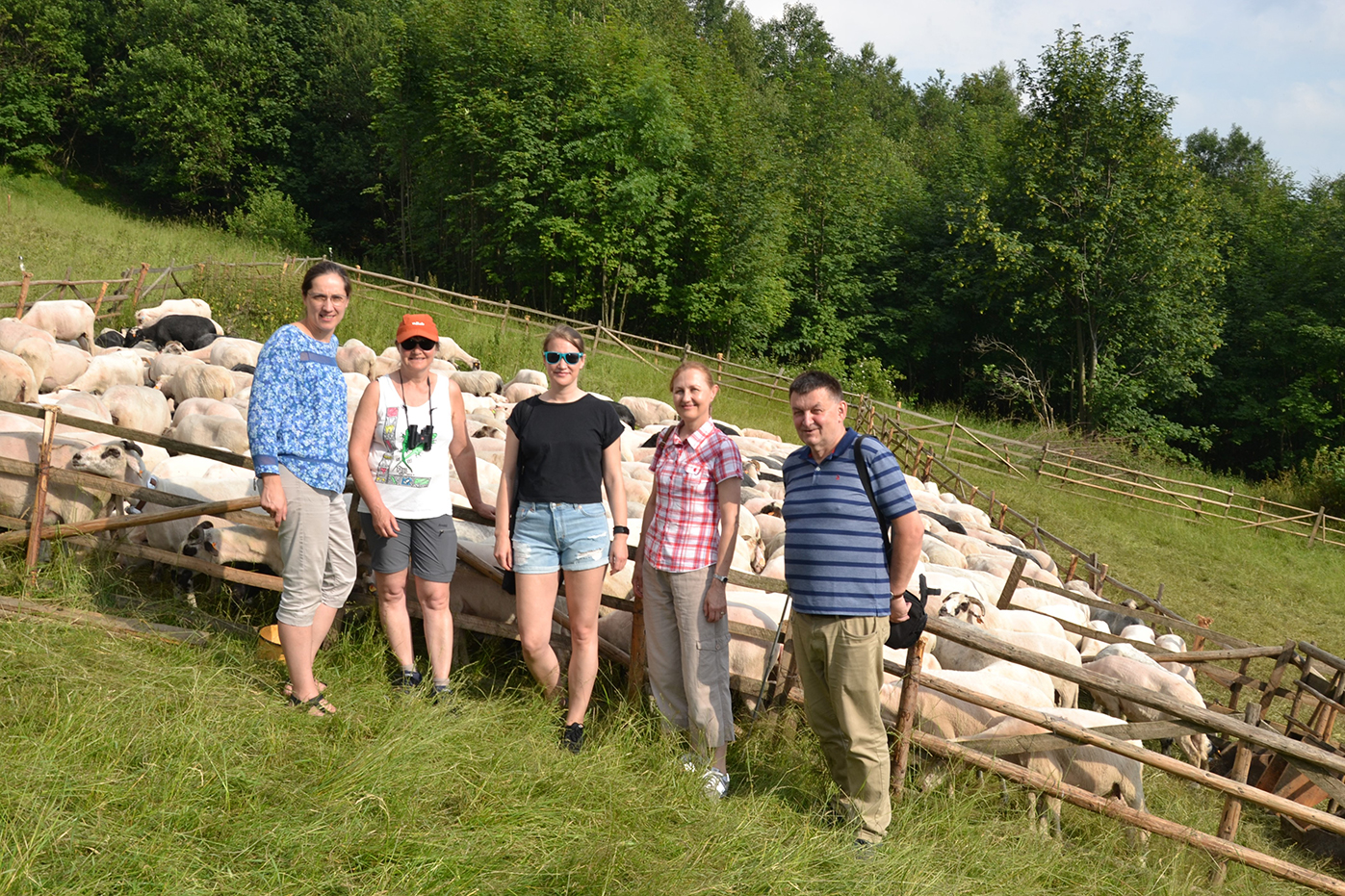
Ingvild og Lisbeth besøkte Polen siste uka i juni. Målet for turen var formidlign av kunnskap og i løpet av den holdt de tre workshopper/seminarer.

Ved Universitetet i Bielsko-Biala deltok lærere og pedagogikkstudenter på en workshop om å undervise om ull til barn, med vekt på det kreative og også det kulturelle potensialet i å lære om og bruke ull. Gjennom en kortforelesning ble de introdusert til hvordan forskjellige aktører i Norge arbeider med ull og barn, og de arbeidet praktisk med toving, karding og håndspinning.

På universitet hold de også seminaret “How can wool replace plastic?”, som diskuterte fordeler og hindringer i forhold til dette, basert på SIFOs rapporter om ullprodukter publisert i fjor. Selbu Spinneri bole brukt som et eksempel for å vise hvordan lokal ull kommer inn i bildet i denne konteksten og understreke ullens fordeler i forhold til plast i å bevare kulturarv, skape en sirkulær (bio)økonomi og nedvekst.

Toving med lærere og lærerstudenter.

Den siste workshopped handled om ullsortering og ble ledet av Ingvild i Marias lokaler i Koniakow. Her deltok 20 personer, både sauebønder og andre lokale folk og akademikere. Sorteringen viste et story spenn i ullkvaliteten, fra tynne lange fibre til grøvre fibre, men også at gjennom sortering vil mulighetene for å lage forskjellige produkter av ulla øke, inkludert mykere garn til sokker og ullgensere.


I tillegg besøkte de lokale museer i og rundt Koniakow og så melking av sauene, og fikk gjennom dette større insikt i det kulturarven som gjetertradisjonen er med på å holder i live i det Polske høylandet. (For ikke å snakke om all den deilige osten som blir laget av melka!)

LINDAG på Åker gård ved Hamar – foredrag med Ingun

Søndag 21. august 2022, fra kl. 11.00

Åker gård, Stasjonsvegen 15, 2322 Ridabu (ved Hamar)

Program:

Kl. 11.00 – åpent i Linforeningens lokaler i Drengestua.

Kl. 11.00 -13.00 – Høsting/rykking av lin ved stabburene. 

Kl. 11.00 -13.00 – Beredning av lin utenfor Drengestua. Vi skal repe, bråke, skake og hekle linet.

Kl. 12.00 – Omvisning i det nye formidlingssenteret til faggruppa på Åker. Lær om botanikken, historien, dyrking, spinning og veving av lin. Og litt om mytene som har fulgt denne spennende planten gjennom århundrene.

Kl. 14.00 – Foredrag i det store teltet. Professor i etnologi Ingun Grimstad Klepp forteller om produksjon av fiber:

Hvor kommer klærne fra – og hva er de laget av? Kvaliteter og miljøproblemer i den globale fiberproduksjonen.

«Ingun er utdannet etnolog, men har også utdanning i søm, vev og tekstilkjemi. Siden 1999 har hun arbeidet med forbruksforsking om klær og tekstiler på SIFO og har stått sentralt i å bygge opp dette fagmiljøet gjennom å utvikle metoder, prosjekter, kunnskap og debatt rundt klærnes plass i vårt samfunn og i den enkeltes liv. Dette arbeidet omfatter klesvaner, vaskevaner, levetid, utvikling av produkter og verdikjeder.  Ingun er aktiv i formidling av kunnskap om klær og andre tekstiler i media, utstillinger, debatter og gjennom bøker for allmenheten og artikler for Store norske leksikon. Ingun har mottatt Norges forskningsråds formidlingspris for dette arbeidet.»

Les mer: https://uni.oslomet.no/klesforskning/om-oss/

Dette spennende foredraget koster 100 kroner. Påmelding og innbetaling til Linforeningens konto 1503.10.55900, merk innbetalingen med «Foredrag» – og gjerne navnet på den som kommer om du betaler for en annen. Det blir også mulig å betale kontant eller med VIPS ved inngangen. Velkommen!

Status for nordmenns gjenbruk: Presentasjon av ny rapport

Arrangement av FINN under Arendalsuka, 17.08.2022, kl.16:00 – 17:00, Clarion Hotel Tyholmen

Om arrangementet

– Bruktrådet

Hva skal egentlig til for å heve kvaliteten i bruktmarkedet? Hvorfor er kvinner bedre enn menn på gjenbruk? Og hvorfor er det mva på salg av brukte klær? Hvorfor stinker det så ofte i bruktbutikker, og hvorfor er det så pes å kjøpe brukt? Dette er noen av spørsmålene vi lufter når FINN inviterer til både bruktråd og klesmarked.

Programleder er Siri Kristiansen.
I panelet finner vi
* Torbjørn Røe Isaksen, samfunnsredaktør
* Professor Ingun Grimstad Klepp, SIFO – ekspert på klær og forbruk 
* Kristin Gjelsvik, influenser og tidligere klesdesigner
* Jo Egil Tobiassen, gründer av Northern Playground, et norsk sportsklesmerke med sterk bærekraftsprofil

– Presentasjon av Bruktmarkedsrapporten ved produktdirektør i FINN og bruktmarkedsekspert, Kathrine Opshaug Bakke.

Klikk her for å lese mer om arrangementet (arendalsuka.no)

Hvor bærekraftig er nå egentlig bunaden?

Paneldebatt under Arendalsuka, 17.08.2022, kl. 14:30 – 15:30, No9 CC Café

Arrangert av Studieforbundet kultur og tradisjon, Noregs Ungdomslag, Norges Husflidslag, Norsk Folkedraktforum og Instituttet for Bunad og Folkedrakt.

Om arrangementet

Bunaden står i fare for å havne på lista over miljø-uvennlige plagg. Hvorfor i all verden gjør den det?
Er den tradisjonelle bunaden virkelig klimaskadelig og skal den på alvor erstattes med en bunads-kopi av polyester, laget av resirkulerte plastflasker?
Hvordan er veien fram til en slik konklusjon, og er en slik konklusjon riktig?
Innen utgangen av 2022 vil EU at alle produkter som selges i Europa, skal merkes med sitt miljøavtrykk som en del av det «grønne skiftet». Dette kan bety slutten for den norske bunaden. Vi kjører paneldebatt på Arendalsuka med regionkonsulent Vofo Innlandet, Andres Lopez A, som debattleder, inviterte politikere, Siv Elin Ånestad fra Fremtiden i våre hender, Jon Tølløfsrud Ulberg fra Husfliden Lillehammer og Ingun Grimstad Klepp som hovedinnleder. Grimstad Klepp er etnolog og ansatt som professor i klær og bærekraft ved Forbruksforskningsinstituttet SIFO. Hun har særlig forsket på forbruk av klær og tekstiler, husarbeid og fritid; nå er klær og bærekraft blitt et stort og viktig tema.

Arrangementet gjennomføres med støtte fra Sparebankstiftelsen.

Klikk her for å lese mer om arrangementet (arendalsuka.no).

Ultrafast and Global vs Slow and Local: Kampen om klesundistriens fremtid

Arrangert av NF&TA under Arendalsuka, 16.08.2022, kl. 13:00-17:00 hos Randi Lauvdal blomster.

Om arrangementet

De siste årene har kinesiske selskaper introdusert ultrafast fashion. Drevet av et designtempo på opptil 1000 nye plagg hver dag, AI-drevet markedsføring og ekstremt lave priser har selskaper som Shein tatt ledende globale posisjoner med produkter som går i stykker etter få gangers bruk.

I Europa går utviklingen i motsatt retning. EU setter bærekraft i høysetet og med sin nye tekstilstrategi stiller de radikale krav til produsentansvar, kvalitet, ombruk og sirkulære forretningsmodeller.

Kampen om motebransjens fremtid står mellom Kina og Europa – mellom destruktivt overforbruk og bærekraftig utvikling. Det er «Ultrafast and Global» vs «Slow and Local». EU har lagt lista høyt – nå er det opp til Norge å levere.

NF&TA (Norwegian Textile & Fashion Agenda) har startet arbeidet med å utvikle veikart til en bærekraftig norsk tekstilindustri. Nå inviterer vi politikere og næring til et åpent møte i Arendal for å dele innsikt, diskutere problemer, avklare misforståelser og bli inspirert av nye løsninger.

Arrangementet blir delt inn i flere deler, og det legges opp til både innlegg, debatt og rundebordsmøter hvor vi involverer tilhørerne.

Les mer om arrangement her (arendalsuka.no)

Sirkulære skatter: Tekstiler inn i en sirkulær økonomi

Politisk debatt arrangert av Samfunnsbedriftene, Arendalsuka, 16.08.2022, kl. 10:00-10:50 i Kirkekjelleren.
Alle kan gjøre noe for at tekstiler skal belaste klima og miljø mindre. Designere, produsenter, varehandelen, gjenvinningsindustrien og forbruker.

Hva kan Stortinget gjøre for at tekstilene varer lenge og kan gjenvinnes?

Bransjestemmer fra hele verdikjeden forteller Stortinget hva som hindrer oss i bedre utnyttelse av tekstilene. Politikerne svarer på hva de skal gjøre for å sikre bedre produksjon, mer ombruk, bedre vilkår for nye forretningsmodeller og reparasjoner.

Vi hører fra Regnskap Norge, Fretex, OsloMet, NF&TA og Samfunnsbedriftene.

Ingun Grumstad Klepp bidrar med forbrukerperskeptivet.

Arrangementet er åpent for alle.

Les mer om arrangementet her (arendalsuka.no)

Nytt white paper peker på fallgruver ved PEF

Ny rapport som Ingun og Kirsi har bidratt til peker på viktige fallgruver ved EUs PEF-metodologi hvor den ikke er i samsvar med EUs miljøpolitikk ellers og som kan gi katastrofale konsekvenser for miljøet. Her er de viktigste funnene:

Key whitepaper findings:

  • Issue #1: The PEF system does not currently take into account microplastics
    • Omitting microplastics as an indicator effectively assigns zero impacts to this form of emissions, which risks unintentionally guiding consumers towards plastic products and fibres.
    • Therefore, the system does not align with the CEAP, The Strategy for Plastics in a Circular Economy, the Strategy for Sustainable and Circular Textiles or the EU Strategy for Textiles Roadmap
    • The white paper proposes an ‘inventory-level’ indicator – this is a simple summation of modelled microplastic emissions across the life cycle
  • Issue #2: The PEF system does not currently include plastic waste
    • The increase in consumption of synthetic fibres has been accompanied by an increase in the mass of plastic waste originating from the textile supply chain
    • The absence of plastic waste in the PEF methodology therefore has the potential to contribute to an inequitable comparison of natural and synthetic fibres
    • Therefore, the system does not align with the CEAP or the Packaging Directive
    • The white paper recommends the PEF system should include plastic waste as an indicator
  • Issue #3: The PEF system does not currently take into account renewability or biodegradability
    • The current methodology does not take into consideration the renewability or biodegradability of fibres. This means that synthetic fibres, which are made from non-renewable resources and disposed of in landfill, may be scored as more sustainable than natural or recycled fibres
    • Therefore, the system does not align with the CEAP or the Bioeconomy Strategy
    • The whitepaper proposes introducing circularity indicators such as the Material Circularity Indicator (MCI) into PEF

Klikk her for å lese hele rapporten (makethelabelcount.org).

DELIVERING EU ENVIRONMENTAL POLICY THROUGH FAIR COMPARISONS OF NATURAL AND SYNTHETIC FIBRE TEXTILES IN PEF

Make the Label Count Campaign: Simon J. Clarke, Ingun G. Klepp, Kirsi Laitala and Stephen G. Wiedemann.

Summary

Sustainability has become a priority objective for the European Union (EU). It is a key driver for policy development through the global leadership role the EU has taken in addressing climate change, decoupling economic growth from resource use, and the sustainable use of
resources. The global supply of textiles has been recognized by the EU as a major source of emissions and resource use; the sector has become increasingly reliant on fossil feedstocks to supply synthetic fibres, and the textile industry has been roundly criticised for unsustainable and non-circular consumption patterns.


The Product Environmental Footprint (PEF) system – which assesses a product’s environmental impact and provides consumers with information on that impact – has the potential to be paramount in directing the textile sector towards a sustainable system of production and consumption. However, the PEF system has not been designed to deliver the EU’s strategies and, without amendment, its application to the textiles sector risks undermining the EU’s laudable intent. The PEF system is designed to facilitate like-with-like comparisons, but assessment of textiles made from natural and synthetic fibres are not yet comparable because the impacts of forming natural fibres are fully accounted for, but omitted for fossil fuels. The single biggest sustainability issue for the textile industry is the growth in synthetic fibre production and the causally related rise in fast fashion. A PEF-derived comparison will not challenge the over-consumption of resources, and risks legitimising unsustainable consumption with an EU-backed green claim.


These limitations present a significant challenge to the delivery of both EU strategy and the PEF goal of providing fair comparisons of products based on their environmental credentials.


In combination, the characteristics of the textiles category, together with the limitations of PEF methodology, provide a strong argument for not comparing textiles made from renewable and non-renewable raw materials. However, achieving the EU Green Deal and circular economy objectives mandates a pragmatic approach; hence our analysis recommends methodological improvements to deliver EU environmental policy through fair comparisons of natural and synthetic fibre textiles in PEF. Addressing these limitations now will avoid
the same problems arising when PEF is applied to other product categories that compare renewable and non-renewable raw materials, such as furniture and fuel.

Click here to read the full report (makethelabelcount.org).

Local as a fashion change-maker

Hybrid event, 8th June 2022, 17:30-19:30 CET
Online and at Sentralen, Oslo

How can we bring the local alternatives to the forefront of the sustainability debate and in policy?

We have important decisions ahead to ensure a just transition to more sustainable ways of living. The new book “Local, slow and sustainable fashion: wool as a fabric for change” from the clothing research group at Consumption Research Norway SIFO, uses “wool as a lens through which to see important aspects of the contemporary world: corporate capitalism, consumerism, standardisation and their opposites: localised crafts and practices, quality of life, sustainability” (Professor Thomas Hylland Eriksen).

The clothing research group’s (world-renowned) wool research sits within the institute’s important research areas of local consumption and sustainability.

Click here for more information about the book: Local, Slow and Sustainable Fashion | SpringerLink

Program

Doors open at 17:00 CET

17:30: Welcome by Eivind Jacobsen, Institute Director at SIFO

17:35: The editors, Prof. Ingun Grimstad Klepp and Tone Skårdal Tobiasson introduce the book and the authors

17:40: Perspectives from authors and readers of the book, led by the editors:

Prof. Kate Fletcher, Centre for Sustainable Fashion, London College of Fashion, UK
Rebecca Burgess, M.Ed.,Executive Director of Fibershed, California
Gunnar Vittersø, Senior researcher at SIFO and the Amazing Grazing Project
Dr. Lorrie Miller, University of British Colombia, Canada
Elisabeth Stray Pedersen, Designer and owner, ESP
Maria Ehrnström-Fuentes, Associate Professor, Hanken School of Economics, Finland
Dr. Tone Smith, Member of Advisory board, Rethinking Economics Norway; Editor, Degrowth Norway
Gisle Mariani Mardal, Head of development, Norwegian Fashion & Textile Agenda, Oslo, Norway

18:55- 19:30: Streaming ends – in-person discussions and mingling

Click here to watch the event recording (facebook.com)